
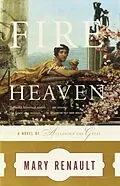
Fire from Heaven
Beschreibung
Zusatztext Written with her usual vigor and imagination...Mary Renault has a great talent. The New York Times Book Review Informationen zum Autor Mary Renault was born in London and educated at Oxford. She then trained for three years as a nurse, and wrote her...Format auswählen
- Poche format BCHF 23.10

Wird oft zusammen gekauft
Andere Kunden kauften auch
Beschreibung
Zusatztext Written with her usual vigor and imagination...Mary Renault has a great talent. The New York Times Book Review Informationen zum Autor Mary Renault was born in London and educated at Oxford. She then trained for three years as a nurse, and wrote her first published novel, Promise of Love . Her next three novels were written while serving in WWII. After the war, she settled in South Africa and traveled considerably in Africa and Greece. It was at this time that she began writing her brilliant historical reconstructions of ancient Greece, including The King Must Die, The Last of the Wine , and The Persian Boy . She died in Cape Town in 1983. Klappentext Alexander's beauty, strength, and defiance were apparent from birth, but his boyhood honed those gifts into the makings of a king. His mother, Olympias, and his father, King Philip of Macedon, fought each other for their son's loyalty, teaching Alexander politics and vengeance from the cradle. His love for the youth Hephaistion taught him trust, while Aristotle's tutoring provoked his mind and Homer's Iliad fueled his aspirations. Killing his first man in battle at the age of twelve, he became regent at sixteen and commander of Macedon's cavalry at eighteen, so that by the time his father was murdered, Alexander's skills had grown to match his fiery ambition.1 THE CHILD was wakened by the knotting of the snake's coils about his waist. For a moment he was frightened; it had squeezed his breathing, and given him a bad dream. But as soon as he was awake, he knew what it was, and pushed his two hands inside the coil. It shifted; the strong band under his back bunched tightly, then grew thin. The head slid up his shoulder along his neck, and he felt close to his ear the flickering tongue. The old-fashioned nursery lamp, painted with boys bowling hoops and watching cockfights, burned low on its stand. The dusk had died in which he had fallen asleep; only a cold sharp moonlight struck down through the tall window, patching the yellow marble floor with blue. He pushed down his blanket to see the snake, and make sure it was the right one. His mother had told him that the patterned ones, with backs like woven border-work, must always be let alone. But all was well; it was the pale brown one with the grey belly, smooth as polished enamel. When he turned four, nearly a year ago, he had been given a boy's bed five feet long; but the legs were short in case he fell, and the snake had not had far to climb. Everyone else in the room was fast asleep; his sister Kleopatra in her cradle beside the Spartan nurse; nearer, in a better bed of carved pearwood, his own nurse Hellanike. It must be the middle of the night; but he could still hear the men in Hall, singing together. The sound was loud and discordant, slurring the ends of the lines. He had learned already to understand the cause. The snake was a secret, his alone in the night. Even Lanike, so near by, had not discerned their silent greetings. She was safely snoring. He had been slapped for likening the sound to a mason's saw. Lanike was not a common nurse, but a lady of the royal kindred, who reminded him twice a day that she would not be doing this for anyone less than his father's son. The snores, the distant singing, were sounds of solitude. The only waking presences were himself and the snake, and the sentry pacing the passage, the click of his armor buckles just heard as he passed the door. The child turned on his side, stroking the snake, feeling its polished strength slide through his fingers over his naked skin. It had laid its flat head upon his heart, as if to listen. It had been cold at first, which had helped to wake him. Now it was taking warmth from him, and growing lazy. It was going to sleep, and might stay till morning. What would Lanike say when she found it? He stifled his laughter, l...
Autorentext
Mary Renault was born in London and educated at Oxford. She then trained for three years as a nurse, and wrote her first published novel, Promise of Love. Her next three novels were written while serving in WWII. After the war, she settled in South Africa and traveled considerably in Africa and Greece. It was at this time that she began writing her brilliant historical reconstructions of ancient Greece, including The King Must Die, The Last of the Wine, and The Persian Boy. She died in Cape Town in 1983.
Klappentext
Alexander's beauty, strength, and defiance were apparent from birth, but his boyhood honed those gifts into the makings of a king. His mother, Olympias, and his father, King Philip of Macedon, fought each other for their son's loyalty, teaching Alexander politics and vengeance from the cradle. His love for the youth Hephaistion taught him trust, while Aristotle's tutoring provoked his mind and Homer's Iliad fueled his aspirations. Killing his first man in battle at the age of twelve, he became regent at sixteen and commander of Macedon's cavalry at eighteen, so that by the time his father was murdered, Alexander's skills had grown to match his fiery ambition.
Leseprobe
1
THE CHILD was wakened by the knotting of the snake's coils about his waist. For a moment he was frightened; it had squeezed his breathing, and given him a bad dream. But as soon as he was awake, he knew what it was, and pushed his two hands inside the coil. It shifted; the strong band under his back bunched tightly, then grew thin. The head slid up his shoulder along his neck, and he felt close to his ear the flickering tongue.
The old-fashioned nursery lamp, painted with boys bowling hoops and watching cockfights, burned low on its stand. The dusk had died in which he had fallen asleep; only a cold sharp moonlight struck down through the tall window, patching the yellow marble floor with blue. He pushed down his blanket to see the snake, and make sure it was the right one. His mother had told him that the patterned ones, with backs like woven border-work, must always be let alone. But all was well; it was the pale brown one with the grey belly, smooth as polished enamel.
When he turned four, nearly a year ago, he had been given a boy's bed five feet long; but the legs were short in case he fell, and the snake had not had far to climb. Everyone else in the room was fast asleep; his sister Kleopatra in her cradle beside the Spartan nurse; nearer, in a better bed of carved pearwood, his own nurse Hellanike. It must be the middle of the night; but he could still hear the men in Hall, singing together. The sound was loud and discordant, slurring the ends of the lines. He had learned already to understand the cause.
The snake was a secret, his alone in the night. Even Lanike, so near by, had not discerned their silent greetings. She was safely snoring. He had been slapped for likening the sound to a mason's saw. Lanike was not a common nurse, but a lady of the royal kindred, who reminded him twice a day that she would not be doing this for anyone less than his father's son.
The snores, the distant singing, were sounds of solitude. The only waking presences were himself and the snake, and the sentry pacing the passage, the click of his armor buckles just heard as he passed the door.
The child turned on his side, stroking the snake, feeling its polished strength slide through his fingers over his naked skin. It had laid its flat head upon his heart, as if to listen. It had been cold at first, which had helped to wake him. Now it was taking warmth from him, and growing lazy. It was going to sleep, and might stay till morning. What would Lanike say when she found it? He stifled his laughter, lest it should be shaken and go away. He had never known it stray so far from his mother's room.
He listened to hear if she had sent her women out in search of it. Its name was Glaukos. But he could only hear two men shouting at each other in Hall; then the voice of his father, the loudest, shouting t…