
IHR WARENKORB IST AKTUELL LEER.
Haben Sie noch nichts passendes gefunden? Stöbern Sie durch unser komplettes Sortiment.
Oder melden Sie sich an bzw. registrieren Sie sich.
- Kostenlose Lieferung
- Kauf auf Rechnung
- Ex Libris Tiefpreis
- Filiallieferung und 650+ Abholorte
- Rabatt-Bons als Club-Mitglied
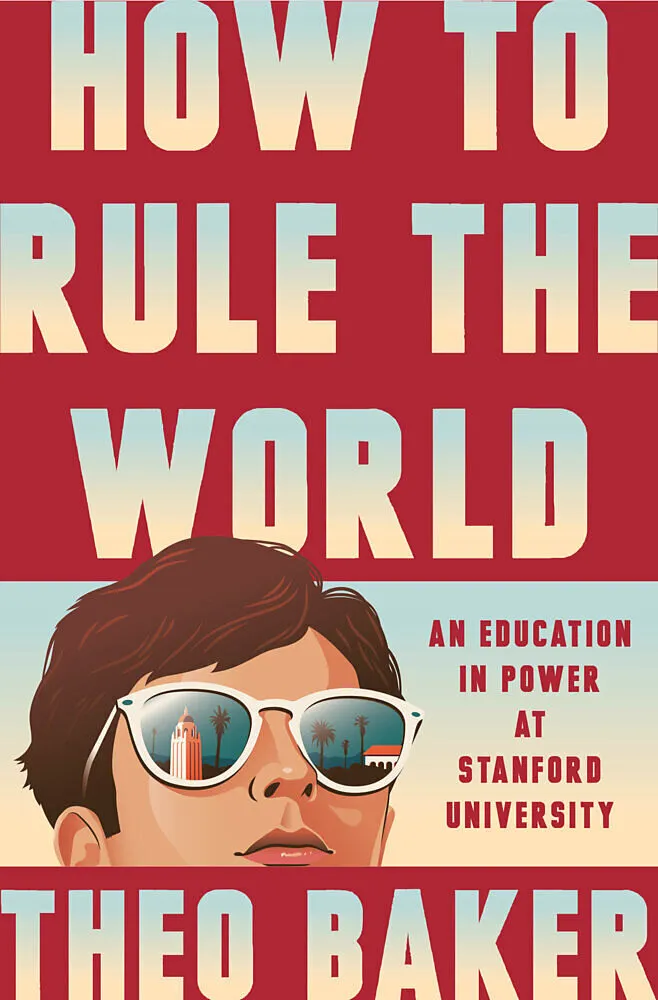
How to Rule the World
Beschreibung
Winner of the George Polk Award for his investigation that brought down Stanford’s president, Theo Baker offers a revelatory and gripping account of Silicon Valley hubris Slush funds. Shell companies. Yacht parties. This is life for Silicon Valley’...Format auswählen
- Fester EinbandCHF 28.50

Wird oft zusammen gekauft
Andere Kunden kauften auch
Beschreibung
Winner of the George Polk Award for his investigation that brought down Stanford’s president, Theo Baker offers a revelatory and gripping account of Silicon Valley hubris Slush funds. Shell companies. Yacht parties. This is life for Silicon Valley’s favored teenagers. Seventeen-year-old Theo Baker showed up for freshman year at Stanford University as a tech-obsessed coder. It seemed like paradise. There were Rodin sculptures next to nuclear laboratories and inventors lounging with Olympians. But Baker soon discovered a culture that embraced corner-cutting, that vested infinite excess and access in the hands of kids with few safeguards to catch bad behavior. Stanford, he realized, was less a school than a business. Its annual budget was nearly twice that of Harvard or Yale and higher than those of 116 countries. The product? Students. Especially those special few identified as the next trillion-dollar startup founders. For them, there were secret societies, “pre-idea” funding offers, and social calls from billionaires, all with the expectation that these geniuses would soon join the ruling elite. At the helm of this business was Marc Tessier-Lavigne, a superstar neuroscientist and wealthy biotech executive. But when Baker joined the student newspaper and started poking around the Stanford president’s record, he discovered never-reported allegations of research misconduct in studies published across two decades bearing Tessier-Lavigne''s name. Only one month into college and thousands of miles from home, Baker began receiving anonymous letters, going on stakeouts, and tracking down confidential sources. High-powered lawyers and public relations teams were hired to attack his reporting. By the end of the year, Tessier-Lavigne was out as president. This is the incredible story of how a reluctant teenage reporter uncovered a scandal that shook the scientific world and became front-page news across the country. It is also an unprecedented inside view of the students learning to rule the world--and what they’re learning from those who already do. <How to Rule the World< is a shocking, hilarious, and moving debut, showcasing Silicon Valley’s training ground as never before....
Autorentext
Theo Baker
Klappentext
**The instant New York Times bestseller • A Tom Wolfe Literary Prize finalist • Named a Best Book of the Year (So Far) by New York Times, Barnes & Noble, Amazon, and Apple Books
“A rigorous, self-assured, propulsive, at times terrifying portrait of a dweebocracy that ‘sets the agenda for the planet’ . . . in the tradition of Michael Lewis’s Wall Street chronicle Liar’s Poker.” —*The New York Times
*“A romp and rollick of a read.” —Andrew Ross Sorkin, #1 New York Times bestselling author of *1929
*
From Theo Baker, winner of the George Polk Award for his investigation that brought down Stanford's president, comes a revelatory and gripping account of Silicon Valley hubris.
**
Slush funds. Shell companies. Yacht parties. This is life for Silicon Valley’s favored teenagers.
Seventeen-year-old Theo Baker showed up for freshman year at Stanford University as a tech-obsessed coder. It seemed like paradise. There were Rodin sculptures next to nuclear laboratories and inventors lounging with Olympians. But Baker soon discovered a culture that embraced corner-cutting, that vested infinite excess and access in the hands of kids with few safeguards to catch bad behavior.
Stanford, he realized, was less a school than a business. Its annual budget was nearly twice that of Harvard or Yale and higher than those of 116 countries. The product? Students. Especially those special few identified as the next trillion-dollar startup founders. For them, there were secret societies, “pre-idea” funding offers, and social calls from billionaires, all with the expectation that these geniuses would soon join the ruling elite.
At the helm of this business was Marc Tessier-Lavigne, a superstar neuroscientist and wealthy biotech executive. But when Baker joined the student newspaper and started poking around the Stanford president’s record, he discovered never-reported allegations of research misconduct in studies published across two decades bearing Tessier-Lavigne's name.
Only one month into college and thousands of miles from home, Baker began receiving anonymous letters, going on stakeouts, and tracking down confidential sources. High-powered lawyers and public relations teams were hired to attack his reporting. Stanford opened an investigation into its own leader. And by the end of the year, Tessier-Lavigne was out as president.
This is the incredible journey of a reluctant teenage reporter who uncovered a story that shook the scientific world and became front-page news across the country. It is also an unprecedented inside view of the students learning to rule the world—and what they’re learning from those who already do.
How to Rule the World is a shocking, hilarious, and moving debut, showcasing Silicon Valley’s training ground as never before.
Zusammenfassung
**The instant New York Times bestseller • Named a Best Book of the Year (So Far) by New York Times, Barnes & Noble, Amazon, and Apple Books
“A rigorous, self-assured, propulsive, at times terrifying portrait of a dweebocracy that ‘sets the agenda for the planet’ . . . in the tradition of Michael Lewis’s Wall Street chronicle Liar’s Poker.” —*The New York Times
*“A romp and rollick of a read.” —Andrew Ross Sorkin, #1 New York Times bestselling author of *1929
*
From Theo Baker, winner of the George Polk Award for his investigation that brought down Stanford's president, comes a revelatory and gripping account of Silicon Valley hubris.
**
Slush funds. Shell companies. Yacht parties. This is life for Silicon Valley’s favored teenagers.
Seventeen-year-old Theo Baker showed up for freshman year at Stanford University as a tech-obsessed coder. It seemed like paradise. There were Rodin sculptures next to nuclear laboratories and inventors lounging with Olympians. But Baker soon discovered a culture that embraced corner-cutting, that vested infinite excess and access in the hands of kids with few safeguards to catch bad behavior.
Stanford, he realized, was less a school than a business. Its annual budget was nearly twice that of Harvard or Yale and higher than those of 116 countries. The product? Students. Especially those special few identified as the next trillion-dollar startup founders. For them, there were secret societies, “pre-idea” funding offers, and social calls from billionaires, all with the expectation that these geniuses would soon join the ruling elite.
At the helm of this business was Marc Tessier-Lavigne, a superstar neuroscientist and wealthy biotech executive. But when Baker joined the student newspaper and started poking around the Stanford president’s record, he discovered never-reported allegations of research misconduct in studies published across two decades bearing Tessier-Lavigne's name.
Only one month into college and thousands of miles from home, Baker began receiving anonymous letters, going on stakeouts, and tracking down confidential sources. High-powered lawyers and public relations teams were hired to attack his reporting. Stanford opened an investigation into its own leader. And by the end of the year, Tessier-Lavigne was out as president.
This is the incredible journey of a reluctant teenage reporter who uncovered a story that shook the scientific world and became front-page news across the country. It is also an unprecedented inside view of the students learning to rule the world—and what the…