
IHR WARENKORB IST AKTUELL LEER.
Haben Sie noch nichts passendes gefunden? Stöbern Sie durch unser komplettes Sortiment.
Oder melden Sie sich an bzw. registrieren Sie sich.
- Kostenlose Lieferung
- Kauf auf Rechnung
- Ex Libris Tiefpreis
- Filiallieferung und 650+ Abholorte
- Rabatt-Bons als Club-Mitglied
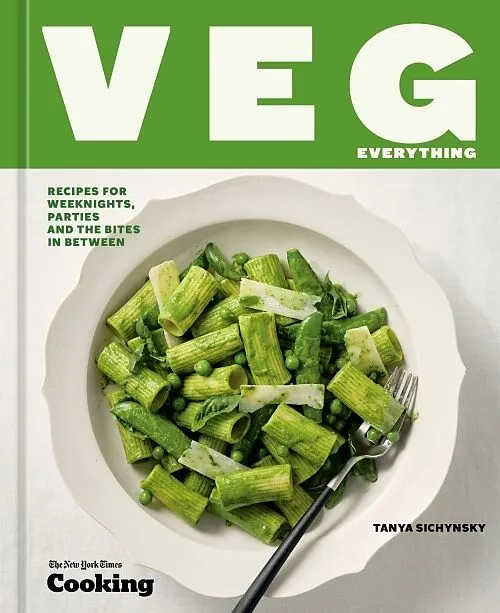
Veg Everything
Beschreibung
This collection of 100 recipes from NYT Cooking invites you to discover just how bold and satisfying vegetarian dishes can be--for weeknight cooking, celebrations, and all the bites in between. Have you ever feared that you would still feel hungry after a vege...Format auswählen
- Fester EinbandCHF 41.20

Wird oft zusammen gekauft
Andere Kunden kauften auch
Beschreibung
This collection of 100 recipes from NYT Cooking invites you to discover just how bold and satisfying vegetarian dishes can be--for weeknight cooking, celebrations, and all the bites in between. Have you ever feared that you would still feel hungry after a vegetarian feast? Tried to cook for meat lovers… without the meat? Craved a more vibrant vegetable-packed breakfast worth jumping out of bed for? Whether you’re a devoted vegetarian or expanding your palate, Curated by Tanya Sichynsky, author of the popular NYT Cooking newsletter “The Veggie,” Enjoy every bite of 100 standout NYT Cooking recipes, grouped by themes: hearty breakfasts and finger foods, seasonal salads and soups, meatless mains and party showstoppers. Discover irresistible meals anchored by a humble can of beans; shape-shifting tofu, from silky to crispy; meal-enhancers like broth and dressings; and vegetable-packed (and still decadent) pastas. Think Cauliflower Shawarma with Tahini for a weeknight dinner, with leftovers for lunch; Spicy Tomato Beans and Greens to work magic with pantry staples; Creamed Greens Pot Pie on a holiday table; or a Golden Potato and Greens Soup that turns crisper-drawer veggies into the main event.; Featuring time-tested recipes and expert guidance from trusted writers Melissa Clark, Eric Kim, Yewande Komolafe, Andy Baraghani, Hetty Lui McKinnon, and more, <Veg Everything< is an enthusiastic celebration of vegetables--for the veg-forward, the veg-skeptical, and everyone in between.
Autorentext
Tanya Sichynsky is a Food and Cooking editor at The New York Times and the author and host of The Veggie, a YouTube series and weekly vegetarian newsletter.
New York Times Cooking is the digital source for more than 24,000 of the best recipes from The New York Times, for home cooks at every skill level. Cooking subscribers get access to the best-in-class app, including tools for recipe organization and shopping lists, and weekly newsletters that offer new recipes and smart kitchen tips from New York Times editors.
Klappentext
NEW YORK TIMES BESTSELLER • This collection of 101 recipes from NYT Cooking invites you to discover just how bold and satisfying vegetarian dishes can be—for weeknight cooking, celebrations and all the bites in between.
Have you ever feared that you would still feel hungry after a vegetarian feast? Tried to cook for meat lovers… without the meat? Craved a more vibrant vegetable-packed breakfast worth jumping out of bed for? Whether you’re a devoted vegetarian or expanding your palate, Veg Everything will change how you think about plant-forward meals.
Curated by Tanya Sichynsky, author of the popular NYT Cooking newsletter “The Veggie,” Veg Everything serves up not only culinary inspiration (with mouthwatering photos) but also tips and meal plans to make vegetarian cooking feel as easy as it is delicious. As Tanya says, “The decision to eat more vegetables does not confine you to a life of side dishes. It opens the door to a multiverse.”
Enjoy every bite of 101 standout NYT Cooking recipes, grouped by themes: hearty breakfasts and finger foods, seasonal salads and soups, meatless mains and party showstoppers. Discover irresistible meals anchored by a humble can of beans; shape-shifting tofu, from silky to crispy; meal-enhancers like broth and dressings; and vegetable-packed (and still decadent) pastas.
Think Cauliflower Shawarma with Tahini for a weeknight dinner, with leftovers for lunch; Spicy Tomato Beans and Greens to work magic with pantry staples; Creamed Greens Pot Pie on a holiday table; or a Golden Potato and Greens Soup that turns crisper-drawer veggies into the main event.
Featuring time-tested recipes and expert guidance from trusted writers Melissa Clark, Eric Kim, Yewande Komolafe, Andy Baraghani, Hetty Lui McKinnon and more, Veg Everything is an enthusiastic celebration of vegetables—for the veg-forward, the veg-skeptical and everyone in between.
Leseprobe
Introduction
Let’s get one thing out of the way. I’m not a vegetarian.
No, no! Don’t go anywhere. If you’re looking for labels, I can give you a few. I’m Tanya, an editor for Cooking and Food at The New York Times. I’m a Leo (Aries rising, Libra moon). I’m an omnivore, yes. And I’m also a vegetable devotee and the keyboard warrior behind The Veggie, the Times’s weekly newsletter dedicated to exuberant meatless cooking.
When we set out to create The Veggie, I learned a couple things: A majority of our readers weren’t vegetarian either, but many wanted to up their daily vegetable intake, and more than a few had no idea where to begin. They’d ask questions I had bashfully reserved for Google not all that long ago: What can I eat for a vegetable-based breakfast? How do I anchor a dinner party or holiday table? Can I make this meaty dish . . . without the meat? Will I feel full? If you’ve asked any of these questions, boy, do I have the book for you.
This is the sort of book I could’ve used a few years back.
I liked vegetables plenty growing up—my parents never had to land a broccoli airplane on my tongue tarmac. But on my childhood dinner table, they were the slight curves that made up a well-rounded meal, all bending around a meaty centerpiece that required more thought, more preparation, more labor. A platter draped in thin slices of tomato and milky cheese drizzled with balsamic vinegar and dusted with freshly cracked black pepper could amount to “a vegetable.” Garden-style salads with crisp romaine, thick-cut cucumbers and a bridal shop of assorted dressings, just say yes, made near-nightly appearances. Tomato, avocado and red onion salads and platanos maduros were a given in our Cuban-Ukrainian-American home. So were French fries—Dad’s favorite—retrieved from the oil just as we sat to stave off a reality as morose as death and taxes: a cold, languid fry. In the spring, there were thick spears of grilled asparagus, and in the summer, hearty planks of zucchini and ears of sweet corn, all branded by the grill. I piled my plate with them all.
Depending on where and when you grew up, a meat-and-three style of eating might sound familiar to you, too. For the better part of my life, this was the only way I knew how to eat or cook.
After college, I took part in the disorienting tradition of moving to a new city. I settled into the smallest room in a house with six roommates (two bathrooms, one fridge and at least one dead rat in the pantry). I worked nights and weekends, which wasn’t great for the ol’ social life. To pass the afternoons, I’d pop on a podcast and amble around town, my only destination being a specialty grocer or a sprawling farmers’ market some internet list insisted I visit.
There I found bundles of gangly carrots, their spindly roots intertwined like shoelaces. Crates of eggplants in shades I’d never seen before. Oyster mushrooms overflowing from paper bags. Bunches of herbs that could double as bridal bouquets. Rows and rows of bulbous, beautiful tomatoes. Wax beans that, from a stall away, looked a lot like French fries.
Moved by their glamour and my own curiosity, I’d buy one or two of whatever looked best and furiously Google things like “spikey spiral neon green cauliflower what is it” on the walk home. (I imagine my initial encounter with romanesco mimicked man’s first impression of an octopus. Alien? God?) But what to do with them?
I loved to cook, even in my seven-person kitchen, and I wasn’t half bad at it. Food magazines, Instagram and the sporadic restaurant visit, meanwhile, were making a compelling case for putting vegetables smack…