
IHR WARENKORB IST AKTUELL LEER.
Haben Sie noch nichts passendes gefunden? Stöbern Sie durch unser komplettes Sortiment.
Oder melden Sie sich an bzw. registrieren Sie sich.
- Kostenlose Lieferung
- Kauf auf Rechnung
- Ex Libris Tiefpreis
- Filiallieferung und 650+ Abholorte
- Rabatt-Bons als Club-Mitglied
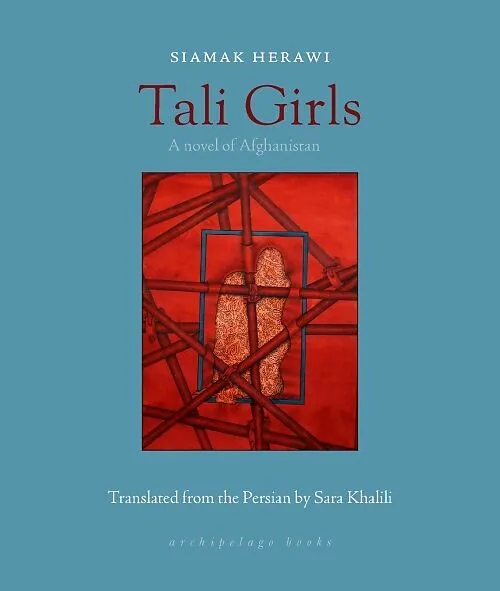
Tali Girls
Beschreibung
Informationen zum Autor Siamak Herawi Klappentext "Tali girls is an extraordinary book: poetic in its focus on the most humble moments of life and smallest details of landscape, and utterly devastating in its depiction of bright, passionate girls being crushed...Format auswählen
- Poche format ACHF 25.10

Wird oft zusammen gekauft
Andere Kunden kauften auch
Beschreibung
Informationen zum Autor Siamak Herawi Klappentext "Tali girls is an extraordinary book: poetic in its focus on the most humble moments of life and smallest details of landscape, and utterly devastating in its depiction of bright, passionate girls being crushed by corruption and desperation in an Afghanistan that has tried to render them powerless. That they are not powerless is revealed in sometimes shocking ways"-- Leseprobe Kowsar I will start with my childhood. From the time I was three years old. I will speak of my earliest memories, of ants that crawl up the wall in columns and now and then stop to lock horns. They frighten me, I scream, I break into a fever, and everything fades into grey. It is difficult to describe how the world around me turns hazy and grey. Visualize a girl struck with such fright that she breaks into a burning fever, convulses, and loses consciousness. At times, she hallucinates. Perhaps of horrors beyond her young imagination. As a small child, dogs, cats, even people sometimes frighten me. One day, the old man of the neighborhood stops when he sees me with Mother and smiles. He walks across the way and kneels in front of me. Kowsar, he says, you are so sweet. I could eat you! I scream and hide under Mother's chador. I start to shake and my grey world sets in. I again see the old man. He is wearing a grimy lungee and his coarse beard is sticking out in every direction. His eyes are sunken and bloodshot. He kneels in front of me and grins. Kowsar, I could eat you, he whispers. Then he opens his foul-smelling mouth, licks my face and digs his sharp yellow teeth into my cheek. With no resistance, I surrender to him. When all that remains are my bones, the old man licks his moustache and walks away laughing. Mother picks me up and cradles me in her arms. Oh, my girl! she says, feeling my forehead. It's the fainting spell again. And she hurries home. Mobin Khan, Kowsar fainted again. One of these days she'll stop breathing. When are you going to take her to a mullah or a doctor? Father, busy mixing hay and weeds near the sheep hold, stops, glances at her, and goes back to mixing his hay and weeds. Wife, it's nothing new. She's had it since she was little. They say it's epilepsy. Leave her be. We were seven brothers, disease killed until only two of us remained. Lucky the ones who died. We're only fooling ourselves that we are grateful being alive. Husband! She's helpless. It doesn't please God to let her suffer. Back then children died because there were no doctors, no medicine. These days people don't die that easily. Wife! Doctors and medicine cost money. Where's the money? If I start selling the sheep, how would I make a living? Then take her to a mullah. They say there's a new one in Jawand who has healing powers. Take her to him. He can cure her with prayers and incantations. Mullahs don't heal for free! But, fine, I'll take her. I'll have the man chant and do whatever he does to cure your daughter. Happy now? It's almost time to harvest and thresh the wheat. When that's done, I'll take a sack of grain and sell it, so I can buy some tea and candied sugar. Now stop pestering me. Go brew a pot of tea, I'm vexed and exhausted. Mother sighs and turns back. She feels my forehead again. The fever is gone. There's cold sweat on my brow. **** After the wheat is harvested and threshed, Father ties a burlap sack of grain on our donkey and takes me by the hand to bring me to the mullah. We live in Tali, a village in a deep valley surrounded by mountains with tall peaks and massive boulders that in the morning and afternoon act as barriers against the sun. Our valley is green and lush, drunk with springs, waterfalls, and streams that intricately weave their way to where they meet and create a roaring mountain river. You can see schools of red- and cream-colored fish ...
Autorentext
Siamak Herawi
Klappentext
"Tali girls is an extraordinary book: poetic in its focus on the most humble moments of life and smallest details of landscape, and utterly devastating in its depiction of bright, passionate girls being crushed by corruption and desperation in an Afghanistan that has tried to render them powerless. That they are not powerless is revealed in sometimes shocking ways"--
Zusammenfassung
**An intimate look at the lives, loves, horrors, and dreams of girls and women in an Afghan mountain village under Taliban rule
A heartbreaking tragedy in the vein of The Kite Runner from a major English-speaking Afghan figure famous for his books and long career in politics**
Siamak Herawi brings Afghan women centerstage and takes us deep into the heart of his motherland to witness the reality of their lives under the Taliban’s most extreme interpretation of Islam. Based on true stories, the result is a sobering and harrowing tale that relates the current ethos of a country under occupation by one power or another for more than half a century.
Told in a direct, conversational prose, this chorus of voices offers us a vivid picture of the endless cycle of the suffering of girls and women in the grip of the Taliban authorities, of the imbalance of power and opportunity.
The central figures illuminate the power of love, friendship, and generosity in the face of poverty and oppression. Their experiences and dilemmas have a visceral power and we become deeply attached to Kowsar, Geesu, and Simin. These are testaments of resilience, hope, courage, and visceral fear, of doors of opportunity opening just a crack that offer a way out.
In Sara Khalili’s vibrant and nuanced translation from the Persian, Tali Girls tears down the curtain and exposes the treacherous realities of what women are up against in modern-day, war-torn Afghanistan.
Leseprobe
Kowsar
I will start with my childhood. From the time I was three years old. I will speak of my earliest memories, of ants that crawl up the wall in columns and now and then stop to lock horns. They frighten me, I scream, I break into a fever, and everything fades into grey. It is difficult to describe how the world around me turns hazy and grey. Visualize a girl struck with such fright that she breaks into a burning fever, convulses, and loses consciousness. At times, she hallucinates. Perhaps of horrors beyond her young imagination. As a small child, dogs, cats, even people sometimes frighten me.
One day, the old man of the neighborhood stops when he sees me with Mother and smiles. He walks across the way and kneels in front of me. “Kowsar,” he says, “you are so sweet. I could eat you!” I scream and hide under Mother’s chador. I start to shake and my grey world sets in. I again see the old man. He is wearing a grimy lungee and his coarse beard is sticking out in every direction. His eyes are sunken and bloodshot. He kneels in front of me and grins. “Kowsar, I could eat you,” he whispers. Then he opens his foul-smelling mouth, licks my face and digs his sharp yellow teeth into my cheek. With no resistance, I surrender to him. When all that remains are my bones, the old man licks his moustache and walks away laughing.
Mother picks me up and cradles me in her arms. “Oh, my girl!” she says, feeling my forehead. “It’s the fainting spell again.” And she hurries home.
“Mobin Khan, Kowsar fainted again. One of these days she’ll stop breathing. When are you going to take her to a mullah or a doctor?”
Father, busy mixing hay and weeds near the sheep hold, stops, glances at her, and goes back to mixing his hay and weeds.
“Wife, it’s nothing new. She’s had it since she was little. They say it’s epilepsy. Leave her be. We were seven brothers, disease killed until only two of us remained. Lucky the ones who died. We’re only fooling ourselves that we are grateful being alive.”
&l…