
IHR WARENKORB IST AKTUELL LEER.
Haben Sie noch nichts passendes gefunden? Stöbern Sie durch unser komplettes Sortiment.
Oder melden Sie sich an bzw. registrieren Sie sich.
- Kostenlose Lieferung
- Kauf auf Rechnung
- Ex Libris Tiefpreis
- Filiallieferung und 650+ Abholorte
- Rabatt-Bons als Club-Mitglied
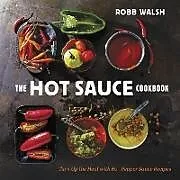
The Hot Sauce Cookbook
Beschreibung
Zusatztext As a big-flavor! hot-food freak! I adore this book for its deep coverage of all things spicy. But where Walsh really shines is in his simple! DIY approach to hot sauces: Now any cook! regardless of skill level! can make their own at home. Andrew Zim...Format auswählen
- Fester EinbandCHF 22.70

Wird oft zusammen gekauft
Andere Kunden kauften auch
Beschreibung
Zusatztext As a big-flavor! hot-food freak! I adore this book for its deep coverage of all things spicy. But where Walsh really shines is in his simple! DIY approach to hot sauces: Now any cook! regardless of skill level! can make their own at home. Andrew Zimmern! host of Bizarre Foods with Andrew Zimmern Informationen zum Autor Robb Walsh Klappentext From veteran cookbook author Robb Walsh, this definitive guide to the world's most beloved condiment is a must-have for fans of dishes that can never be too spicy. Here's a cookbook that really packs a punch. With dozens of recipes for homemade pepper sauces and salsasincluding riffs on classic brands like Frank's RedHot, Texas Pete, Crystal, and Srirachaplus step-by-step instructions for fermenting your own pepper mash, The Hot Sauce Cookbook will leave you amazed by the fire and vibrancy of your homemade sauces. Recipes for Meso-american salsas, Indonesian sambal, and Ethiopian berbere showcase the sweeping history and range of hot sauces around the world. If your taste buds can handle it, Walsh also serves up more than fifty recipes for spice-centric dishesincluding Pickapeppa Pot Roast, the Original Buffalo Wing, Mexican Micheladas, and more. Whether you're a die-hard chilehead or just a DIY-type in search of a new pantry project, your cooking is sure to climb up the Scoville scale with The Hot Sauce Cookbook. Introduction Salsa surpassed ketchup, newspaper columnists, sociologists, and grocery industry gurus marked it as a major milestone, an indicator of irreversible changes in the ethnic makeup of our society. By 2002, the space allotted to hot sauces and salsas in the average supermarket went from a few feet of shelf space to close to an entire aisle. At the fast-food counter and the condiment station of the ballpark, hot sauce has joined ketchup and mustard in the plastic-squeeze-packet pantheon. Business Week's list of the twenty-five top-selling condiments in America includes six salsas and four pepper sauces. The hot parade shows no sign of letting up. The 2012 Culinary Trend Mapping Report by food-industry think tank Packaged Facts declared that hot and spicy foods were still one of the fastest growing segments of the grocery business. The researchers reported that multicultural Generation Y and the growing Asian demographic were eager to try bigger, bolder, hot and spicy flavors in nearly every daypart, food and beverage category, and season. From the mainstream American point of view, hot and spicy food seems like something that's arrived on the culinary scene in the last twenty years. But while some of the brand names might be new, the recipes for the hot sauces contained inside the bottles go back hundreds and, sometimes even thousands, of years. This book is a casual tour of hot-sauce history, a practical guide for making it at home, and an exploration of the strange relationship between humankind and hot and spicy food. In six chapters, we consider where hot sauce came from and where it's going. Chapter 1 introduces some key hot sauce terminology and also describes the various peppers that are used in recipes throughout this book. In chapter 2, you'll see how your favorite Mexican salsa recipes evolved from centuries-old Mesoamerican chilmoles. Chapter 3 will give you some new ideas about how to use the habanero-type chiles of the Caribbean islands, and recounts the story of the pepper sauces that made those intensely hot chiles famous. Chapter 4 follows the fortunes of the Louisiana pepper sauce moguls, and offers recipes for making your own fermented pepper sauces at home. Chapter 5 is a world tour of international hot sauces, including do-it-yourself recipes for Thai Sriracha, Ethiopian berbere, and Indonesian sambal oelek. Finally, in chapter 6 we'll see how some of America's top chefs are using hot sauces to raise the ...
ldquo;As a big-flavor, hot-food freak, I adore this book for its deep coverage of all things spicy. But where Walsh really shines is in his simple, DIY approach to hot sauces: Now any cook, regardless of skill level, can make their own at home.”
—Andrew Zimmern, host of Bizarre Foods with Andrew Zimmern
Autorentext
Robb Walsh
Klappentext
**From veteran cookbook author Robb Walsh, this definitive guide to the world's most beloved condiment is a must-have for fans of dishes that can never be too spicy.
**Here’s a cookbook that really packs a punch. With dozens of recipes for homemade pepper sauces and salsas—including riffs on classic brands like Frank’s RedHot, Texas Pete, Crystal, and Sriracha—plus step-by-step instructions for fermenting your own pepper mash, The Hot Sauce Cookbook will leave you amazed by the fire and vibrancy of your homemade sauces. Recipes for Meso-american salsas, Indonesian sambal, and Ethiopian berbere showcase the sweeping history and range of hot sauces around the world. If your taste buds can handle it, Walsh also serves up more than fifty recipes for spice-centric dishes—including Pickapeppa Pot Roast, the Original Buffalo Wing, Mexican Micheladas, and more. Whether you’re a die-hard chilehead or just a DIY-type in search of a new pantry project, your cooking is sure to climb up the Scoville scale with The Hot Sauce Cookbook.
Leseprobe
Introduction
Salsa surpassed ketchup, newspaper columnists, sociologists, and grocery industry gurus marked it as a major milestone, an indicator of irreversible changes in the ethnic makeup of our society. By 2002, the space allotted to hot sauces and salsas in the average supermarket went from a few feet of shelf space to close to an entire aisle. At the fast-food counter and the condiment station of the ballpark, hot sauce has joined ketchup and mustard in the plastic-squeeze-packet pantheon.
Business Week’s list of the twenty-five top-selling condiments in America includes six salsas and four pepper sauces. The hot parade shows no sign of letting up. The 2012 Culinary Trend Mapping Report by food-industry think tank Packaged Facts declared that hot and spicy foods were still one of the fastest growing segments of the grocery business. The researchers reported that multicultural Generation Y and the growing Asian demographic were “eager to try bigger, bolder, hot and spicy flavors in nearly every daypart, food and beverage category, and season.”
From the mainstream American point of view, hot and spicy food seems like something that’s arrived on the culinary scene in the last twenty years. But while some of the brand names might be new, the recipes for the hot sauces contained inside the bottles go back hundreds and, sometimes even thousands, of years.
This book is a casual tour of hot-sauce history, a practical guide for making it at home, and an exploration of the strange relationship between humankind and hot and spicy food.
In six chapters, we consider where hot sauce came from and where it’s going. Chapter 1 introduces some key hot sauce terminology and also describes the various peppers that are used in recipes throughout this book. In chapter 2, you’ll see how your favorite Mexican salsa recipes evolved from centuries-old Mesoamerican “chilmoles.” Chapter 3 will give you some new ideas about how to use the habanero-type chiles of the Caribbean islands, and recounts the story of the pepper sauces that made those intensely hot chiles famous. Chapter 4 follows the fortunes of the Louisiana pepper sauce moguls, and offers recipes for making your own fermented pepper sauces at home. Chapter 5 is a world tour of international hot sauces, including do-it-yourself recipes for Thai Sriracha, Ethiopian berbere, and Indonesian sambal oelek. Finally, in chapter 6 we’ll see how some of America’s top chefs are using hot sauces to raise the profile of fiery food in contemporary American …