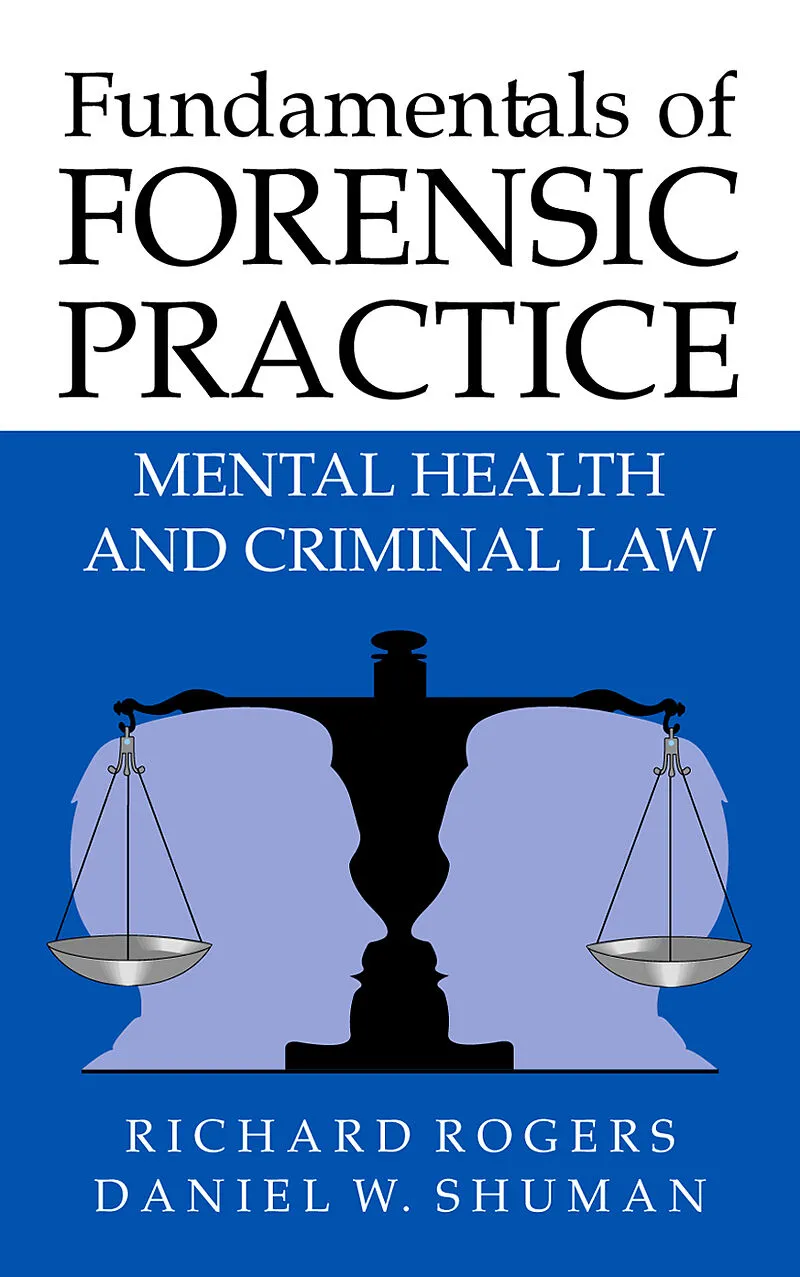
Fundamentals of Forensic Practice
Beschreibung
This book is the first part of a two volume set, which together, provide a comprehensive review of forensic practice. This volume focuses on the important issues and clinical concerns of criminal law, covering basic concepts such as the legal framework, malin...
Format auswählen
- Fester EinbandCHF 131.60
- E-Book (pdf)CHF 118.90
- Kartonierter EinbandCHF 122.00

Wird oft zusammen gekauft
Andere Kunden kauften auch
Beschreibung
This book is the first part of a two volume set, which together, provide a comprehensive review of forensic practice. This volume focuses on the important issues and clinical concerns of criminal law, covering basic concepts such as the legal framework, malingering and deception, the insanity defense, competency to stand trial, death sentence issues, and post-adjudication issues. Each chapter follows a similar format consisting of the relevant legal standard, how this applies clinically, clinical methods of assessment, forensic decision making, and practice-based issues.
Well-known authors in their respective fields, who have collaborated on other successful volumes Will make a clear contribution to the literature in law and psychology, and will be useful both clinically and as a text
Autorentext
Richard Rogers, Ph.D., ABPP, ist Regents Professor für Psychologie an der University of North Texas. Im Jahr 2014 erhielt er den Eminent Faculty Award, eine der höchsten Auszeichnungen der Universität, die jährlich an einen herausragenden Professor verliehen wird. Zuvor bekleidete er wichtige Positionen in der Abteilung für Psychiatrie und Recht an der Rush University und in der Abteilung für forensische Psychiatrie an der University of Toronto.Dr. Rogers ist auf nationaler Ebene für seine Beiträge zur forensischen Psychologie und Psychiatrie anerkannt. Zu den nationalen Auszeichnungen gehören (1) der Manfred S. Guttmacher Award der American Psychiatric Association, (2) der Distinguished Contributions to Forensic Psychology Award der American Academy of Forensic Psychologists und (3) der Amicus Award der American Academy of Psychiatry and Law. Seine Beiträge zur klinischen Psychologie und zum Fachgebiet der Psychologie wurden ebenfalls gewürdigt. Im Jahr 2007 zeichnetedie Society of Clinical Psychology Dr. Rogers mit dem Distinguished Professional Contributions to Clinical Psychology aus. Im Jahr 2008 verlieh die American Psychological Association (APA) den prestigeträchtigen Distinguished Professional Contributions to Applied Research Award. Im Jahr 2011 ehrte die APA Dr. Rogers erneut mit ihrem Distinguished Professional Contributions to Public Policy Award. Im Jahr 2011 war er einer von nur drei Wissenschaftlern in der Geschichte der APA, die beide nationalen Auszeichnungen erhielten.Eric Y. Drogin ist Fellow der American Academy of Forensic Psychology, Diplomate und ehemaliger Präsident des American Board of Forensic Psychology und Diplomate des American Board of Professional Psychology. Dr. Drogin ist derzeit Dozent an der Harvard Medical School (als Mitglied des Programms für Psychiatrie und Recht und als Mitarbeiter des forensischen Psychiatriedienstes in der Abteilung für Psychiatrie am Beth Israel Deaconess Medical Center) und am Harvard Longwood Psychiatry Residency Training Program. Darüber hinaus war er Vorsitzender des American Psychological Association's Committee on Professional Practice and Standards, Vorsitzender des APA's Committee on Legal Issues, Vorsitzender der APA's Joint Task Force with the American Bar Association und Präsident der New Hampshire Psychological Association. Dr. Drogin erhielt seinen Doktor der Philosophie (Ph.D.) in Klinischer Psychologie von der Hahnemann University.
Inhalt
Foundations of Practice.- Clinical and Legal Framework.- Malingering and Deception in Criminal Evaluations.- The Nature of Experts and Their Testimony.- Specific Criminal Issues.- Forensic Determinations of Diversion and Bail.- Miranda and Beyond: Competencies Related to Police Investigations.- Competency to Stand Trial.- The Insanity Defense.- Beyond Insanity: Other Issues of Criminal Responsibility.- Sentencing Recommendations and Capital Issues.- Competency to be Executed and Other Post-Conviction Relief Issues.- Sexual Predator Determinations.- Integration: Themes in Criminal Forensic Practice.