Beschreibung
Winner of the 2021/2022 People's Book Prize Best Achievement Award Homes can be both comforting and troubling places. This timely book proposes a new understanding of Florence Nightingale's experiences of domestic life and how ideas of home influenced her wri...Winner of the 2021/2022 People's Book Prize Best Achievement Award
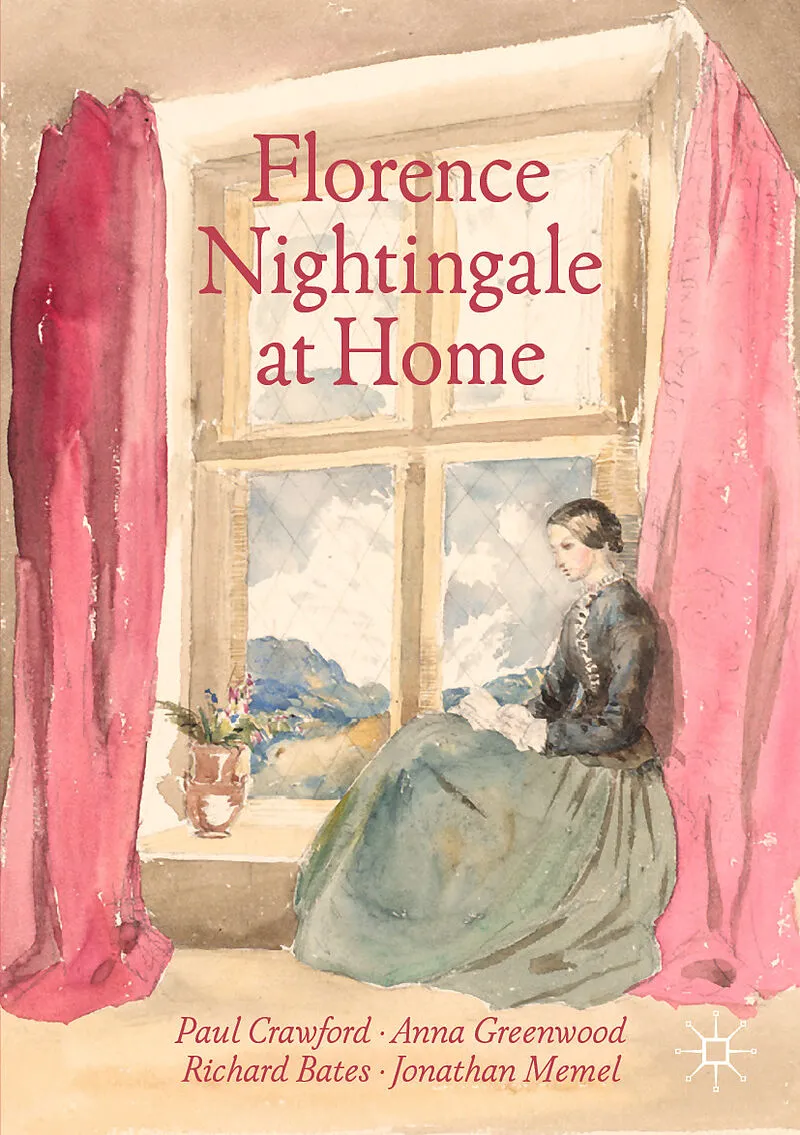
Homes can be both comforting and troubling places. This timely book proposes a new understanding of Florence Nightingale's experiences of domestic life and how ideas of home influenced her writings and pioneering work. From her childhood homes in Derbyshire and Hampshire, she visited the poor sick in their cottages. As a young woman, feeling imprisoned at home, she broke free to become a woman of action, bringing home comforts to the soldiers in the Crimean War and advising the British population on the home front how to create healthier, contagion-free homes. Later, she created Nightingale Homes for nursing trainees and acted as mother-in-chief to her extended family of nurses. These efforts, inspired by her Christian faith and training in human care from religious houses, led to major changes in professional nursing and public health, as Nightingale strove for homely, compassionate care in Britain and around the world. Shedid most of this work from her bed after contracting the debilitating illness, brucellosis, in the Crimea, turning her various private homes into offices and 'households of faith'. In the year of the bicentenary of her birth, she remains as relevant as ever, achieving an astonishing cultural afterlife.
Winner of the 2021/2022 People's Book Prize Best Achievement Award First book to explore the importance of the home to Florence Nightingale's life and work Contributes to the growing body of work on the theme and meaning of the 'home' in research across the humanities Analyses primary source material not usually consulted, with access to a searchable, six million word collection of Nightingale's correspondence and further unpublished archival material
Autorentext
Paul Crawford is Professor of Health Humanities in the Faculty of Medicine and HealthSciences at the University of Nottingham, UK.
**Anna Greenwood is Associate Professor of History in the Faculty of Arts at the Universityof Nottingham, UK.
**Richard Bates is Postdoctoral Research Fellow in the Faculty of Arts at the University ofNottingham, UK.
**Jonathan Memel **is Lecturer in English Literature in the School of Humanities at Bishop Grosseteste University, UK.
Klappentext
Winner of the 2021/2022 People's Book Prize Best Achievement Award Homes can be both comforting and troubling places. This timely book proposes a new understanding of Florence Nightingale s experiences of domestic life and how ideas of home influenced her writings and pioneering work. From her childhood homes in Derbyshire and Hampshire, she visited the poor sick in their cottages. As a young woman, feeling imprisoned at home, she broke free to become a woman of action, bringing home comforts to the soldiers in the Crimean War and advising the British population on the home front how to create healthier, contagion-free homes. Later, she created Nightingale Homes for nursing trainees and acted as mother-in-chief to her extended family of nurses. These efforts, inspired by her Christian faith and training in human care from religious houses, led to major changes in professional nursing and public health, as Nightingale strove for homely, compassionate care in Britain and around the world. Shedid most of this work from her bed after contracting the debilitating illness, brucellosis, in the Crimea, turning her various private homes into offices and households of faith . In the year of the bicentenary of her birth, she remains as relevant as ever, achieving an astonishing cultural afterlife.
Inhalt