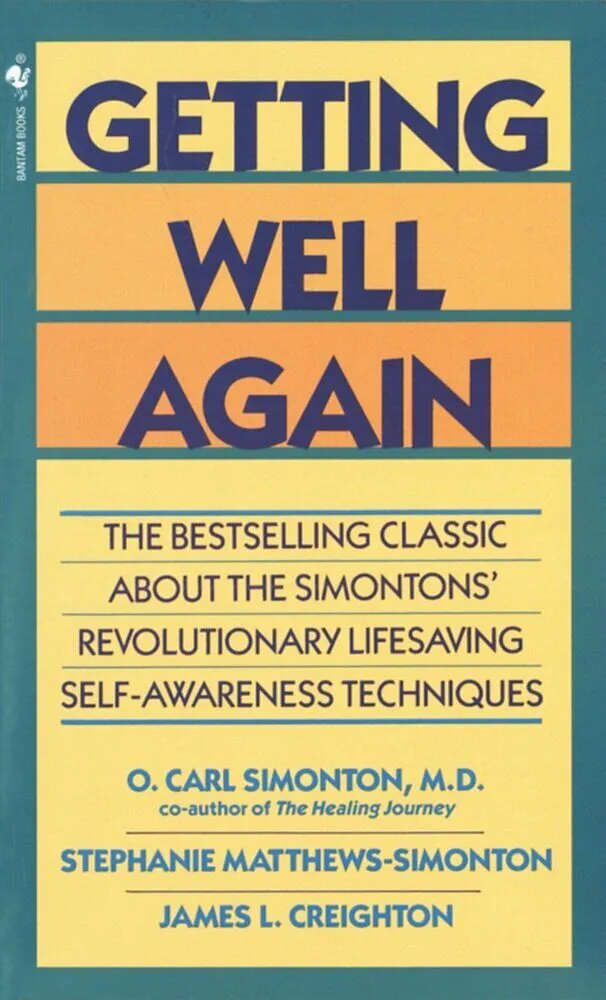
Getting Well Again
Beschreibung
Informationen zum Autor O. Carl Simonton, MD, (19422009) was a radiation oncologist and founder and director of the Simonton Cancer Center in Malibu, California, the first cancer counseling program to recognize the role and importance of family and personal su...Format auswählen
- Poche format ACHF 9.55

Wird oft zusammen gekauft
Andere Kunden kauften auch
Beschreibung
Informationen zum Autor O. Carl Simonton, MD, (19422009) was a radiation oncologist and founder and director of the Simonton Cancer Center in Malibu, California, the first cancer counseling program to recognize the role and importance of family and personal support and to include them in the treatment plan. Dr. Simonton was a frequen lecturer at hospitals and medical schools, a consultant for cancer counseling programs, and the author of numberous articles for professional publications. James Creighton, PhD, is a psychotherapist and coauthor of Getting Well Again , with O. Carl Simonton, MD, and Stephanie Matthews Simonton. Stephanie Matthews Simonton is a psychotherapist. She is the co-author of Getting Well Again and the author of The Healing Family. Klappentext Based on the Simontons' experience with hundreds of patients at their world-famous Cancer Counseling and Research Center, Getting Well Again introduces the scientific basis for the "will to live." In this revolutionary book the Simontons profile the typical "cancer personality": how an individual's reactions to stress and other emotional factors can contribute to the onset and progress of cancer -- and how positive expectations, self-awareness, and self-care can contribute to survival. This book offers the same self-help techniques the Simonton's patients have used to successfully to reinforce usual medical treatment -- techniques for learning positive attitudes, relaxation, visualization, goal setting, managing pain, exercise, and building an emotional support system. Leseprobe 1 The Mind-Body Connection: A Psychological Approach to Cancer Treatment Everyone participates in his or her health or illness at all times. This book will show people with cancer or other serious illnesses how they can participate in getting well again. It will also show those who are not ill how they can participate in maintaining their health. We use the word participate to indicate the vital role you play in creating your own level of health. Most of us assume that healing is something done to us, that if we have a medical problem our responsibility is simply to get to a physician who will then heal us. That's true to a degree, but it is only part of the story. We all participate in our own health through our beliefs, our feelings, and our attitudes toward life, as well as in more direct ways, such as through exercise and diet. In addition, our response to medical treatment is influenced by our beliefs about the effectiveness of the treatment and by the confidence we have in the medical team. This book in no way minimizes the role of the physician and other health professionals engaged in medical treatment. Rather, Getting Well Again will describe what you can do in conjunction with medical treatment to gain the health you deserve. Understanding how much you can participate in your health or illness is a significant first step for everyone in getting well. For many of our patients it is the critically important step. It may well be for you, too. We are Carl and Stephanie Simonton, and we operate the Cancer Counseling and Research Center in Dallas, Texas. Carl, the medical director of the center, is a radiation oncologist, a physician specializing in the treatment of cancer. Stephanie is director of counseling and is trained in psychology. Most of our patients, who come to us from all over the country, have received a medically incurable diagnosis from their doctors. According to national cancer statistics, they have an average life expectancy of one year. When these people believe that only medical treatment can help thembut their physicians have said that medicine is no longer of much avail and that they probably have only a few months to livethey feel doomed, trapped, helpless, and usua...
Autorentext
O. Carl Simonton, MD, (1942–2009) was a radiation oncologist and founder and director of the Simonton Cancer Center in Malibu, California, the first cancer counseling program to recognize the role and importance of family and personal support and to include them in the treatment plan. Dr. Simonton was a frequen lecturer at hospitals and medical schools, a consultant for cancer counseling programs, and the author of numberous articles for professional publications.
James Creighton, PhD, is a psychotherapist and coauthor of Getting Well Again, with O. Carl Simonton, MD, and Stephanie Matthews Simonton.
Stephanie Matthews Simonton is a psychotherapist. She is the co-author of Getting Well Again and the author of The Healing Family.
Klappentext
Based on the Simontons' experience with hundreds of patients at their world-famous Cancer Counseling and Research Center, Getting Well Again introduces the scientific basis for the "will to live."
In this revolutionary book the Simontons profile the typical "cancer personality": how an individual's reactions to stress and other emotional factors can contribute to the onset and progress of cancer -- and how positive expectations, self-awareness, and self-care can contribute to survival. This book offers the same self-help techniques the Simonton's patients have used to successfully to reinforce usual medical treatment -- techniques for learning positive attitudes, relaxation, visualization, goal setting, managing pain, exercise, and building an emotional support system.
Leseprobe
1
The Mind-Body Connection: A Psychological Approach to Cancer Treatment
Everyone participates in his or her health or illness at all times.
This book will show people with cancer or other serious illnesses how they can participate in getting well again. It will also show those who are not ill how they can participate in maintaining their health.
We use the word participate to indicate the vital role you play in creating your own level of health. Most of us assume that healing is something done to us, that if we have a medical problem our responsibility is simply to get to a physician who will then heal us. That’s true to a degree, but it is only part of the story.
We all participate in our own health through our beliefs, our feelings, and our attitudes toward life, as well as in more direct ways, such as through exercise and diet. In addition, our response to medical treatment is influenced by our beliefs about the effectiveness of the treatment and by the confidence we have in the medical team.
This book in no way minimizes the role of the physician and other health professionals engaged in medical treatment. Rather, Getting Well Again will describe what you can do in conjunction with medical treatment to gain the health you deserve.
Understanding how much you can participate in your health or illness is a significant first step for everyone in getting well. For many of our patients it is the critically important step. It may well be for you, too.
We are Carl and Stephanie Simonton, and we operate the Cancer Counseling and Research Center in Dallas, Texas. Carl, the medical director of the center, is a radiation oncologist, a physician specializing in the treatment of cancer. Stephanie is director of counseling and is trained in psychology.
Most of our patients, who come to us from all over the country, have received a “medically incurable” diagnosis from their doctors. According to national cancer statistics, they have an average life expectancy of one year. When these people believe that only medical treatment can help them—but their physicians have said that medicine is no longer of much avail and that they probably have only a few months to live—they feel doomed, trapped, helpless, and usually fulfill the doctors’ expectations. But if patients mobilize their own resources and actively participate in their recovery, they may well exceed their life expectanc…