Beschreibung
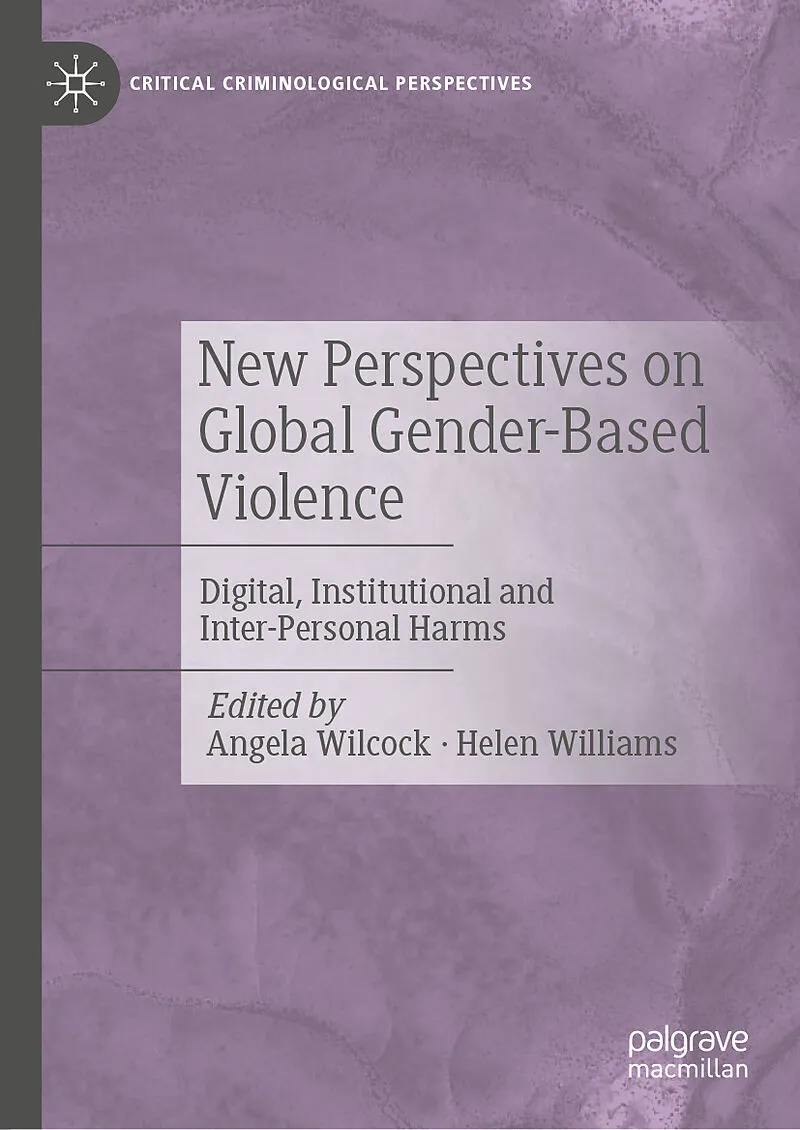
This edited collection reflects the diversity of gender-based violence and presents new perspectives and expands current scholarship in global contexts. It considers behaviours and actions including digital, interpersonal and institutional violence which are ...
This edited collection reflects the diversity of gender-based violence and presents new perspectives and expands current scholarship in global contexts. It considers behaviours and actions including digital, interpersonal and institutional violence which are not readily understood as violence but are experienced as inherently harmful. It showcases how digital technology permeates violence and harm in diverse ways whether this be via surveillance technology, harmful ideology or hate speech online or the globalised nature of the internet. With reflections on how people can research and challenge gender-based violence and harm in the future, it speaks to those interested in digital harm across Sociology, Criminology, Psychology, Youth Studies, Education, Law, Media and/or Cultural Studies.
Considers how digital violence and harms can be facilitated through technological landscapes Discusses how technology intertwines with cultural, social and structural barriers Incorporates innovative international methodological frameworks
Autorentext
Angela Wilcock is Senior Lecturer in Criminology at the University of Sunderland, UK, as well as having a professional background with vast experience in front-line service provision, working with the most marginalised groups in society.
Helen Williams is Senior Lecturer in Criminology at the University of Sunderland, UK. She engages in research on the state and social regulation of sex and sexuality and has published on slut-shaming, sex work and sexual violence.
Inhalt
1 Introduction: New Perspectives on Global Gender-Based Violence - Angela Wilcock and Helen Williams.- Part I Digital Violence and Harm.- 2 Trolling or 'Banter': How the Normalisation of Technology-Facilitated Violence Can Dehumanise the (Un)Deserving Victim - Lauren Steckles-Young.- 3 Technology-Facilitated Violence and Gender-Based Harm: Investigative Challenges from the Perspective of the Police, Prosecutors, and Support Services in Finland - Sisko Piippo, Marianne Mela, Jarmo Houtsonen, Sonja Tihverainen, and Marita Husso.- 4 Refracted Realities: A Queer Ecofeminist Analysis of Gender Non-conformity, Hate Speech, and Legal Dynamics in the Moroccan Digital Sphere - Asmae Ourkiya.- 5 From Screens to Streets: The Blurred Boundaries Between Perpetrators and Victims of Gender-Based Violences - Meghan Ramsden, Amanda Lee, and Matthew Lee.- Part II Institutional Violence and Harm.- 6 Violence in/Through Gendered Narratives of War: The Case of Iraq and Abu Ghraib - Daniel Santos.- 7 Exploring the Legal Frameworks Around Modern Slavery and Human Trafficking: An In-Depth Examination - Kat Langley.- 8 Gender-Based Violence and Child Protection: Italian Research into the Involvement of Intimate Partner Violence Perpetrators in Helping Interventions - Marco Grassini.- 9 Sexual Violence at Canadian Post-secondary Institutions: Failure to Address Safety with the Absence of Consent Education - Scharie Tavcer.- 10 Institutionalised Gender-Based Harm: Transgender and Non-binary Students' Experiences of Harm at University - Helen Williams, Nicola Roberts, and William Webster.- Part III Interpersonal Violence and Harm.- 11 Romance Fraud in China - Bing Han.- 12 'It's Not Who You Know, It's Who Knows You': Understanding Outing and Doxxing as a Form of Violence Against Sex Workers - Rosie Hodsdon, Raven Bowen, and B.- 13 The Impact of Stigma Following Migratory Marriage to the UK: Challenges to the Racialisation of the Thai Bride - Angela Wilcock.- 14 Conclusion: Final Remarks - Helen Williams and Angela Wilcock.