
IHR WARENKORB IST AKTUELL LEER.
Haben Sie noch nichts passendes gefunden? Stöbern Sie durch unser komplettes Sortiment.
Oder melden Sie sich an bzw. registrieren Sie sich.
- Kostenlose Lieferung
- Kauf auf Rechnung
- Ex Libris Tiefpreis
- Filiallieferung und 650+ Abholorte
- Rabatt-Bons als Club-Mitglied
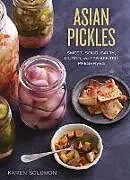
Asian Pickles
Beschreibung
Zusatztext I love this book! Karen Solomon has spent years exploring the remarkably varied pickling styles of Asia. This is among the very best books I've encountered on pickling! and it goes beyond pickling itself with recipes for foods used in or served with...Format auswählen
- Livre ReliéCHF 27.90
Wird oft zusammen gekauft
Andere Kunden kauften auch
Beschreibung
Zusatztext I love this book! Karen Solomon has spent years exploring the remarkably varied pickling styles of Asia. This is among the very best books I've encountered on pickling! and it goes beyond pickling itself with recipes for foods used in or served with pickles. Karen's descriptions of technique are clear and crisp! and her personal tone made me feel as if she were whispering encouragement in my ear. -Sandor Ellix Katz! author of The Art of Fermentation In this culinary passport to Asia! Karen Solomon helps you discover the delicate flavors and complex spices of pickles you didn't know existed. A delicious roadmap for pickle lovers everywhere! -Lauryn Chun! author of The Kimchi Cookbook With this book! Karen Solomon has forever updated the American pickle canon. Featuring both truly traditional Asian pickles and her varied and inspiring adaptations! it is required reading for all home preservers. -Marisa McClellan! creator of Food In Jars Informationen zum Autor Karen Solomon Klappentext From authentic Korean kimchi, Indian chutney, and Japanese tsukemono to innovative combinations ranging from mild to delightfully spicy, the time-honored traditions of Asian pickling are made simple and accessible in this DIY guide . Asian Pickles introduces the unique ingredients and techniques used in Asian pickle-making, including a vast array of quick pickles for the novice pickler, and numerous techniques that take more adventurous cooks beyond the basic brine. With fail-proof instructions, a selection of helpful resources, and more than seventy-five of the most sought-after pickle recipes from the EastKorean Whole Leaf Cabbage Kimchi, Japanese Umeboshi, Chinese Preserved Vegetable, Indian Coconut-Cilantro Chutney, Vietnamese Daikon and Carrot Pickle, and more Asian Pickles is your passport to explore this region's preserving possibilities. Leseprobe Introduction My dear fellow pickling aficionados, given the choice of any global cuisine for nearly any meal of the day, my tastes and preferences will always point East. My meals include stir-fries, broths zupped up by preserved lemon or ginger, noodles of every imaginable type, savory pancakes, rice porridge, and, of course, several bowls of good ol' Nishiki or jasmine steamed rice. My favorite brunch item ever is served at Namu Gaji in San Francisco: two sous vide eggs bobbing in an outstanding bowl of homemade dashi, served alongside rice, fried oysters, and house-made kimchi. That soothing, salty, full-flavored and fermented feast is what I crave. Despite the fact that my first two cookbooks are always shelved with the jam making and canning books, I am a fan of kitchen tinkering of all stripes. I live for drying, salting, curing, marinating, and brining. I am simply fascinated by the meditative practice of taking a foodstuff and transforming it with little more than salt or sugar, heat or moisture, time and magical bacteria. Enter the humble pickle. Although I love all of my kitchen creations the way a mother hen loves her flock, pickles have truly captured my heart (and my stomach!). I swear, I could live on little more than hot rice and cold pickles, provided they are crisp, flavorful, pungent, and bright. It is only natural that, with so many Asian flavors spilling from my dinner bowl plus so many years of traveling to Asia and living there for a spell, my interest would turn to pickles of the Asian continent. Although many of these pickles have clear and immediate appealafter all, who doesn't love fresh vegetables dunked in a bath of vinegar and sugar?it is the ones that have the most challenging flavors that I find the most pleasurable and rewarding. (I'm looking at you , pickled squid, nukazuke, and achar!) Naturally, after tinkering in my own kitchen trying my hand at pickling in rice bran, soy sauce, ci...
Autorentext
Karen Solomon
Klappentext
From authentic Korean kimchi, Indian chutney, and Japanese tsukemono to innovative combinations ranging from mild to delightfully spicy, the time-honored traditions of Asian pickling are made simple and accessible in this DIY guide.
Asian Pickles introduces the unique ingredients and techniques used in Asian pickle-making, including a vast array of quick pickles for the novice pickler, and numerous techniques that take more adventurous cooks beyond the basic brine. With fail-proof instructions, a selection of helpful resources, and more than seventy-five of the most sought-after pickle recipes from the East—Korean Whole Leaf Cabbage Kimchi, Japanese Umeboshi, Chinese Preserved Vegetable, Indian Coconut-Cilantro Chutney, Vietnamese Daikon and Carrot Pickle, and more—Asian Pickles is your passport to explore this region’s preserving possibilities.
Leseprobe
Introduction
My dear fellow pickling aficionados, given the choice of any global cuisine for nearly any meal of the day, my tastes and preferences will always point East. My meals include stir-fries, broths zupped up by preserved lemon or ginger, noodles of every imaginable type, savory pancakes, rice porridge, and, of course, several bowls of good ol’ Nishiki or jasmine steamed rice. My favorite brunch item ever is served at Namu Gaji in San Francisco: two sous vide eggs bobbing in an outstanding bowl of homemade dashi, served alongside rice, fried oysters, and house-made kimchi. That soothing, salty, full-flavored and fermented feast is what I crave.
Despite the fact that my first two cookbooks are always shelved with the jam making and canning books, I am a fan of kitchen tinkering of all stripes. I live for drying, salting, curing, marinating, and brining. I am simply fascinated by the meditative practice of taking a foodstuff and transforming it with little more than salt or sugar, heat or moisture, time and magical bacteria.
Enter the humble pickle. Although I love all of my kitchen creations the way a mother hen loves her flock, pickles have truly captured my heart (and my stomach!). I swear, I could live on little more than hot rice and cold pickles, provided they are crisp, flavorful, pungent, and bright. It is only natural that, with so many Asian flavors spilling from my dinner bowl plus so many years of traveling to Asia and living there for a spell, my interest would turn to pickles of the Asian continent. Although many of these pickles have clear and immediate appeal—after all, who doesn’t love fresh vegetables dunked in a bath of vinegar and sugar?—it is the ones that have the most challenging flavors that I find the most pleasurable and rewarding. (I’m looking at you, pickled squid, nukazuke, and achar!) Naturally, after tinkering in my own kitchen trying my hand at pickling in rice bran, soy sauce, citrus juices, and fish sauce, I set out to buy a cookbook that could teach me deeply about Asian pickles. While I found a few great books on pickles of individual countries, I did not find the pan-Asian pickling experience in recipe form, equipped with descriptions of ingredients and unfamiliar techniques, that I had a yen for. It was clear that I was going to have to write it instead.
So how did I set about on this global task? By stuffing my brain and my mouth full of every flavor of each country represented as much as possible. I set out on an epic research project: relying not just on personal experience from my own travels, but also other cookbooks, countless blogs, San Francisco’s manifold authentic eateries and supermarkets, and friends, friend’s mothers, and grandmothers. I also pestered chefs and as many people working in the trenches as I could—literally strangers who were experts at the craft and working behind deli cases, ringing cash registers, and waiting tables—to share their techniques, ingredients, and tips. And, of course, as any cookbook author will tell you, there is also nothing that can replace good ol’ trial and err…