
IHR WARENKORB IST AKTUELL LEER.
Haben Sie noch nichts passendes gefunden? Stöbern Sie durch unser komplettes Sortiment.
Oder melden Sie sich an bzw. registrieren Sie sich.
- Kostenlose Lieferung
- Kauf auf Rechnung
- Ex Libris Tiefpreis
- Filiallieferung und 650+ Abholorte
- Rabatt-Bons als Club-Mitglied
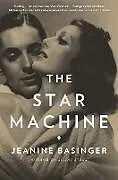
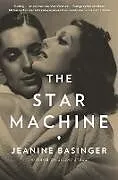
The Star Machine
Beschreibung
Startling. . . . An enormous new book of star lore . . . Basinger nestles with almost delicious comfort into the intimate procedures of star manufacture. The New Yorker Luxurious, often delicious. . . . Ms. Basinger tells her story with her customary verve and...Format auswählen
- Kartonierter EinbandCHF 21.10
Wird oft zusammen gekauft
Andere Kunden kauften auch
Beschreibung
Startling. . . . An enormous new book of star lore . . . Basinger nestles with almost delicious comfort into the intimate procedures of star manufacture. The New Yorker Luxurious, often delicious. . . . Ms. Basinger tells her story with her customary verve and sass-she's the Rosalind Russell of film historians. The New York Observer Entertaining and informative. . . . [Basinger], whose enthusiasm for movies is reflected on every page, has a deft way of encapsulating the kernel of an actor's attraction. Chicago Sun-Times Engaging. . . . Smart, deeply researched but also chatty and fast-flowing. . . . Basinger's study of the studios' relentless spin control makes an instructive prism through which to view long skeins of Hollywood film history. Los Angeles Times Informationen zum Autor Jeanine Basinger is the chair of film studies at Wesleyan University and the curator of the cinema archives there. She has written nine other books on film, including A Woman's View: How Hollywood Spoke to Women 19301960 ; Silent Stars , winner of the William K. Everson Award for Film History; The World War II Combat Film: Anatomy of a Genre ; and American Cinema: 100 Years of Filmmaking , the companion book for a ten-part PBS series. She lives with her husband in Middletown, Connecticut. Klappentext From one of our most distinguished film scholars, comes a rich, penetrating, amusing book about the golden age of movies and how the studios worked to manufacture stars. With revelatory insights and delightful asides, Jeanine Basinger shows us how the studio "star machine worked when it worked, how it failed when it didn't, and how irrelevant it could sometimes be. She gives us case studies focusing on big stars groomed into the system: the "awesomely beautiful (and disillusioned) Tyrone Power; the seductive, disobedient Lana Turner; and a dazzling cast of others. She anatomizes their careers, showing how their fame happened, and what happened to them as a result. Deeply engrossing, full of energy, wit, and wisdom, The Star Machine is destined to become an classic of the film canon. Leseprobe Part One: Stars and the Factory System It's a crackpot business that sets out to manufacture a product it can't even define, but that was old Hollywood. Thousands of people in the movie business made a Wizard-of-Oz living, working hidden levers to present an awe-inspiring display on theatre screens: Movie Stars! Hollywood made 'em and sold 'em daily, gamely producing a product for which its creators had no concrete explanation. Sometimes they made films that told the story of their own star-making business, and even then they couldn't say what exactly a movie star was. They just trusted that the audience wouldn't need an explanation because it would believe what it was seeingstar presencecould verify its own existence. She's got that little something extra, muses James Mason in 1954's A Star Is Born , quoting actress Ellen Terry for credibility. Since he's talking about Judy Garland as he watches her sing The Man That Got Away, the point is made. (She has something! cries out Lowell Sherman when he spies waitress Constance Bennett in the earlier version of the story, What Price Hollywood? ) Hollywood just told people that he or she or it (let's not forget Rin Tin Tin and Trigger) had that little something extra and let it go at that. As a definition, it wasn't much, but it was all anyone neededand there's no arguing with it. The truth is that nobodyeither then or nowcan define what a movie star is except by specific example,[1] but the workaday world of moviemaking never gave up trying to figure it out. As soon as the business realized that moviegoers wanted to see stars, they grappled with trying to find a useful definition for the phenomenon of mo...
Autorentext
Jeanine Basinger is the chair of film studies at Wesleyan University and the curator of the cinema archives there. She has written nine other books on film, including A Woman's View: How Hollywood Spoke to Women 1930–1960; Silent Stars, winner of the William K. Everson Award for Film History; The World War II Combat Film: Anatomy of a Genre; and American Cinema: 100 Years of Filmmaking, the companion book for a ten-part PBS series. She lives with her husband in Middletown, Connecticut.
Klappentext
From one of our most distinguished film scholars, comes a rich, penetrating, amusing book about the golden age of movies and how the studios worked to manufacture stars.
With revelatory insights and delightful asides, Jeanine Basinger shows us how the studio "star machine” worked when it worked, how it failed when it didn't, and how irrelevant it could sometimes be. She gives us case studies focusing on big stars groomed into the system: the "awesomely beautiful” (and disillusioned) Tyrone Power; the seductive, disobedient Lana Turner; and a dazzling cast of others. She anatomizes their careers, showing how their fame happened, and what happened to them as a result. Deeply engrossing, full of energy, wit, and wisdom, The Star Machine is destined to become an classic of the film canon.
Zusammenfassung
ONE OF THE HOLLYWOOD REPORTER'S 100 GREATEST FILM BOOKS OF ALL TIME • From one of our most distinguished film scholars, comes a rich, penetrating, amusing book about the golden age of movies and how the studios worked to manufacture stars.
With revelatory insights and delightful asides, Jeanine Basinger shows us how the studio “star machine” worked when it worked, how it failed when it didn't, and how irrelevant it could sometimes be. She gives us case studies focusing on big stars groomed into the system: the “awesomely beautiful” (and disillusioned) Tyrone Power; the seductive, disobedient Lana Turner; and a dazzling cast of others. She anatomizes their careers, showing how their fame happened, and what happened to them as a result. Deeply engrossing, full of energy, wit, and wisdom, The Star Machine is destined to become an classic of the film canon.
Leseprobe
Part One: Stars and the Factory System
It’s a crackpot business that sets out to manufacture a product it can’t even define, but that was old Hollywood. Thousands of people in the movie business made a Wizard-of-Oz living, working hidden levers to present an awe-inspiring display on theatre screens: Movie Stars! Hollywood made ’em and sold ’em daily, gamely producing a product for which its creators had no concrete explanation. Sometimes they made films that told the story of their own star-making business, and even then they couldn’t say what exactly a movie star was. They just trusted that the audience wouldn’t need an explanation because it would believe what it was seeing—star presence—could verify its own existence. “She’s got that little something extra,” muses James Mason in 1954’s A Star Is Born, quoting actress Ellen Terry for credibility. Since he’s talking about Judy Garland as he watches her sing “The Man That Got Away,” the point is made. (“She has something!” cries out Lowell Sherman when he spies waitress Constance Bennett in the earlier version of the story, What Price Hollywood?) Hollywood just told people that “he” or “she” or “it” (let’s not forget Rin Tin Tin and Trigger) had “that little something extra” and let it go at that. As a definition, it wasn’t much, but it was all anyone needed—and there’s no arguing with it.
The truth is that nobody—either then or now—can define what a movie star is except by specific example,[1] but the workaday world of moviemaking never gave up trying to figure it out. As soon as the business realized that moviegoers wanted to see stars, they grappled with trying to find a usefu…