Northanger Abbey
Beschreibung
During an eventful season at Bath, young, naive Catherine Morland experiences the joys of fashionable society for the first time. She is delighted with her new acquaintances: flirtatious Isabella, who shares Catherine's love of Gothic romance and horror, ...Format auswählen
- Fester EinbandCHF 27.10
- Kartonierter EinbandCHF 14.60
- E-Book (epub)CHF 5.50
- Kartonierter EinbandCHF 14.60

Wird oft zusammen gekauft
Andere Kunden kauften auch
Beschreibung
During an eventful season at Bath, young, naive Catherine Morland experiences the joys of fashionable society for the first time. She is delighted with her new acquaintances: flirtatious Isabella, who shares Catherine's love of Gothic romance and horror, and sophisticated Henry and Eleanor Tilney, who invite her to their father's mysterious house.
Zusatztext Jane Austen is the Rosetta stone of literature. Anna Quindlen Informationen zum Autor Jane Austen was an English novelist whose works of romantic fiction set among the gentry have earned her a place as one of the most widely read and most beloved writers in English literature. She was born in Steventon rectory on 16th December 1775. Her family later moved to Bath and then to Chawton in Hampshire. She wrote from a young age and Pride and Prejudice was begun when she was twenty-two years old. It was initially rejected by the publisher she submitted it to and eventually published in 1813 after much revision. All four of her novels - Sense and Sensibility (1811), Pride and Prejudice (1813), Mansfield Park (1814) and Emma (1815) published in her lifetime were published anonymously. Jane Austen died on 18th July 1817. Northanger Abbey and Persuasion (both 1817) were published posthumously. Klappentext Part of Penguin's beautiful hardback Clothbound Classics series, designed by the award-winning Coralie Bickford-Smith, these delectable and collectible editions are bound in high-quality colourful, tactile cloth with foil stamped into the design. During an eventful season at Bath, young, naïve Catherine Morland experiences the joys of fashionable society for the first time. She is delighted with her new acquaintances: flirtatious Isabella, who shares Catherine's love of Gothic romance and horror, and sophisticated Henry and Eleanor Tilney, who invite her to their father's mysterious house, Northanger Abbey. There, her imagination influenced by novels of sensation and intrigue, Catherine imagines terrible crimes committed by General Tilney. With its broad comedy and irrepressible heroine, this is the most youthful and and optimistic of Jane Austen's works. Chapter 1 No one who had ever seen Catherine Morland in her infancy wouldhave supposed her born to be an heroine. Her situation in life, thecharacter of her father and mother; her own person and disposition,were all equally against her. Her father was a clergyman, withoutbeing neglected, or poor, and a very respectable man, thoughhis name was Richardand he had never been handsome. He had aconsiderable independence besides two good livingsand he wasnot in the least addicted to locking up his daughters. Her motherwas a woman of useful plain sense, with a good temper, and, whatis more remarkable, with a good constitution. She had three sonsbefore Catherine was born; and instead of dying in bringing thelatter into the world, as anybody might expect, she still livedonlived to have six children moreto see them growing uparound her, and to enjoy excellent health herself. A family often children will be always called a fine family, where there areheads and arms and legs enough for the number; but the Morlandshad little other right to the word, for they were in general veryplain, and Catherine, for many years of her life, as plain as any.She had a thin awkward figure, a sallow skin without colour, darklank hair, and strong features;so much for her person; and notless unpropitious for heroism seemed her mind. She was fond ofall boy's plays, and greatly preferred cricket not merely to dolls,but to the more heroic enjoyments of infancy, nursing a dormouse,feeding a canary-bird, or watering a rose-bush. Indeed she had notaste for a garden; and if she gathered flowers at all, it was chieflyfor the pleasure of mischiefat least so it was conjectured fromher always preferring those which she was forbidden to take. Suchwere her propensitiesher abilities were quite as extraordinary.She never could learn or understand anything before she was taught;and sometimes not even then, for she was often inattentive, andoccasionally stupid. Her mother was three months in teaching heronly to repeat the "Beggar's Petition"; and after all, her nextsister, Sally, could say it better than she did. Not that Catherinewa...
#8220;Jane Austen is the Rosetta stone of literature.” —Anna Quindlen
Autorentext
Jane Austen was an English novelist whose works of romantic fiction set among the gentry have earned her a place as one of the most widely read and most beloved writers in English literature. She was born in Steventon rectory on 16th December 1775. Her family later moved to Bath and then to Chawton in Hampshire. She wrote from a young age and Pride and Prejudice was begun when she was twenty-two years old. It was initially rejected by the publisher she submitted it to and eventually published in 1813 after much revision. All four of her novels - Sense and Sensibility (1811), Pride and Prejudice (1813), Mansfield Park (1814) and Emma (1815) published in her lifetime were published anonymously. Jane Austen died on 18th July 1817. Northanger Abbey and Persuasion (both 1817) were published posthumously.
Klappentext
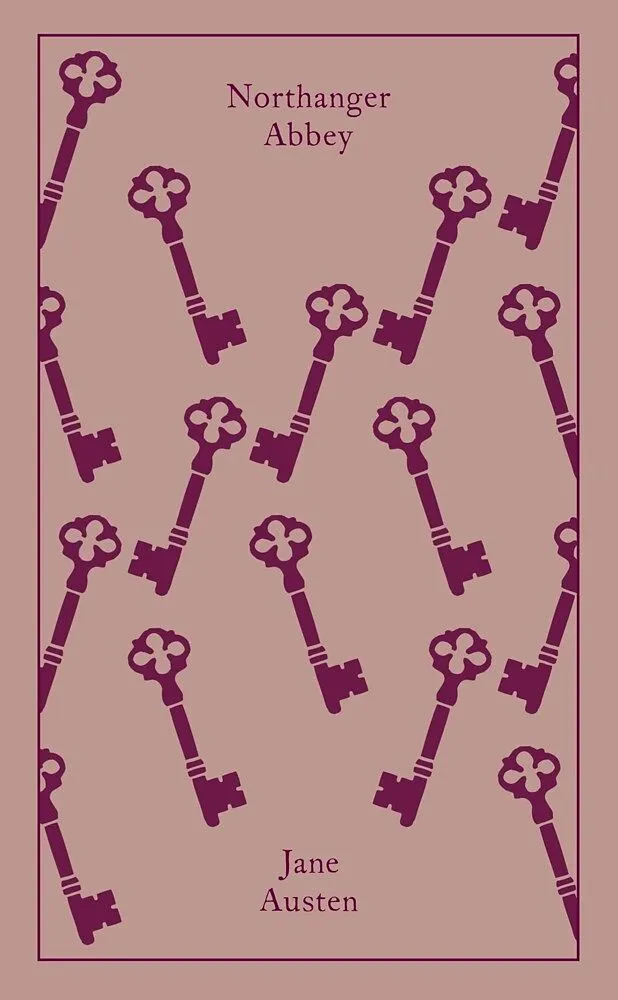
Part of Penguin's beautiful hardback Clothbound Classics series, designed by the award-winning Coralie Bickford-Smith, these delectable and collectible editions are bound in high-quality colourful, tactile cloth with foil stamped into the design. During an eventful season at Bath, young, naïve Catherine Morland experiences the joys of fashionable society for the first time. She is delighted with her new acquaintances: flirtatious Isabella, who shares Catherine's love of Gothic romance and horror, and sophisticated Henry and Eleanor Tilney, who invite her to their father's mysterious house, Northanger Abbey. There, her imagination influenced by novels of sensation and intrigue, Catherine imagines terrible crimes committed by General Tilney. With its broad comedy and irrepressible heroine, this is the most youthful and and optimistic of Jane Austen's works.
Leseprobe
Chapter 1
No one who had ever seen Catherine Morland in her infancy wouldhave supposed her born to be an heroine. Her situation in life, thecharacter of her father and mother; her own person and disposition,were all equally against her. Her father was a clergyman, withoutbeing neglected, or poor, and a very respectable man, thoughhis name was Richard—and he had never been handsome. He had aconsiderable independence besides two good livings—and he wasnot in the least addicted to locking up his daughters. Her motherwas a woman of useful plain sense, with a good temper, and, whatis more remarkable, with a good constitution. She had three sonsbefore Catherine was born; and instead of dying in bringing thelatter into the world, as anybody might expect, she still livedon—lived to have six children more—to see them growing uparound her, and to enjoy excellent health herself. A family often children will be always called a fine family, where there areheads and arms and legs enough for the number; but the Morlandshad little other right to the word, for they were in general veryplain, and Catherine, for many years of her life, as plain as any.She had a thin awkward figure, a sallow skin without colour, darklank hair, and strong features;—so much for her person; —and notless unpropitious for heroism seemed her mind. She was fond ofall boy's plays, and greatly preferred cricket not merely to dolls,but to the more heroic enjoyments of infancy, nursing a dormouse,feeding a canary-bird, or watering a rose-bush. Indeed she had notaste for a garden; and if she gathered flowers at all, it was chieflyfor the pleasure of mischief—at least so it was conjectured fromher always preferring those which she was forbidden to take. —Suchwere her propensities—her abilities were quite as extraordinary.She never…