Beschreibung
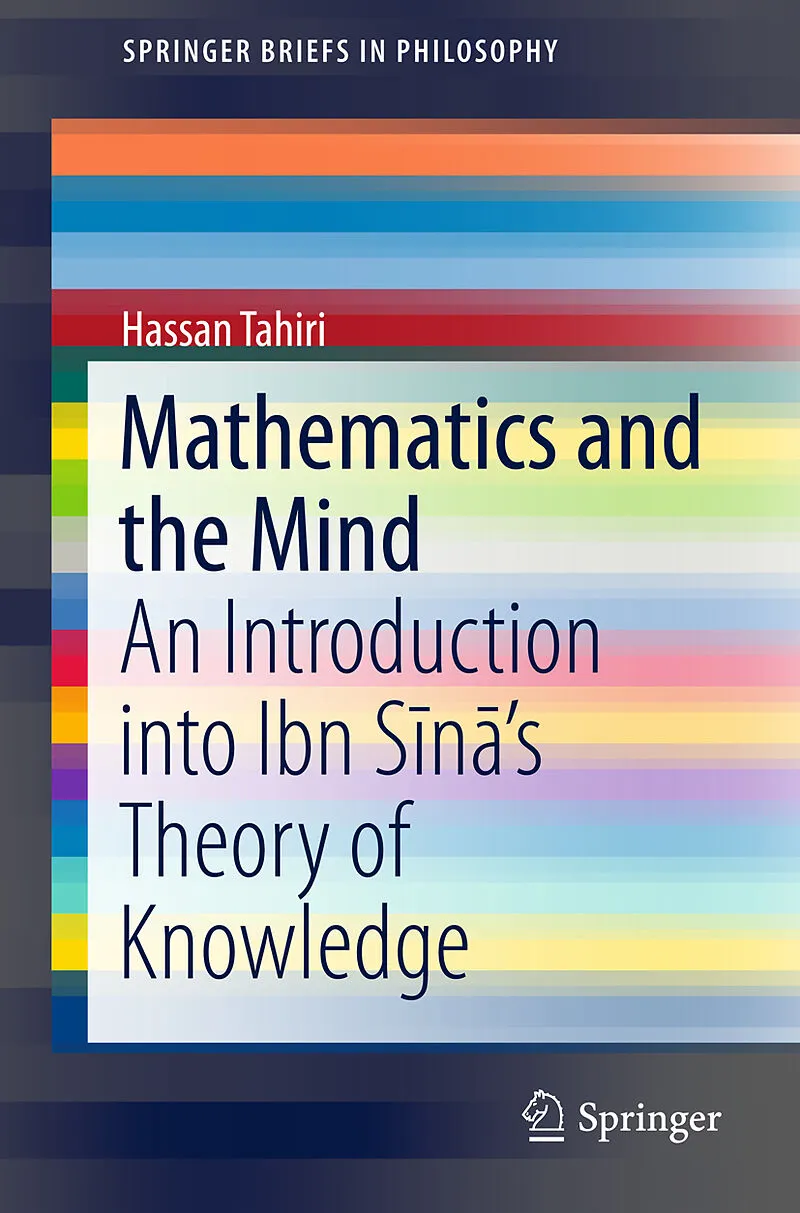
This book examines how epistemology was reinvented by Ibn Sn, an influential philosopher-scientist of the classical Islamic world who was known to the West by the Latinised name Avicenna. It explains his theory of knowledge in which intentionality acts as an ...This book examines how epistemology was reinvented by Ibn Sn, an influential philosopher-scientist of the classical Islamic world who was known to the West by the Latinised name Avicenna. It explains his theory of knowledge in which intentionality acts as an interaction between the mind and the world. This, in turn, led Ibn Sn to distinguish an operation of intentionality specific to the generation of numbers.
The author argues that Ibn Sn's transformation of philosophy is one of the major stages in the de-hellinisation movement of the Greek heritage that was set off by the advent of the Arabic-Islamic civilisation. Readers first learn about Ibn Sn's unprecedented investigation into the concept of the number and his criticism of such Greek thought as Plato's realism, Pythagoreans' empiricism, and Ari stotle's conception of existence. Next, coverage sets out the basics of Ibn Sn's theory of knowledge needed for the construction of numbers. It describes how intentionality turns out to be key in showing the ontological dependence of numbers as well as even more critical to their construction.
In describing the various mental operations that make mathematical objects intentional entities, Ibn Sn developed powerful arguments and subtle analyses to show us the extent our mental life depends on intentionality. This monograph thoroughly explores the epistemic dimension of this concept, which, the author believes, can also explain the actual genesis and evolution of mathematics by the human mind.
Studies an overlooked area in the contemporary analytic philosophy of mathematics Reflects the recovery of an old new epistemology Is a pointer and a reminder of the gaps in the history of the development of science Includes supplementary material: sn.pub/extras
Klappentext
This book examines how epistemology was reinvented by Ibn S n , an influential philosopher-scientist of the classical Islamic world who was known to the West by the Latinised name Avicenna. It explains his theory of knowledge in which intentionality acts as an interaction between the mind and the world. This, in turn, led Ibn S n to distinguish an operation of intentionality specific to the generation of numbers. The author argues that Ibn S n s transformation of philosophy is one of the major stages in the de-hellinisation movement of the Greek heritage that was set off by the advent of the Arabic-Islamic civilisation. Readers first learn about Ibn S n s unprecedented investigation into the concept of the number and his criticism of such Greek thought as Platös realism, Pythagoreans empiricism, and Aristotle s conception of existence. Next, coverage sets out the basics of Ibn S n s theory of knowledge needed for the construction of numbers. It describes how intentionality turns out to be key in showing the ontological dependence of numbers as well as even more critical to their construction. In describing the various mental operations that make mathematical objects intentional entities, Ibn S n developed powerful arguments and subtle analyses to show us the extent our mental life depends on intentionality. This monograph thoroughly explores the epistemic dimension of this concept, which, the author believes, can also explain the actual genesis and evolution of mathematics by the human mind.
Inhalt
Chapter 1 The Reinvention of Knowledge.- Chapter 2 Ibn Sn and the Reinvention of Epistemology.- Chapter 3 Refutation of the Greek Conception of Number.- Chapter 4 Ibn Sn's Basic Theory of Knowledge: Existence, Intentionality, Memory.- Chapter 5 The Logico-Epistemic Construction of Numbers.- Chapter 6 Concluding Remarks.<p
10%