
IHR WARENKORB IST AKTUELL LEER.
Haben Sie noch nichts passendes gefunden? Stöbern Sie durch unser komplettes Sortiment.
Oder melden Sie sich an bzw. registrieren Sie sich.
- Kostenlose Lieferung
- Kauf auf Rechnung
- Ex Libris Tiefpreis
- Filiallieferung und 650+ Abholorte
- Rabatt-Bons als Club-Mitglied
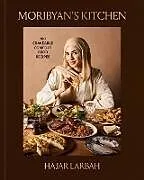
Moribyan's Kitchen
Beschreibung
100 unfussy, comfort food recipes from the creator of Moribyan, including easy weeknight dinners, popular restaurant remakes, irresistible baked goods, and the flavorful Moroccan and Libyan dishes she grew up on. On her wildly popular online platform, Moribyan...Format auswählen
- Fester EinbandCHF 37.20
Wird oft zusammen gekauft
Andere Kunden kauften auch
Beschreibung
100 unfussy, comfort food recipes from the creator of Moribyan, including easy weeknight dinners, popular restaurant remakes, irresistible baked goods, and the flavorful Moroccan and Libyan dishes she grew up on. On her wildly popular online platform, Moribyan, Hajar Larbah is known for sharing crave-worthy dishes that always deliver on flavor and quality without being overly complicated. With her carefully crafted recipes perfected for home cooks, from internet-famous comfort foods like Lasagna Soup to globally inspired dishes like Creamy Butter Chicken , Hajar’s cooking brings big flavor without the fuss. In Breakfast and Brunch: Cinnamon Roll Pancakes; Fried Chicken, Egg, and Cheese Biscuit Sandwiches; Strawberries and Cream Croissant French Toast Bake Weeknight Wins: Honey Harissa Glazed Lamb Chops; French Onion Pasta; Chicken Shawarma Sheet Pan Bake Restaurant Remakes: Din Tai Fung Cucumber Salad; Taco Bell Cheesy Gordita Crunch; Costco Chicken Bake Sweet Treats: Tiramisu Brownie Bars; Cookies & Cream Tres Leches Cake; White Chocolate Raspberry Cheesecake Middle Eastern: Zaalouk (Moroccan Roasted Eggplant Dip); Embatna (Libyan Fried Potatoes Stuffed with Beef); Djaj Mhammar (Moroccan Roasted Chicken Oven Bake) For Hajar, cooking is the ultimate expression of love, and <Moribyan''s Kitchen< is designed to make the comfort of a home cooked meal accessible to everyone.
Autorentext
Hajar Larbah
Zusammenfassung
100 unfussy, comfort food recipes from the creator of Moribyan, including 30-minute dinners, one-pot and sheet pan suppers, popular restaurant remakes, decadent desserts, and the flavorful Moroccan and Libyan dishes she grew up on.
On her wildly popular online platform, Moribyan, Hajar Larbah is known for sharing crave-worthy dishes that always deliver on flavor and quality without being overly complicated. With her carefully crafted recipes perfected for home cooks, from internet-famous comfort foods like Lasagna Soup to globally inspired dishes like Creamy Butter Chicken, Hajar’s cooking brings big flavor without the fuss.
In Moribyan's Kitchen, Hajar presents 100 recipes for every meal that are bold, cozy, and super easy. You'll find cherished family recipes for the Moroccan and Libyan meals she grew up on in addition to inventive restaurant remakes that bring the excitement of viral dishes right into your kitchen. There's even a whole chapter devoted to quick and easy, weeknight-friendly options. The diverse range of recipes are sure to satisfy any craving, with chapters including:
- Breakfast and Brunch: Cinnamon Roll Pancakes; Fried Chicken, Egg, and Cheese Biscuit Sandwiches; Strawberries and Cream Croissant French Toast Bake
- Weeknight Wins: Honey Harissa Glazed Lamb Chops; French Onion Pasta; Chicken Shawarma Sheet Pan Bake
- Restaurant Remakes: Din Tai Fung Cucumber Salad; Taco Bell Cheesy Gordita Crunch; Costco Chicken Bake
- Sweet Treats: Tiramisu Brownie Bars; Cookies & Cream Tres Leches Cake; White Chocolate Raspberry Cheesecake
- Middle Eastern: Zaalouk (Moroccan Roasted Eggplant Dip); Embatna (Libyan Fried Potatoes Stuffed with Beef); Djaj Mhammar (Moroccan Roasted Chicken Oven Bake)
For Hajar, cooking is the ultimate expression of love, and Moribyan's Kitchen is designed to make the comfort of a home cooked meal accessible to everyone.
Leseprobe
Introduction
In my home growing up, love wasn’t always spoken in the usual three words. It was simmered in stews, folded into warm bread, and tucked into lunchboxes each morning. It was my father wandering the market in search of the ripest fruit, my mother peeling and slicing the treasures he brought home, then quietly leaving a plate on my desk while I studied. On days when the world felt heavy, my mom lifted my spirits with my favorite dish. And when I moved away for college, my sisters always sent me off with my favorite dessert, which they’d bake for me even after a long day at work, just so I’d have something sweet to remind me of home.
Food has always been the way love showed up in my family. Eid meant my mother’s powdered sugar cookies that melted in your mouth. Camping meant my father’s Libyan pasta, stirred with care over an open flame until the whole campsite smelled of warm spices. Picnics with friends were never complete without a North African tuna sandwich loaded with harissa. When I taste those dishes today, what comes back to me isn’t only the flavor, but also the feelings of warmth around the campfire and excitement on holiday mornings.
From as early as I can remember, I was drawn to the kitchen. Being the baby of the family meant I was always at my mother’s side, trailing her like a shadow. Before I ever stirred a pot, I was tagging along to the market, my small hand wrapped around hers as we moved through the busy aisles. I loved helping choose the best cuts of meat, handpicking vegetables, and sniffing bunches of herbs. My proudest moments were when I picked the perfect tomato and my mom would toss it into the bag, affirming my choice. What seemed like a simple errand at the time became my first real lesson in cooking. A meal can only be as good as the ingredients, and choosing them with care is an act of love in itself.
Back home in our kitchen, I would drag a chair to the counter to be closer to the action, peeling garlic, kneading dough, or shaping egg rolls that always came out a little lopsided. My mom never measured in teaspoons or cups; her recipes lived in her hands. Add water until the dough feels right. Stir until it thickens. Taste until it’s good. She taught me that cooking wasn’t about precision so much as intuition—paying attention to your senses and letting the food guide you.
That curiosity only grew every summer when my father and mother took me and my siblings to Libya and Morocco, their respective home countries. I remember sitting cross-legged on the floor outside with all my cousins, helping peel almonds for a special tea my aunt made, the air thick with the smell of roasting nuts. The room filled with laughter as my aunts told tales of the family traditions that shaped them.
Some mornings, I’d wake before my siblings, the house still quiet, and rush downstairs to help my aunt prepare shakshuka. As the smell of stewed tomatoes and peppers filled the kitchen, she’d tell me how the same dish could taste different from city to city or even from one aunt’s kitchen to another’s. Each version was shaped by the region and what ingredients were available—like fish along the sea or lamb in the mountains. History shaped our cuisines, too, as ingredients and techniques introduced through colonization became interwoven with our own traditions. My summers in North Africa weren’t about cooking itself but about discovering the stories that lived inside each recipe.
Back at home in California, that curiosity turned into obsession. I was glued to Food Network, filling notebooks with recipes and rushing to the kitchen to try them out. Weekends were spent baking anything that caught my interest, then bringing trays of cookies and cupcakes to school for friends to taste.
Fast-forward to my freshman year of college, when I lived hours away from family and felt homesick. I found myself turning to the kitchen even more; food was at the center of so many of my core memories, so it felt natural to want a space where I could keep those stories and recipes alive.
One afternoon, sitting in a cozy coffee shop on campus, I decided to start a food blog. I came up with the name Moribyan—a blend of the words “Moroccan” and “Libyan”—as a tribute to my parents and the cultures that shaped me. In the beginning, it was barely ten people reading along—mostly friends and fami…