
IHR WARENKORB IST AKTUELL LEER.
Haben Sie noch nichts passendes gefunden? Stöbern Sie durch unser komplettes Sortiment.
Oder melden Sie sich an bzw. registrieren Sie sich.
- Kostenlose Lieferung
- Kauf auf Rechnung
- Ex Libris Tiefpreis
- Filiallieferung und 650+ Abholorte
- Rabatt-Bons als Club-Mitglied
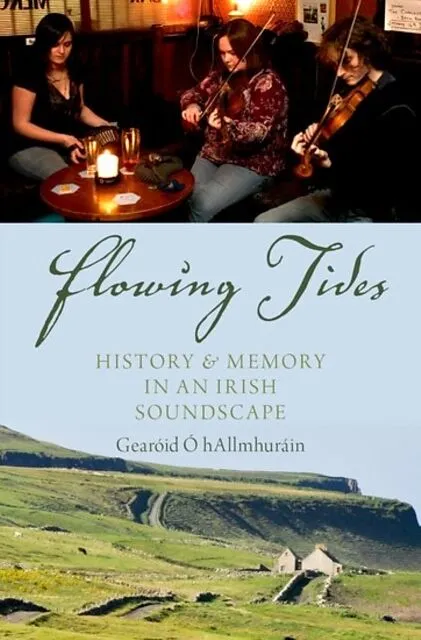
Flowing Tides
Beschreibung
Zusatztext This is a rewarding and valuable book, successfully integrating close detail with a longue durée approach, and it is particularly notable for its emphasis on how Clare's traditional music soundscape has been continuously shaped by cultural flows bot...Format auswählen
- Fester EinbandCHF 111.60

Wird oft zusammen gekauft
Andere Kunden kauften auch
Beschreibung
Zusatztext This is a rewarding and valuable book, successfully integrating close detail with a longue durée approach, and it is particularly notable for its emphasis on how Clare's traditional music soundscape has been continuously shaped by cultural flows both local and global, and its refusal to lapse into such binaries as 'tradition and innovation. Informationen zum Autor Professor Gearóid Ó hAllmhuráin is an award-winning Irish musician, ethnomusicologist and cultural historian. Formerly Jefferson Smurfit Chair of Irish Studies and Professor of Music at the University of Missouri-St. Louis, he is the inaugural holder of the bilingual Johnson Chair in Québec and Canadian Irish Studies at Concordia University in Montréal. Klappentext Despite its isolation on the western edge of Europe, Ireland occupies vast amounts of space on the music maps of the world. Although deeply rooted in time and place, Irish songs, dances and instrumental traditions have a history of global travel that span the centuries. Whether carried by exiles, or distributed by commercial networks, Irish traditional music is one of the most popular World Music genres, while Clare, on Ireland's Atlantic seaboard, enjoys unrivaled status as a "Home of the Music," a mecca for tourists and aficionados eager to enjoy the authentic sounds of Ireland. For the first time, this remarkable soundscape is explored by an insider-a fourth generation Clare concertina player, uilleann piper and an internationally recognized authority on Irish traditional music. Entrusted with the testimonies, tune lore, and historic field recordings of Clare performers, Gear?id ? hAllmhur?in reveals why this ancient place is a site of musical pilgrimage and how it absorbed the impact of global cultural flows for centuries. These flows brought musical change inwards, while simultaneously facilitating outflows of musical change to the world beyond - in more recent times, through the music of Clare stars like Martin Hayes and the Kilfenora C?il? Band. Placing the testimony of music and music makers at the center of Irish cultural history and working from a palette of disciplines, Flowing Tides explores an Irish soundscape undergoing radical change in the period from the Napoleonic Wars to the Great Famine, from the birth of the nation state to the meteoric rise-and fall-of the Celtic Tiger. It is essential reading for all interested in Irish/Celtic music and culture. Zusammenfassung Whether carried by emigrants and exiles, or distributed by commercial networks, Irish traditional music is one of the most popular World Music genres. Clare, at the western edge of Europe on Ireland's Atlantic seaboard, enjoys unrivaled status as a Home of the Music, a magnet for tourists and aficionados eager to enjoy the authentic sounds of Ireland. Inhaltsverzeichnis Flowing Tides: History and Memory in an Irish SoundscapeTable of ContentsForeword by Harry WhitePrefaceAbout the Companion WebsiteL'entrée: Clare and its SoundscapeOn Europe's EdgeThe Scope of this Book1 Re-centering the Musical PeripheryHarvesting a Sonic ArchiveShifting Cartographies of Place and Mobility2 Napoleon to Parnell: Before and After the FamineAncien Regime Quadrilles and New Musical SpacesGreat Famine: Grim Requiem of the Music MakerFenian Concertinas and Land League BalladsThe Feminization of Musical Space3 Fifers, Tans and Jazzers: Soundscape in TransitionTemperance and Beyond: Fifes, Drums, Brass and ReedClare Music Makers and the Fight for Irish IndependenceThe Roaring Twenties and Dance Hall Days4 Hearth and Clachan: The Musical Year in Rural ClareAnois Teacht an Earraigh: Courting, Fasting, and Rites of SpringTorthaí na Bealtaine: Fairies, Garlands and Crossroad CapersAimsir an Fhómhair: Autumn Threshing, Meitheals and SoiréesCeol an Gheimhridh: Winter Cuaird and Wren Dances5 The Fleadh Down in Ennis: Coming Out of IsolationPipers Three: Ennis, Reid...
Autorentext
Professor Gearóid Ó hAllmhuráin is an award-winning Irish musician, ethnomusicologist and cultural historian. Formerly Jefferson Smurfit Chair of Irish Studies and Professor of Music at the University of Missouri-St. Louis, he is the inaugural holder of the bilingual Johnson Chair in Québec and Canadian Irish Studies at Concordia University in Montréal.
Klappentext
Despite its isolation on the western edge of Europe, Ireland occupies vast amounts of space on the music maps of the world. Although deeply rooted in time and place, Irish songs, dances and instrumental traditions have a history of global travel that span the centuries. Whether carried by exiles, or distributed by commercial networks, Irish traditional music is one of the most popular World Music genres, while Clare, on Ireland's Atlantic seaboard, enjoys unrivaled status as a "Home of the Music," a mecca for tourists and aficionados eager to enjoy the authentic sounds of Ireland. For the first time, this remarkable soundscape is explored by an insider-a fourth generation Clare concertina player, uilleann piper and an internationally recognized authority on Irish traditional music. Entrusted with the testimonies, tune lore, and historic field recordings of Clare performers, Gear�id � hAllmhur�in reveals why this ancient place is a site of musical pilgrimage and how it absorbed the impact of global cultural flows for centuries. These flows brought musical change inwards, while simultaneously facilitating outflows of musical change to the world beyond - in more recent times, through the music of Clare stars like Martin Hayes and the Kilfenora C�il� Band. Placing the testimony of music and music makers at the center of Irish cultural history and working from a palette of disciplines, Flowing Tides explores an Irish soundscape undergoing radical change in the period from the Napoleonic Wars to the Great Famine, from the birth of the nation state to the meteoric rise-and fall-of the Celtic Tiger. It is essential reading for all interested in Irish/Celtic music and culture.
Zusammenfassung
Whether carried by emigrants and exiles, or distributed by commercial networks, Irish traditional music is one of the most popular World Music genres. Clare, at the western edge of Europe on Ireland's Atlantic seaboard, enjoys unrivaled status as a Home of the Music, a magnet for tourists and aficionados eager to enjoy the authentic sounds of Ireland.
Inhalt
- Flowing Tides: History and Memory in an Irish Soundscape
- Table of Contents
- Foreword by Harry White
- Preface
- About the Companion Website
- L'entrée: Clare and its Soundscape
- On Europe's Edge
- The Scope of this Book
- 1 Re-centering the Musical Periphery
- Harvesting a Sonic Archive
- Shifting Cartographies of Place and Mobility
- 2 Napoleon to Parnell: Before and After the Famine
- Ancien Regime Quadrilles and New Musical Spaces
- Great Famine: Grim Requiem of the Music Maker
- Fenian Concertinas and Land League Ballads
- The Feminization of Musical Space
- 3 Fifers, Tans and Jazzers: Soundscape in Transition
- Temperance and Beyond: Fifes, Drums, Brass and Reed
- Clare Music Makers and the Fight for Irish Independence
- The Roaring Twenties and Dance Hall Days
- 4 Hearth and Clachan: The Musical Year in Rural Clare
- Anois Teacht an Earraigh: Courting, Fasting, and Rites of Spring
- Torthaí na Bealtaine: Fairies, Garlands and Crossroad Capers
- Aimsir an Fhómhair: Autumn Threshing, Meitheals and Soirées
- Ceol an Gheimhridh: Winter Cuaird and Wren Dances
- 5 The Fleadh Down in Ennis: Coming Out of Isolation
- Pipers Three: Ennis, Reid and Doran
- Double Bass and Clog Box: Céilí Band Fever
- 1956: Annus Mirabilis
- 6 Autobahn to Doolin: Soundscape as a Cultural Commodity
- Toonagh Pedagogue: A Quiet Musical Revolution
- Doolin Discord: Counter Culture and Pub Culture
- Willie Week: Ireland's Musical Mecca…