
IHR WARENKORB IST AKTUELL LEER.
Haben Sie noch nichts passendes gefunden? Stöbern Sie durch unser komplettes Sortiment.
Oder melden Sie sich an bzw. registrieren Sie sich.
- Kostenlose Lieferung
- Kauf auf Rechnung
- Ex Libris Tiefpreis
- Filiallieferung und 650+ Abholorte
- Rabatt-Bons als Club-Mitglied
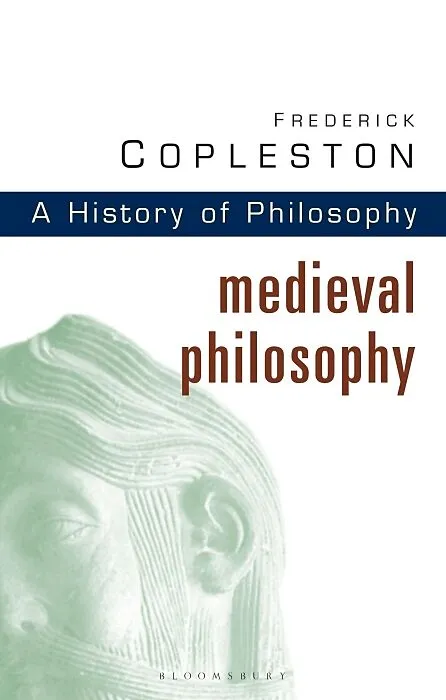
History of Philosophy Vol. 2
Beschreibung
Informationen zum Autor Frederick Copleston was born in Somerset in 1907. After studying at Oxford, he held a number of academic posts, including Professor of the History of Philosophy and Dean of the Faculty of Philosophy at London University. He died in 1994...Format auswählen
- BroschiertCHF 38.00

Wird oft zusammen gekauft
Andere Kunden kauften auch
Beschreibung
Informationen zum Autor Frederick Copleston was born in Somerset in 1907. After studying at Oxford, he held a number of academic posts, including Professor of the History of Philosophy and Dean of the Faculty of Philosophy at London University. He died in 1994. Copleston, an Oxford Jesuit and specialist in the history of philosophy, first created his history as an introduction for Catholic ecclesiastical seminaries. However, since its first publication (the last volume appearing in the mid-1970s) the series has become the classic account for all philosophy scholars and students. The 11-volume series gives an accessible account of each philosopher's work, but also explains their relationship to the work of other philosophers. Vorwort Copleston, in the second volume of A History of Philosophy , deals with the reconciliation of philosophy and theology of the early Christian period to the thirteenth century. Zusammenfassung Copleston, an Oxford Jesuit and specialist in the history of philosophy, created his history as an introduction for Catholic ecclesiastical seminaries. The 11-volume series gives an accessible account of each philosopher's work, and explains their relationship to the work of other philosophers. Inhaltsverzeichnis I Introduction PART I: PRE-MEDIEVAL INFLUENCES II The Patristic PeriodIII St. Augustine IIV St. Augustine II: KnowledgeV St. Augustine III: GodVI St Augustine IV: The WorldVII St Augustine V: Moral TheoryVIII St Augustine VI: The StateIX The Psuedo-DionysusX Boethius, Cassiodorus and Isidore PART II: THE CAROLINGIAN RENAISSANCE XI The Carolingian RenaissanceXII John Scotus Eriugena IXIII John Scotus Eriugena II PART III: THE TENTH, ELEVENTH AND TWELFTH CENTURY XIV The Problem of UniversalsXV St. Anselm of CanterburyXVI The School of ChartresXVII The School of St. VictorXVIII Dualists and Pantheists PART IV: ISLAMIC AND JEWISH PHILOSOPHY: TRANSLATIONS XIX Islamic PhilosophyXX Jewish PhilosophyXXI The Translations PART V: THE THIRTEENTH CENTURY XXII IntroductionXXIII William of AuvergneXXIV Robert Grosseteste and Alexander of HalesXXV St. Bonaventure IXXVI St. Bonaventure II: God's ExistenceXXVII St. Bonaventure III: Relation of Creatures to GodXXVIII St. Bonaventure IV: The Material CreationXXIX St. Bonaventure V: The Human SoulXXX St. Albert the GreatXXXI St. Thomas Aquinas IXXXII St. Thomas Aquinas II: Philosophy and TheologyXXXIII St. Thomas Aquinas III: Principles of Created BeingXXXIV St. Thomas Aquinas IV: Proof of God's ExistenceXXXV: St. Thomas Aquinas V: God's NatureXXXVI: St. Thomas Aquinas VI: CreationXXXVII: St. Thomas Aquinas VII: PsychologyXXXVIII: St. Thomas Aquinas VIII: KnowledgeXXXIX: St. Thomas Aquinas IX: Moral TheoryXL. St. Thomas Aquinas X: Political TheoryXLI. I IntroductionPART I: PRE-MEDIEVAL INFLUENCESII The Patristic PeriodIII St. Augustine IIV St. Augustine II: KnowledgeV St. Augustine III: GodVI St Augustine IV: The WorldVII St Augustine V: Moral TheoryVIII St Augustine VI: The StateIX The Psuedo-DionysusX Boethius, Cassiodorus and Isidore PART II: THE CAROLINGIAN RENAISSANCE XI The Carolingian RenaissanceXII John Scotus Eriugena IXIII John Scotus Eriugena II PART III: THE TENTH, ELEVENTH AND TWELFTH CENTURY XIV The Problem of UniversalsXV St. Anselm of CanterburyXVI The School of ChartresXVII The School of St. VictorXVIII Dualists and Pantheists PART IV: ISLAMIC AND JEWISH PHILOSOPHY: TRANSLATIONS XIX Islamic PhilosophyXX Jewish PhilosophyXXI The Translations PART V: THE THIRTEENTH CENTURY XXII IntroductionXXIII William of AuvergneXXIV Robert Grosseteste and Alexander of HalesXXV St. Bonaventure IXXVI St. Bonaventure II: God's ExistenceXXVII St. Bonaventure III: Relation of Creatures to GodXXVIII St. Bonaventure IV: The Material CreationXXIX St. Bonaventure V: The Human...
Vorwort
Copleston, in the second volume of A History of Philosophy, deals with the reconciliation of philosophy and theology of the early Christian period to the thirteenth century.
Autorentext
Frederick Copleston was born in Somerset in 1907. After studying at Oxford, he held a number of academic posts, including Professor of the History of Philosophy and Dean of the Faculty of Philosophy at London University. He died in 1994.
Klappentext
Copleston, an Oxford Jesuit and specialist in the history of philosophy, first created his history as an introduction for Catholic ecclesiastical seminaries. However, since its first publication (the last volume appearing in the mid-1970s) the series has become the classic account for all philosophy scholars and students. The 11-volume series gives an accessible account of each philosopher's work, but also explains their relationship to the work of other philosophers.
Zusammenfassung
Copleston, an Oxford Jesuit and specialist in the history of philosophy, created his history as an introduction for Catholic ecclesiastical seminaries. The 11-volume series gives an accessible account of each philosopher's work, and explains their relationship to the work of other philosophers.
Inhalt
I Introduction PART I: PRE-MEDIEVAL INFLUENCES II The Patristic Period III St. Augustine I IV St. Augustine II: Knowledge V St. Augustine III: God VI St Augustine IV: The World VII St Augustine V: Moral Theory VIII St Augustine VI: The State IX The Psuedo-Dionysus X Boethius, Cassiodorus and Isidore PART II: THE CAROLINGIAN RENAISSANCE XI The Carolingian Renaissance XII John Scotus Eriugena I XIII John Scotus Eriugena II PART III: THE TENTH, ELEVENTH AND TWELFTH CENTURY XIV The Problem of Universals XV St. Anselm of Canterbury XVI The School of Chartres XVII The School of St. Victor XVIII Dualists and Pantheists PART IV: ISLAMIC AND JEWISH PHILOSOPHY: TRANSLATIONS XIX Islamic Philosophy XX Jewish Philosophy XXI The Translations PART V: THE THIRTEENTH CENTURY XXII Introduction XXIII William of Auvergne XXIV Robert Grosseteste and Alexander of Hales XXV St. Bonaventure I XXVI St. Bonaventure II: God's Existence XXVII St. Bonaventure III: Relation of Creatures to God XXVIII St. Bonaventure IV: The Material Creation XXIX St. Bonaventure V: The Human Soul XXX St. Albert the Great XXXI St. Thomas Aquinas I XXXII St. Thomas Aquinas II: Philosophy and Theology XXXIII St. Thomas Aquinas III: Principles of Created Being XXXIV St. Thomas Aquinas IV: Proof of God's Existence XXXV: St. Thomas Aquinas V: God's Nature XXXVI: St. Thomas Aquinas VI: Creation XXXVII: St. Thomas Aquinas VII: Psychology XXXVIII: St. Thomas Aquinas VIII: Knowledge XXXIX: St. Thomas Aquinas IX: Moral Theory XL. St. Thomas Aquinas X: Political Theory XLI. I Introduction PART I: PRE-MEDIEVAL INFLUENCES II The Patristic Period III St. Augustine I IV St. Augustine II: Knowledge V St. Augustine III: God VI St Augustine IV: The World VII St Augustine V: Moral Theory VIII St Augustine VI: The State IX The Psuedo-Dionysus X Boethius, Cassiodorus and Isidore PART II: THE CAROLINGIAN RENAISSANCE XI The Carolingian Renaissance XII John Scotus Eriugena I XIII John Scotus Eriugena II PART III: THE TENTH, ELEVENTH AND TWELFTH CENTURY XIV The Problem of Universals XV St. Anselm of Canterbury XVI The School of Chartres XVII The School of St. Victor XVIII Dualists and Pantheists PART IV: ISLAMIC AND JEWISH PHILOSOPHY: TRANSLATIONS XIX Islamic Philosophy XX Jewish Philosophy XXI The Translations PART V: THE THIRTEENTH CENTURY XXII Introduction XXIII William of Auvergne XXIV Robert Grosseteste and Alexander of Hales XXV St. Bonaventure I XXVI St. Bonaventure II: God's Existence XXVII St. Bonaventure III: Relation of Creatures to God XXVIII St. Bonaventure IV: The Material Creation XXIX St. Bonaventure V: The Human Soul XXX St. Albert the Great XXXI St. Thomas Aquinas I XXXII St. Thomas Aquinas II: Philosophy and Theology XXXIII St. Thomas Aquinas III: Principles of Created Being XXXIV St. Thomas Aquinas IV: Proof of God's Existence XXXV St. Thomas Aquinas V: God's Nature …