
IHR WARENKORB IST AKTUELL LEER.
Haben Sie noch nichts passendes gefunden? Stöbern Sie durch unser komplettes Sortiment.
Oder melden Sie sich an bzw. registrieren Sie sich.
- Kostenlose Lieferung
- Kauf auf Rechnung
- Ex Libris Tiefpreis
- Filiallieferung und 650+ Abholorte
- Rabatt-Bons als Club-Mitglied
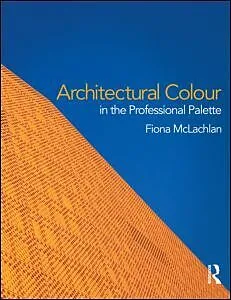
Architectural Colour in the Professional Palette
Beschreibung
How do architects use colour? Do they adopt a different strategy or starting point for every project? Do they gradually cultivate individual colour palettes, which develop alongside their body of built work? Do they utilise, or are they aware of, the body of ...
Format auswählen
- Kartonierter Einband (Kt)CHF 98.80

Wird oft zusammen gekauft
Andere Kunden kauften auch
Beschreibung
How do architects use colour? Do they adopt a different strategy or starting point for every project? Do they gradually cultivate individual colour palettes, which develop alongside their body of built work? Do they utilise, or are they aware of, the body of theoretical work that underpins the use of colour in the past, and forms the basis of most of the colour systems commercially available today?
This book investigates, documents and analyses the works of a number of contemporary architects in order to respond to these questions and provide a clear reference of contemporary colour use. By analysing and investigating current practice, the reader is given an invaluable insight into the possibilities and opportunities available in colour application.
Zusatztext The book makes you acutely aware that something so inextricably linked to the experience of architecture is missing from the current education of an architect....[It] goes way beyond simple aesthetics and explores the body of theoretical work that underpins the use of colour in the past and which informs the work of this selection of architects." - Professor Alan Pert! NORD! UK Informationen zum Autor Fiona McLachlan is Professor of Architectural Practice and head of the Edinburgh School of Architecture and Landscape Architecture (ESALA) at the University of Edinburgh, and is a practising architect. Klappentext How do architects use color? Do they adopt a different strategy or starting point for every project? Do they gradually cultivate individual color palettes, which develop alongside their body of built work? Do they utilize, or are they aware of, the body of theoretical work that underpins the use of color in the past, and forms the basis of most of the color systems commercially available today? Informed by the author's thirty years in architectural practice and academia, this book investigates, documents and analyzes the work of a number of contemporary architects in order to respond to these questions and provide a clear reference of contemporary color use. The book suggests a holistic approach to the integration of color in architecture; through a series of thematic essays, the text explores and reveals underlying principles in color design and application. Case studies include: AHMM Caruso St John Erich Wiesner and Otto Steidle Gigon/Guyer O'Donnell + Tuomey Sauerbruch Hutton Steven Holl UN Studio. The book provides clear insights into how particular contemporary architects use color confidently and intelligently as an integral part of their design philosophy, in conjunction with their choices of materials and finishes. Offering a stimulating view of the history of color theory, and pragmatic advice to practicing architects, this book will be inspiring to both design professionals and students. Zusammenfassung How do architects use color? Do they adopt a different strategy or starting point for every project? Do they gradually cultivate individual color palettes, which develop alongside their body of built work? Do they utilize, or are they aware of, the body of theoretical work that underpins the use of color in the past, and forms the basis of most of the color systems commercially available today? Informed by the author's thirty years in architectural practice and academia, this book investigates, documents and analyzes the work of a number of contemporary architects in order to respond to these questions and provide a clear reference of contemporary color use. The book suggests a holistic approach to the integration of color in architecture; through a series of thematic essays, the text explores and reveals underlying principles in color design and application. Case studies include: AHMM Caruso St John Erich Wiesner and Otto Steidle Gigon/Guyer O'Donnell + Tuomey Sauerbruch Hutton Steven Holl UN Studio. The book provides clear insights into how particular contemporary architects use color confidently and intelligently as an integral part of their design philosophy, in conjunction with their choices of materials and finishes. Offering a stimulating view of the history of color theory, and pragmatic advice to practicing architects, this book will be inspiring to both design professionals and students. Inhaltsverzeichnis 1. Introduction: Investigations in the Professional Palette 2. Form, Colour and Material Surface 3. The Unattainable Myth of Novelty: Caruso St John 4. An Intuitive Palate: O'Donnell and Tuomey 5. Edges and Surfaces: Gigon/Guyer 6. Synergies ...
Autorentext
Fiona McLachlan is Professor of Architectural Practice and head of the Edinburgh School of Architecture and Landscape Architecture (ESALA) at the University of Edinburgh, and is a practising architect.
Klappentext
How do architects use colour? Do architects tend to establish individual colour palettes, which are then given authority through use? How are these modified through time, and by context? What are the driving forces behind colour choices? This book investigates, documents and analyzes the colour 'palettes' of a number of contemporary architects in order to respond to these questions and provide an easy reference of contemporary colour use. By analyzing and investigating current practice, the reader is given an invaluable insight into the possibilities and opportunities available in colour application. Case studies include: Caruso St John O'Donnell and Tuomey Gigon/Guyer Sauerbruch Hutton UN Studio Erich Wiesner and Otto Steidle AHMM 10. The book provides clear insights into how specific contemporary architects use colour as an integral part of their design ethos and as part of the palette of materials and design tools available to them. It is intended to be stimulating and directly influential to practising architects in a pragmatic manner, as well as being inspiring to both students and professionals.
Zusammenfassung
How do architects use color? Do they adopt a different strategy or starting point for every project? Do they gradually cultivate individual color palettes, which develop alongside their body of built work? Do they utilize, or are they aware of, the body of theoretical work that underpins the use of color in the past, and forms the basis of most of the color systems commercially available today?
Informed by the author's thirty years in architectural practice and academia, this book investigates, documents and analyzes the work of a number of contemporary architects in order to respond to these questions and provide a clear reference of contemporary color use. The book suggests a holistic approach to the integration of color in architecture; through a series of thematic essays, the text explores and reveals underlying principles in color design and application. Case studies include:
- AHMM
- Caruso St John
- Erich Wiesner and Otto Steidle
- Gigon/Guyer
- O'Donnell + Tuomey
- Sauerbruch Hutton
- Steven Holl
- UN Studio.
The book provides clear insights into how particular contemporary architects use color confidently and intelligently as an integral part of their design philosophy, in conjunction with their choices of materials and finishes.
Offering a stimulating view of the history of color theory, and pragmatic advice to practicing architects, this book will be inspiring to both design professionals and students.
Inhalt
- Introduction: Investigations in the Professional Palette 2. Form, Colour and Material Surface 3. The Unattainable Myth of Novelty: Caruso St John 4. An Intuitive Palate: O'Donnell and Tuomey 5. Edges and Surfaces: Gigon/Guyer 6. Synergies and Dischords: Sauerbruch Hutton 7. Transformational, Instrumental Colour: UN Studio 8. The Influence of An Artist: Erich Wiesner and Otto Steidle 9. The Brightness of Yellow: AHMM 10. Playing Space: Laws, Rules and Prescription