
IHR WARENKORB IST AKTUELL LEER.
Haben Sie noch nichts passendes gefunden? Stöbern Sie durch unser komplettes Sortiment.
Oder melden Sie sich an bzw. registrieren Sie sich.
- Kostenlose Lieferung
- Kauf auf Rechnung
- Ex Libris Tiefpreis
- Filiallieferung und 650+ Abholorte
- Rabatt-Bons als Club-Mitglied
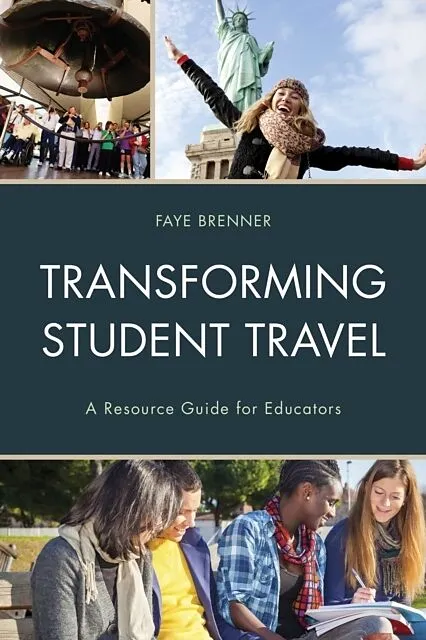
Transforming Student Travel
Beschreibung
Informationen zum Autor Faye Brenner fulfilled her dream of becoming a tour director after two previous careers in formal and informal education, as a teacher and a summer camp director. She credits the International Baccalaureate program for teaching her how ...Format auswählen
- Kartonierter EinbandCHF 73.20

Wird oft zusammen gekauft
Andere Kunden kauften auch
Beschreibung
Informationen zum Autor Faye Brenner fulfilled her dream of becoming a tour director after two previous careers in formal and informal education, as a teacher and a summer camp director. She credits the International Baccalaureate program for teaching her how to think and how to teach. Klappentext Transforming Student Travel calls for a paradigm shift in the student tour industry: educators collaborating to create a student-centered, inquiry-based tour. Marcel Proust said, "The real voyage of discovery consists not in seeking new landscapes but in having new eyes." This resource guide explores ways educators can encourage students not only to see with "new eyes," but also to understand how they know. The International Baccalaureate informs the first part of the book which includes educational research as well as practical suggestions for improving the tour experience, including an integration of academic subjects. Although much has been written about the impact of international travel, this book explores ways educators can transform domestic tours for public and parochial school students. The second part of the book offers resource guides for four cities Washington, D.C.; New York; Philadelphia; and Boston. Teachers, tour directors, and tour operators, will find discussion questions activities as well as detailed background information for four of the most visited cities by students. Many of the questions and strategies can be adapted for other landscapes. Inhaltsverzeichnis Foreword Wendy W. Amato, Ph.D. Preface Acknowledgements PART ONE Chapter One: Encouraging New Eyes The International Baccalaureate From Recall to Thinking Taking the Tour to the Next Step Goethe's Principles of Criticism Shifts in Meaning Chapter Two: How Do We Know? The Ways of Knowing Language The Language of the Landscape Culture, Race, and Language Metaphor Sense Perception Multiple Intelligence Theory Sight and Sound Taste and Smell Balance, Hunger, Thirst, and Movement Sense Perception as a Form of Communication Emotion Teens and Emotions Emotional Response to the Landscape Emotion and the United States Holocaust Museum Reason Putting it All Together: A Lesson at the Boston Old State House From Commentary to Analysis Imagination Walking in Someone Else's Shoes Imagination Can Be Fun Faith The Religious Landscape Secular Faith The Faith of the Sentinels Intuition Intuition and Instinct An Intuitive Lesson at the National Portrait Gallery Memory Memory v. Memorization Memory and Learning Chapter Three: It's Not All about History and Architecture Language Social Sciences Mathematics Natural Science The Visual and Performing Arts Ethics Chapter Four: Teaching Strategies on the Road A Cadre of Educators: Developing Relationships Developing Relationships with Students Modeling Critical Thinking Interacting with Students Using Social Networking: Smart Phones, Tablets, and Other Technology Dangling the Carrot: The Pros and Cons of Rewards PART TWO Introduction to City Resource Guides Chapter Five: Washington, D.C. Monuments and Memorials: An Integrated Approach Language Arts Social Sciences Mathematics Natural Sciences Arts and Culture Architecture Visual Arts Theater Ethics Washington Addendum: The Korean War Veterans Memorial Chapter Six: New York Language Arts Social Sciences Mathematics Natural Sciences Arts and Culture Architecture Theater Visual Arts Music Ethics Chapter Seven:Philadelphia Language Arts Social Sciences Mathematics Natural Sciences The Arts Theater Visual Arts Ethics Philadelphia Addendum: The People of Elfreth's Alley Chapter Eight:Boston Language Arts Social Sciences Mathematics Natural Scienc...
Klappentext
Transforming Student Travel calls for a paradigm shift in the student tour industry: educators collaborating to create a student-centered, inquiry-based tour. Marcel Proust said, "The real voyage of discovery consists not in seeking new landscapes but in having new eyes." This resource guide explores ways educators can encourage students not only to see with "new eyes," but also to understand how they know. The International Baccalaureate informs the first part of the book which includes educational research as well as practical suggestions for improving the tour experience, including an integration of academic subjects. Although much has been written about the impact of international travel, this book explores ways educators can transform domestic tours for public and parochial school students. The second part of the book offers resource guides for four cities – Washington, D.C.; New York; Philadelphia; and Boston. Teachers, tour directors, and tour operators, will find discussion questions activities as well as detailed background information for four of the most visited cities by students. Many of the questions and strategies can be adapted for other landscapes.
Inhalt
Foreword
Wendy W. Amato, Ph.D.
Preface
Acknowledgements
PART ONE
Chapter One: Encouraging New Eyes
The International Baccalaureate
From Recall to Thinking
Taking the Tour to the Next Step
Goethe's Principles of Criticism
Shifts in Meaning
Chapter Two: How Do We Know?
The Ways of Knowing
Language
The Language of the Landscape
Culture, Race, and Language
Metaphor
Sense Perception
Multiple Intelligence Theory
Sight and Sound
Taste and Smell
Balance, Hunger, Thirst, and Movement
Sense Perception as a Form of Communication
Emotion
Teens and Emotions
Emotional Response to the Landscape
Emotion and the United States Holocaust Museum
Reason
Putting it All Together: A Lesson at the Boston Old State House
From Commentary to Analysis
Imagination
Walking in Someone Else's Shoes
Imagination Can Be Fun
Faith
The Religious Landscape
Secular Faith
The Faith of the Sentinels
Intuition
Intuition and Instinct
An Intuitive Lesson at the National Portrait Gallery
Memory
Memory v. Memorization
Memory and Learning
Chapter Three: It's Not All about History and Architecture
Language
Social Sciences
Mathematics
Natural Science
The Visual and Performing Arts
Ethics
Chapter Four: Teaching Strategies on the Road
A Cadre of Educators: Developing Relationships
Developing Relationships with Students
Modeling Critical Thinking
Interacting with Students
Using Social Networking: Smart Phones, Tablets, and Other Technology
Dangling the Carrot: The Pros and Cons of Rewards
PART TWO
Introduction to City Resource Guides
Chapter Five: Washington, D.C.
Monuments and Memorials: An Integrated Approach
Language Arts
Social Sciences
Mathematics
Natural Sciences
Arts and Culture
Architecture
Visual Arts
Theater
Ethics
Washington Addendum: The Korean War Veterans Memorial
Chapter Six: New York
Language Arts
Social Sciences
Mathematics
Natural Sciences
Arts and Culture
Architecture
Theater
Visual Arts
Music
Ethics
Chapter Seven:Philadelphia
Language Arts
Social Sciences
Mathematics
Natural Sciences
The Arts
Theater
Visual Arts
Ethics
Philadelphia Addendum: The People of Elfreth's Alley
Chapter Eight:Boston
Language Arts
Social Sciences
Mathematics
Natural Sciences
The Arts
Music
Public Art
Architecture
Ethics
Boston Addendum: Franklin's Magic Square
Resources