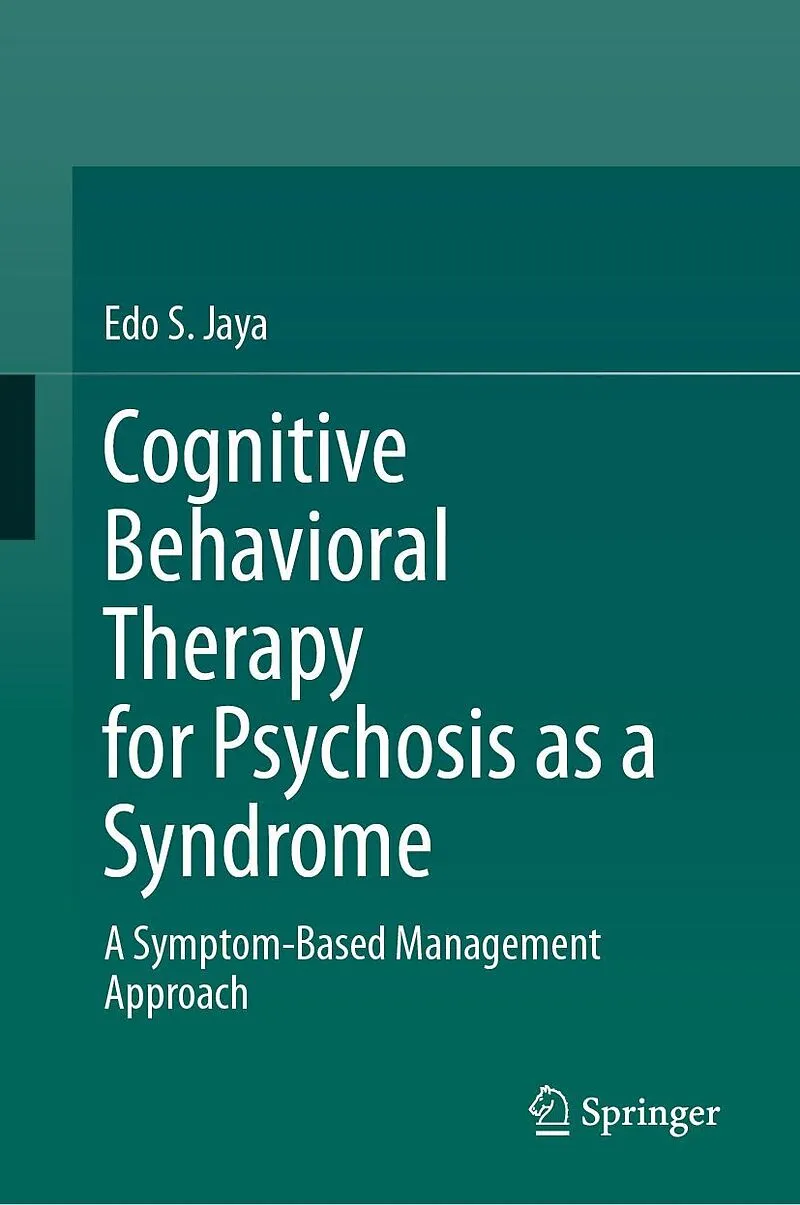
Cognitive Behavioral Therapy for Psychosis as a Syndrome
Beschreibung
This book introduces a novel, symptom-based approach to CBT for psychosis, inspired by internal medicine's treatment of complex syndromes. This manual advocates for individualized treatment planning based on presenting symptom profiles. Written for clinical p...
Format auswählen
- Fester EinbandCHF 156.40
- E-Book (pdf)CHF 165.90

Wird oft zusammen gekauft
Andere Kunden kauften auch
Beschreibung
This book introduces a novel, symptom-based approach to CBT for psychosis, inspired by internal medicine's treatment of complex syndromes. This manual advocates for individualized treatment planning based on presenting symptom profiles. Written for clinical psychologists, psychiatrists, and mental health practitioners, this resource offers a structured yet flexible framework that adapts to each patient's needs and supports assessment, case formulation, and intervention selection.
It integrates evidence-based CBT techniques for common symptoms and comorbidities of psychosis, including insomnia, depression, and social anxiety. Practical, step-by-step guidance is provided to support symptom management and functional recovery in complex clinical presentations.
Drawing on years of clinical experience, research, and insights from patients themselves, this manual offers a practical approach to managing psychosis through a transdiagnostic, formulation-driven framework for psychotherapy.
Introduces a CBT approach for psychosis, drawing inspiration from internal medicine's management of complex syndromes Provides step-by-step guidance to help clinicians tailor CBT interventions to specific symptoms and comorbidities Offers a practical, adaptable resource for both well-resourced and resource-limited settings
Autorentext
Dr. phil. Edo Sebastian Jaya, M.Psi., Psikolog is a clinical psychologist and tenured lecturer in the Faculty of Psychology, Universitas Indonesia. He is the founder and director of Indonesian Psychological Healthcare Center, a psychotherapy clinic in Jakarta dedicated to promoting evidence-based practices and supporting research projects in psychopathology. In service to his profession, he is a board member of the Indonesian Clinical Psychology Association and National Board of Clinical Psychologist (Indonesia). In service to academia, he is the Editor-in-Chief of Makara Human Behavior Studies in Asia, an open-access journal published by Universitas Indonesia, and a reviewer at journals such as Schizophrenia Bulletin and Psychological Medicine. With a doctorate in clinical psychology from Universität Hamburg in Germany, Dr. Jaya has published peer-reviewed research in leading journals including Schizophrenia Research and Journal of Psychiatric Research, and has collaborated with international authors from Germany, the Netherlands, the United Kingdom, and the United States in the field of psychosis and cognitive behavioral therapy.
Inhalt
PART I: An Introduction to Cognitive Behavioral Therapy for Psychosis: Symptom-based Approach.- Chapter 2: Overview of Cognitive Behavioral Therapy.- Chapter 3: Rationale for Symptom-based Management Approach.- PART II: Assessment and Formulation.- Chapter 4: Assessment of Psychosis.- Chapter 5: Common Comorbidities, Risk Factors, and Protective Factors in People with Psychosis.- Chapter 6: Planning and Applying Symptom-based Approach for Psychosis in Psychotic Disorders.- Chapter 7: Planning and Applying Symptom-based Approach for Psychosis in Personality Disorders.- Chapter 8: Planning and Applying Symptom-based Approach for Psychosis in Mood Disorders.- PART III: Treatment Modules: Orientation of CBT for psychosis.- Chapter 9: Psychoeducation.- PART IV: Treatment Modules: Stage 1 Reduction of Psychopathology.- Chapter 10: Treating Insomnia in Psychosis.- Chapter 11: Treating Depression in Psychosis.- Chapter 12: Treating Specific Phobia in Psychosis.- Chapter 13: Treating Social Anxiety Disorder in Psychosis.- Chapter 14: Treating General Anxiety Disorder in Psychosis.- Chapter 15: Treating Panic Disorder and Agoraphobia in Psychosis.- Chapter 16: Treating OCD in Psychosis.- Chapter 17: Treating Eating Disorder in Psychosis.- Chapter 18: Treating Body Dysmorphic Disorder in Psychosis.- Chapter 19: Management of Substance Use in Psychosis.- Chapter 20: Treating Tic in Psychosis.- Chapter 21: Treating Impulsivity in Psychosis.- PART V: Treatment Modules: Stage 2 Improvement of Risk and Protective Factors.- Chapter 22: Improving Emotional Regulation in Psychosis.- Chapter 23: Reducing Negative Schemas in Psychosis.- Chapter 24: Improving Positive Schemas in Psychosis.- Chapter 25: Improving Relationships in Psychosis.- Chapter 26: Increasing Reasons for Living in Psychosis.- Chapter 27: Improving Self-Compassion in Psychosis.