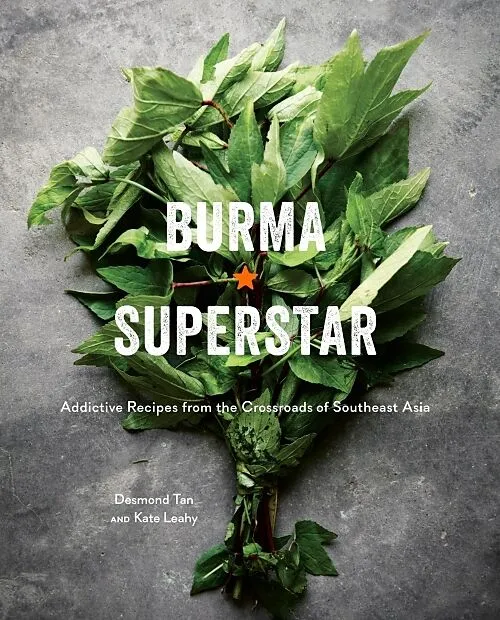
Burma Superstar
Beschreibung
From the beloved San Francisco restaurant, a mouthwatering collection of recipes, including Fiery Tofu, Garlic Noodles, the legendary Tea Leaf Salad, and many more. Never before have the vivid flavors of Burmese cooking been so achievable for home cooks. Known...Format auswählen
- Fester EinbandCHF 39.90
Wird oft zusammen gekauft
Andere Kunden kauften auch
Beschreibung
From the beloved San Francisco restaurant, a mouthwatering collection of recipes, including Fiery Tofu, Garlic Noodles, the legendary Tea Leaf Salad, and many more. Never before have the vivid flavors of Burmese cooking been so achievable for home cooks. Known for its bustling tables, the sizzle of onions and garlic in the wok, and a wait time so legendary that customers start to line up before the doors even open--Burma Superstar is a Bay Area institution, offering diners a taste of the addictively savory and spiced food of Myanmar. With influences from neighboring India and China, as well as Thailand and Laos, Burmese food is a unique blend of flavors, and Burma Superstar includes such stand-out dishes as the iconic Tea Leaf Salad, Chili Lamb, Pork and Pumpkin Stew, Platha (a buttery layered flatbread), Spicy Eggplant, and Mohinga, a fish noodle soup that is arguably Myanmar’s national dish. Each of these nearly 90 recipes has been streamlined for home cooks of all experience levels, and without the need for special equipment or long lists of hard-to-find ingredients. Stunningly photographed, and peppered with essays about the country and its food, this inside look at the world of Burma Superstar presents a seductive glimpse of this jewel of Southeast Asia.
ldquo;Finally! In this beautiful book, Desmond Tan and Kate Leahy bring one of my favorite Bay Area restaurants, Burma Superstar, to the world. From the Tea Leaf Salad to Chicken Coconut Curry, the book demystifies the ingredients and cooking techniques of Myanmar, opening up the restaurant’s incredible flavors for everyone to enjoy. This is a book to read from cover to cover, and to cook from forever.”
**—Amanda Haas, author of *The Anti-Inflammation Cookbook: The Delicious Way to Reduce Inflammation and Stay Healthy
"Informative recipes and concise historical background set an educational yet approachable tone, while the occasional misty mountain vistas or bustling Burmese city street scenes (captured by John Lee) provide a reason to slow down and consider Burmese culture as a whole. Already, I'm eyeing the classic mohinga, a noodle soup thickened with toasted ground rice and mashed catfish, seasoned with ginger and lemongrass."**
—Alex Testere, Saveur
*
"The rare restaurant edition you’ll actually want to cook from, starting with the tea-leaf salad."
—"This Season's Best Cookbooks", Bon Appetit***
*“The eponymous San Francisco restaurant is making quality Burmese food even more accessible than before with this insightful, thorough cookbook. Take mohinga, for example, the breakfast noodle soup you've probably never heard of that's considered Burma's national dish. And in between coconut chicken curry and tea leaf salad, you can read all about Myanmar's struggle for democracy, as well as the people and ingredients that make up this rich culture.”
—"Best New Cookbooks," *Tasting Table
*"Is Burmese the new Thai food? Plenty of San Franciscans (disciples of the city’s beloved Burma Superstar restaurant) would say yes. The hot spot’s first cookbook illuminates the spicy, savory food of Myanmar, from chili lamb to pork and pumpkin stew to the popular tea leaf salad."
—Rebecca Shapiro,***** PureWow
"Burmese food is highly underrated—especially where fighting inflammation is concerned, thanks to the generous use of spices like turmeric and cardamom. In his book, Tan reveals that the meals include ingredients that are beautifully colored and textured, meaning that even salad can be exciting. "
** —Felicia Czochanski, *Well + Good
"Despite what some may consider unfamiliar ingredients and cooking techniques, “Burma Superstar” (the book) is incredibly accessible and, more importantly, fun. Fans of the restaurant will be happy to see a some of its most popular dishes, but the cookbook is more than just a rehashing of the menu. [...] There are short snippets on the history, political and otherwise, of the country, and photographs, all by San Francisco’s John Lee, bring the food into context with the country."
** —Kate Williams, Berkeleyside**
Autorentext
Desmond Tan and Kate Leahy
Leseprobe
What is Burmese Food?
If you head down Pansodan Street in Yangon’s historic downtown district, the view of the century-old colonial architecture is often obscured by makeshift stalls serving samosas, hand-mixed noodle salads, and steaming bowls of mohinga, a fish noodle soup that is, for all intents and purposes, Myanmar’s national dish.
This scene of street stalls is repeated all over the city. In the morning and late afternoon, tea shops fill with workers downing their first cup of tea brewed the color of burnt caramel and lightened with condensed and evaporated milks. For lunch at a popular restaurant like Feel, customers point at dishes set out on the counter and then sit down and wait as servers bring small plates to the table in rapid-fire fashion. To escape the afternoon heat, locals pop into shops serving sweetened yogurt drinks or a “heart cooler”—coconut milk served over agar jelly, tapioca pearls, and ice. Before dinner, people line up in front of vendors frying up the Burmese answer to tempura. Like the rest of the country, the city grows quiet at night, with the exception of 19th Street, which turns into an open-air market where you can pick and choose from stalls offering skewers of whole fish, squid, pork intestine, or mushrooms. Pitchers of Myanmar beer tide over groups of customers while the stalls grill selections.
Eating in Yangon means sampling a range of culinary traditions, from regional ethnic foods to dishes adapted from neighboring countries, especially China and India. No matter which heritage hits the table, one thing is certain: it’s easy to find a dish—or several—that you can’t wait to eat again.
GARLIC NOODLES
Some form of this comfort dish is made in nearly every corner of Asia, and it has long been a popular item both in Myanmar and at Burma Superstar. While the noodles, which get their flavor from fried garlic and garlic-infused oil, are respectable on their own, some like to beef up the dish with shredded duck, barbecue pork, sautéed shrimp, or stir-fried mushrooms and broccoli. Anything goes. The trickiest part of making garlic noodles is ensuring the garlic doesn’t burn. In this recipe, the garlic is pulled off the heat and left to cool in the oil. If you want to safeguard the process a bit more, set up a heat-proof bowl with a mesh strainer. When the garlic reaches a deep golden color, pour the garlic through the strainer to stop the cooking.
SERVES 4
1⁄4 cup canola oil
4 tablespoons minced garlic
3⁄4 cup sliced red onion or shallot, soaked in water and drained
2 tablespoons soy sauce
1⁄2 cup sriracha
1 tablespoon minced ginger
1⁄4 teaspoon sugar
1⁄4 teaspoon salt
2 tablespoons water
12 ounces fresh wide wonton noodles or dried Chinese wheat noodles
1 (5-inch) cucumber (or half an English cucumber), thinly sliced
3 green onions (white and green parts), thinly sliced
In a small pot, heat the oil over medium heat. Add 3 tablespoons of the garlic, set the heat to low, and fry, swirling the pot frequently, until the garlic is nearly golden in color, no more than 3 minutes. (If the garlic starts to darken too quickly, pull the pot off the heat, swirl the oil, and let the garlic continue to fry off the heat for 30 seconds before returning it to the heat.) Because the garlic can burn quickly, watch th…