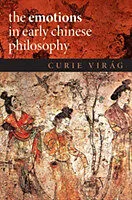
The Emotions in Early Chinese Philosophy
Beschreibung
Zusatztext ... this is in many ways an excellent and enlightening book. The level of argument is uniformly high: Virág both engages with previous scholarship, and is not afraid to move beyond it, giving her own (often radically) new interpretations of texts, a...Format auswählen
- Fester EinbandCHF 146.80
Wird oft zusammen gekauft
Andere Kunden kauften auch
Beschreibung
Zusatztext ... this is in many ways an excellent and enlightening book. The level of argument is uniformly high: Virág both engages with previous scholarship, and is not afraid to move beyond it, giving her own (often radically) new interpretations of texts, and in the process rehabilitating at least one philosopher into the 'mainstream' Informationen zum Autor Curie Virág is an Assistant Professor in the Department of East Asian Studies at the University of Toronto and Visiting Faculty in the Department of Philosophy at the Central European University in Budapest. Klappentext In China, the debate over the moral status of emotions began around the fourth century BCE, when early philosophers first began to invoke psychological categories such as the mind (xin), human nature (xing), and emotions (qing) to explain the sources of ethical authority and the foundations of knowledge about the world. Although some thinkers during this period proposed that human emotions and desires were temporary physiological disturbances in the mind caused by the impact of things in the world, this was not the account that would eventually gain currency. The consensus among those thinkers who would come to be recognized as the foundational figures of the Confucian and Daoist philosophical traditions was that the emotions represented the underlying, dispositional constitution of a person, and that they embodied the patterned workings of the cosmos itself. Curie Vir?g sets out to explain why the emotions were such a central preoccupation among early thinkers, situating the entire debate within developments in conceptions of the self, the cosmos, and the political order. She shows that the mainstream account of emotions as patterned reality emerged as part of a major conceptual shift towards the recognition of natural reality as intelligible, orderly, and coherent. The mainstream account of emotions helped to summon the very idea of the human being as a universal category and to establish the cognitive and practical agency of human beings. This book, the first intensive study of the subject, traces the genealogy of these early Chinese philosophical conceptions and examines their crucial role in the formation of ethical, political and cultural values in China. Zusammenfassung This book traces the genealogy of early Chinese conceptions of emotions, as part of a broader inquiry into evolving conceptions of self, cosmos and the political order. It seeks to explain what was at stake in early philosophical debates over emotions and why the mainstream conception of emotions became authoritative. Inhaltsverzeichnis Table of Contents Preface Introduction 1. Emotions and the Integrated Self in the Analects of Confucius 2. Reasons to Care: Redefining the Human Community in Mozi 3. Cosmic Desire and Human Agency in the Daodejing 4. Human Nature and the Pattern of Moral Life in Mencius 5. The Multiple Valences of Emotions in the Zhuangzi 6. The Composite Self and the Fulfillment of Human Nature in Xunzi Conclusion Bibliography Index ...
Autorentext
Curie Virág is an Assistant Professor in the Department of East Asian Studies at the University of Toronto and Visiting Faculty in the Department of Philosophy at the Central European University in Budapest.
Klappentext
In China, the debate over the moral status of emotions began around the fourth century BCE, when early philosophers first began to invoke psychological categories such as the mind (xin), human nature (xing), and emotions (qing) to explain the sources of ethical authority and the foundations of knowledge about the world. Although some thinkers during this period proposed that human emotions and desires were temporary physiological disturbances in the mind caused by the impact of things in the world, this was not the account that would eventually gain currency. The consensus among those thinkers who would come to be recognized as the foundational figures of the Confucian and Daoist philosophical traditions was that the emotions represented the underlying, dispositional constitution of a person, and that they embodied the patterned workings of the cosmos itself. Curie Vir�g sets out to explain why the emotions were such a central preoccupation among early thinkers, situating the entire debate within developments in conceptions of the self, the cosmos, and the political order. She shows that the mainstream account of emotions as patterned reality emerged as part of a major conceptual shift towards the recognition of natural reality as intelligible, orderly, and coherent. The mainstream account of emotions helped to summon the very idea of the human being as a universal category and to establish the cognitive and practical agency of human beings. This book, the first intensive study of the subject, traces the genealogy of these early Chinese philosophical conceptions and examines their crucial role in the formation of ethical, political and cultural values in China.
Zusammenfassung
This book traces the genealogy of early Chinese conceptions of emotions, as part of a broader inquiry into evolving conceptions of self, cosmos and the political order. It seeks to explain what was at stake in early philosophical debates over emotions and why the mainstream conception of emotions became authoritative.
Inhalt
Table of Contents
Preface
Introduction
- Emotions and the Integrated Self in the Analects of Confucius
- Reasons to Care: Redefining the Human Community in Mozi
- Cosmic Desire and Human Agency in the Daodejing
- Human Nature and the Pattern of Moral Life in Mencius
- The Multiple Valences of Emotions in the Zhuangzi
- The Composite Self and the Fulfillment of Human Nature in Xunzi
Conclusion
Bibliography
Index