Beschreibung
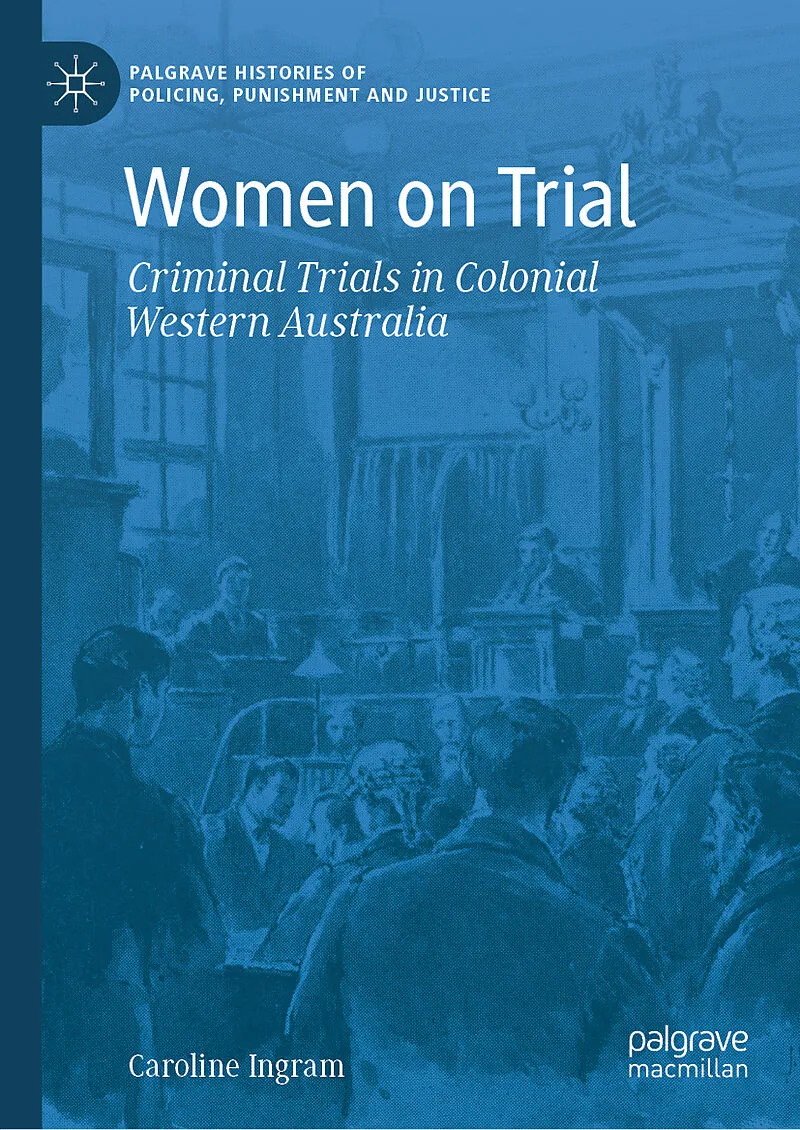
This book considers how legal rules and institutions affected the outcome of women's trials in nineteenth century Western Australia and how this was mediated by various social and cultural constructs. It uses numerous case studies to determine the effect of l...
This book considers how legal rules and institutions affected the outcome of women's trials in nineteenth century Western Australia and how this was mediated by various social and cultural constructs. It uses numerous case studies to determine the effect of legal representation, co-accused status, Aboriginality and mercy on the outcome of these women's trials. The stories of these mainly working-class women, often traced through trials records and witness depositions, also illuminates the challenges and pitfalls of their lives, the survival strategies they used to navigate these and the pathways that led them to be charged with serious crime. Western Australia offers a different set of conditions for examining female criminality. Its small population meant that women committing crime often became well-known identities within their communities and may have been known, at least by reputation, to the limited number of men eligible for jury duty. Western Australia's low population meant that the number of lawyers practising in the colony was small and that few judges were appointed. During this period Western Australia also created separate laws to apply only to Aboriginal defendants meaning that Aboriginal women became subject to different laws to non-Aboriginal women. The book examines how, and why, some women appeared to receive a more lenient outcome, whereas others were less fortunate. Despite the all-male nature of the criminal justice system in which they appeared, some women appeared to possess a degree of legal literacy which allowed them to use the system to achieve a more favourable outcome in court. This book will be of interest to scholars of criminology, as well as those interested in the history of crime, Western Australian history and the history of the criminal justice system in Australia.
Speaks to those interested in criminal history, historical criminology, gender studies and Australian history Examines how different legal, social and cultural factors influenced women's criminal trials Explores how Aboriginal women were subject to different laws to non-Aboriginal women
Autorentext
Caroline Ingram is a research assistant at the University of Western Australia. Her research interests include legal history, women's history, Western Australian history and the history of marginalised people.
Inhalt
Chapter 1: Analysing the criminal trials of women in Western Australia.- Chapter 2: Who Were the Criminal Women of Nineteenth Century Western Australia.- Chapter 3: Representing Women The Use of Defence Counsel in Womens Trials.- Chapter 4: Jointly Indicted Women as CoAccused Defendants.-
Chapter 5: Aboriginal Women as Defendants.- Chapter 6: The Quality of Mercy The Use of Mercy and Leniency in Womens Trials.- Chapter 7: Afterword.
Tief- preis