Beschreibung
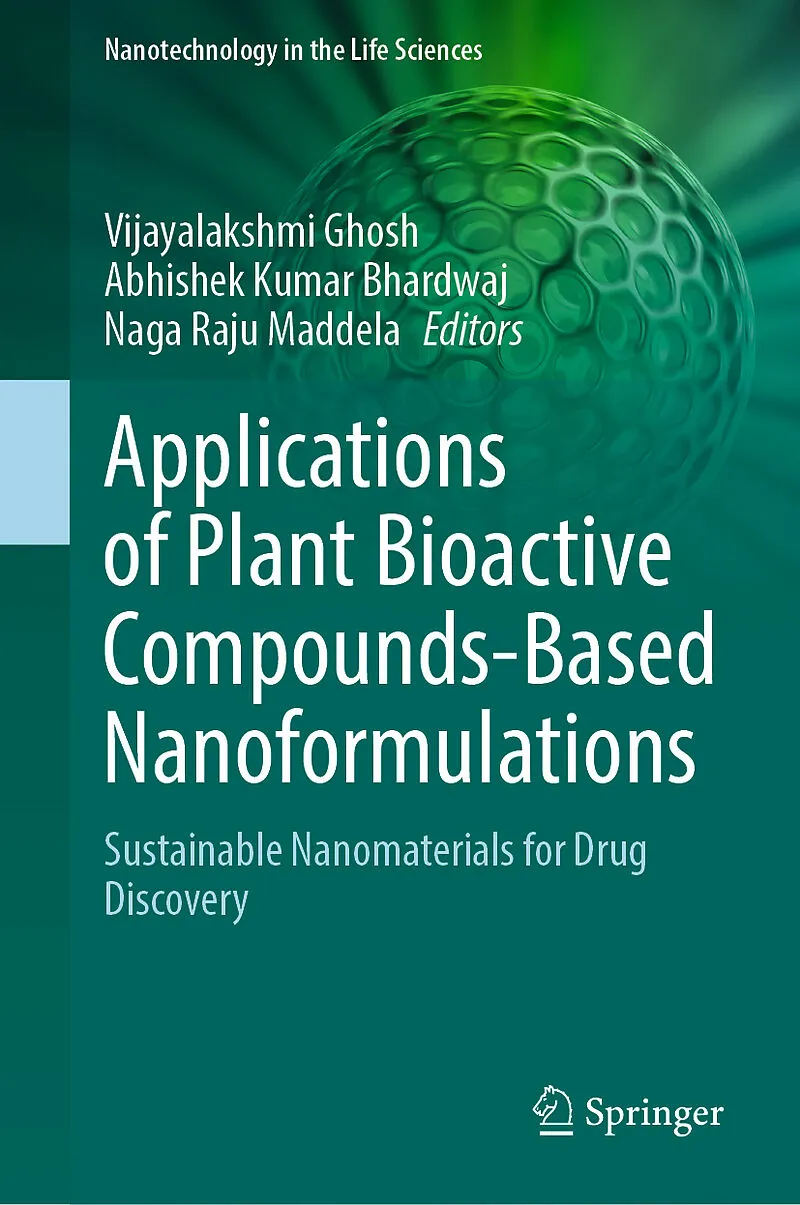
Plant essential oil-based nanoemulsions and microemulsions represent a cutting-edge approach to harnessing the therapeutic potential of botanical extracts which have droplet sizes ranging from 10-100 nm. These finely dispersed oil-in-water or water-in-oil sys...
Plant essential oil-based nanoemulsions and microemulsions represent a cutting-edge approach to harnessing the therapeutic potential of botanical extracts which have droplet sizes ranging from 10-100 nm. These finely dispersed oil-in-water or water-in-oil systems offer a wide range of applications across diverse fields. In pharmaceuticals, they enable improved drug delivery systems with enhanced bioavailability and controlled release, potentially revolutionizing the efficacy of herbal medicines. In cosmetics, they are used as natural and sustainable ingredients for skincare and perfumes, tapping into the rising demand for eco-friendly products. In agriculture, they serve as effective carriers for essential oils and pesticides, enhancing crop protection and yield. Additionally, these formulations hold promise in the food industry for flavor encapsulation and preservation, and they contribute to sustainable agriculture practices by reducing the need for chemical inputs.
Overall, plant essential oil-based nanoemulsions and microemulsions open doors to innovative solutions that bridge the gap between traditional botanical knowledge and modern technology, offering a multitude of benefits to diverse industries. In antiaging therapies, nanoemulsions improve the penetration and absorption of active ingredients, leading to more effective and sustained results. Additionally, they are utilized in managing diabetes by facilitating better delivery of insulin and other antidiabetic medications, ensuring controlled and sustained blood glucose levels. For heart attack control, nanoemulsions aid in the precise delivery of cardiovascular drugs, improving patient outcomes and reducing the risk of adverse effects. Their ability to enhance drug solubility, stability, and bioavailability makes nanoemulsions a valuable tool in modern medicine. This book will examine the synthesis, characterization, and applications of plant-derived nanomaterials in various biomedical applications.
Comprehensive view of synthesis characterization & applications of plant bioactive & essential oil-based nanomaterials Interdisciplinary approach bridges the gap between plant science, nanotechnology, and materials science Emphasizes the use of plant bioactives & essential oils as sustainable, eco-friendly alternatives
Autorentext
Dr. Vijayalakshmi Ghosh, Dean R&D and Associate Professor at Rungta International Skills University, Bhilai, India holds a PhD in Nanobiotechnology from VIT University. She has served at Université Paris Descartes, Uka Tarsadia University, and Pt. Ravishankar Shukla University (SERB-NPDF Fellow). Recognized among the Top 2% Scientists Worldwide (Stanford–Elsevier 2023), she holds patents, leads funded projects, and recently secured an MSME grant.
Dr. Abhishek Kumar Bhardwaj, Assistant Professor at Amity University Gwalior, holds a PhD from the Central University of Allahabad on green-synthesized metal nanoparticles for water disinfection. He completed postdoctoral research at VBS Purvanchal University. His interests include nanomaterials, biosensing, water purification, and waste management. He has over 20 publications in reputed journals like Elsevier, Springer, and ACS.
Dr. Naga Raju Maddela, Professor at Universidad Técnica de Manabí, Ecuador, earned his PhD in Microbiology from Sri Krishnadevaraya University. With over 25 years of teaching and research experience, he has held fellowships in Ecuador and China, receiving multiple research grants. He has published 110 papers, 22 books, and 45 chapters in microbiology and environmental science.
Inhalt