Beschreibung
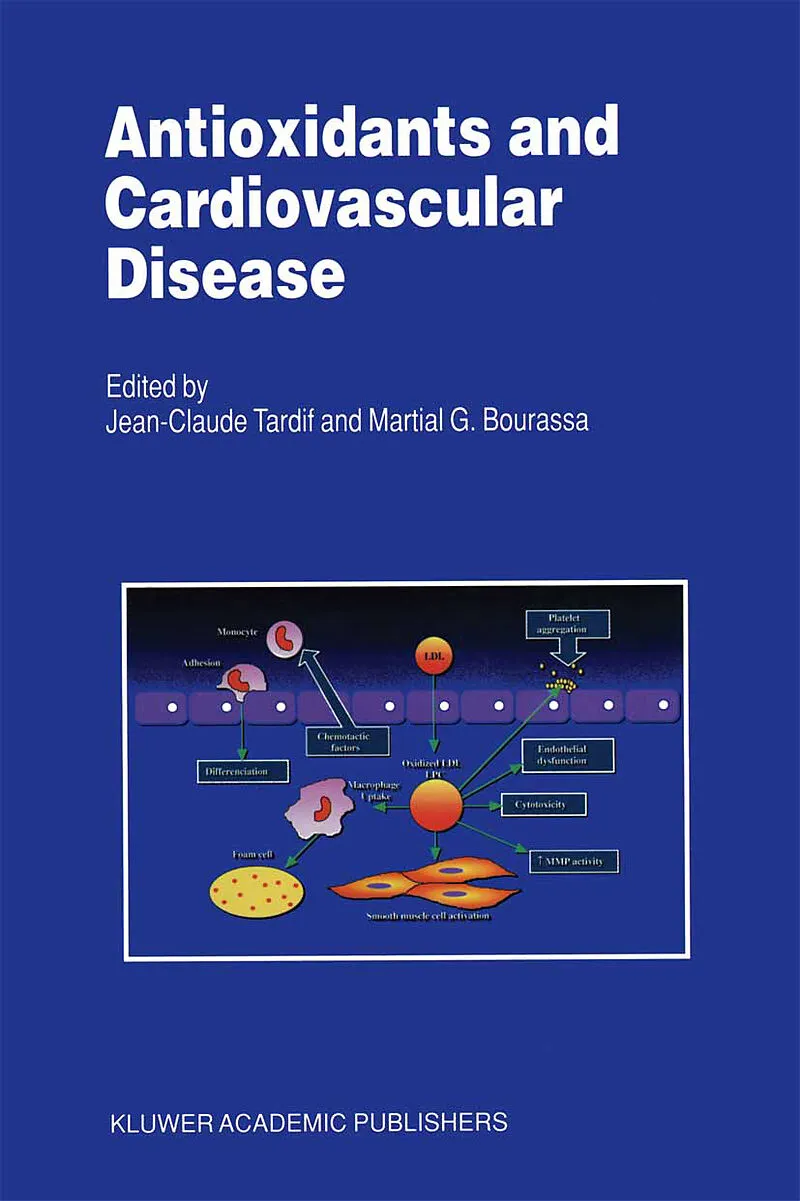
Generation of oxidants or reactive oxygen species is a natural process of human biology. Mitochondrial respiration, phagocytic activity and cyclooxygenase activation are all essential processes of life, which also generate oxidative species. In humans, chronic...Generation of oxidants or reactive oxygen species is a natural process of human biology. Mitochondrial respiration, phagocytic activity and cyclooxygenase activation are all essential processes of life, which also generate oxidative species. In humans, chronic oxidative stress often coupled with deficiency of antioxidant defenses is associated with the aging process and can lead to the development of disorders such as cancer and arterial disease. Major cardiovascular conditions in which oxidative damage has been strongly implicated include atherosclerosis, myocardial ischemia and reperfusion, coronary restenosis and congestive heart failure. Compelling evidence points to oxidative stress as an important trigger in the complex chain of events leading to atherosclerosis. The expression of chemotactic factors and adhesion molecules is modified by oxidative stress. Exposure to superoxide ions activates the NF-kappa B regulatory complex and triggers the transcription of several atherosclerosis related genes. These events lead to the accumulation of macrophages in the arterial wall. Macrophages avidly incorporate oxidized low-density lipoproteins (LDL) to form foam cells. The activity of matrix metalloproteinases is also regulated by oxidative stress. This activity appears to be closely coupled with smooth muscle cell activation and migration. Matrix metalloproteinases have also been implicated in the pathophysiology of plaque rupture. Antioxidant supplementation including vitamin E decreases susceptibility ofLDL to oxidation and retards the progression of atherosclerosis in animal models.
Klappentext
This book addresses a complex but very timely and fascinating problem in cardiovascular medicine. It is written by recognized experts in the fields of atherosclerosis, heart failure, and antioxidants. It should be of interest not only to academicians but to practising physicians, including postdoctoral fellows, internists, cardiologists, and general practitioners. The first three chapters review the antioxidant hypothesis and its close relationship to lipid metabolism and pathogenesis of atherosclerosis. The subsequent chapters define the mechanisms of action and classify the different and heterogeneous pharmacological compounds with known antioxidant properties, and describe the role of dietary nutrients and supplements as well as the potential therapeutic benefit of antioxidants in coronary artery disease prevention and risk reduction, prevention of endothelial dysfunction, and prevention of coronary restenosis after percutaneous coronary interventions and treatment and prevention of chronic heart failure. Finally, current knowledge of the use of these compounds in cardiovascular medicine is summarized.
Inhalt