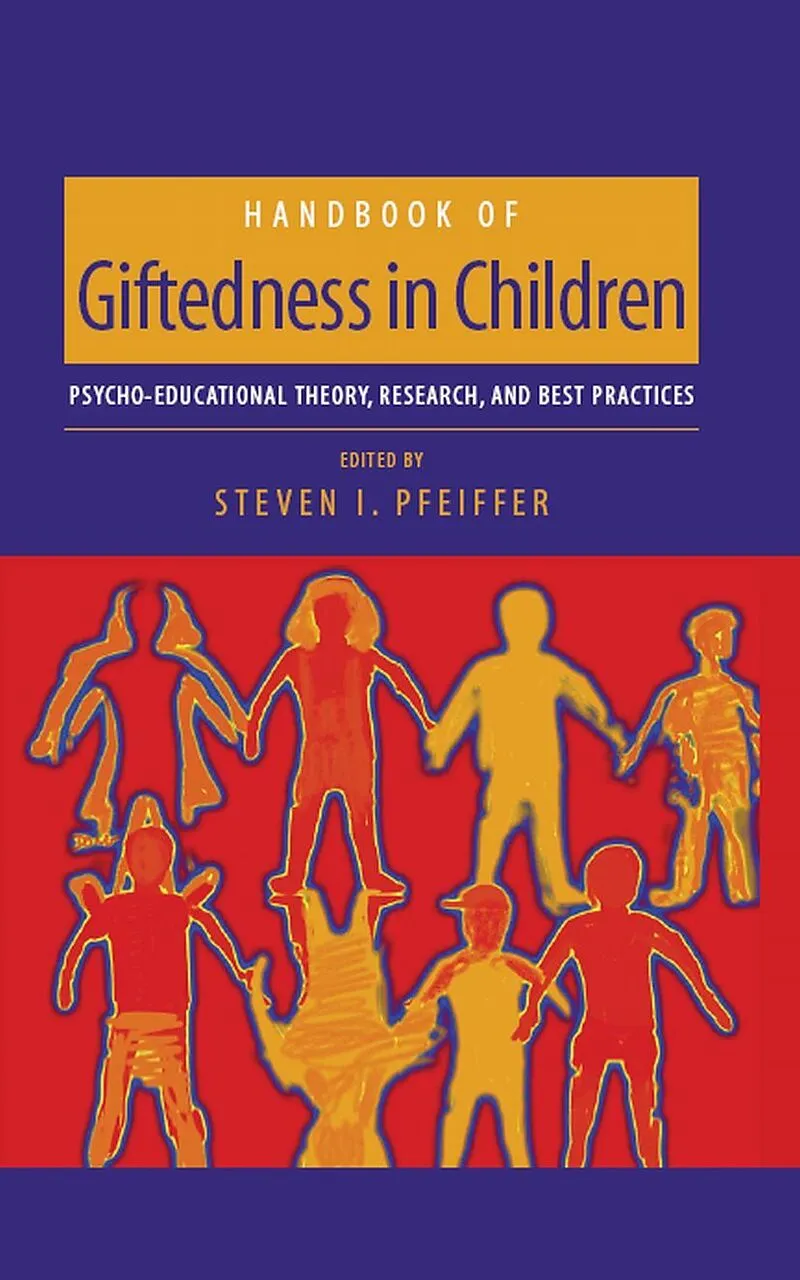
Beschreibung
In one comprehensive resource, this superb handbook covers everything you need to know about the subject. It brings together leading experts from the fields of psychology and education, combining theory and applied empirical research on such crucial topics as ...In one comprehensive resource, this superb handbook covers everything you need to know about the subject. It brings together leading experts from the fields of psychology and education, combining theory and applied empirical research on such crucial topics as conceptualization, types of intelligence, developmental considerations, and ethical and legal concerns. Particular attention is given to social and family contexts, and evidence-based strategies and interventions offer solid guidelines on assessment, curriculum design, and encouraging and nurturing talent - from preschool through adolescence.
Steven I. Pfeiffer, Ph.D., ABPP is Professor in the Combined-Integrated Counseling and School Psychology Program at Florida State University, where he heads the Mental Health Counseling Program. Before his tenure at Florida State, Dr. Pfeiffer was a professor at Duke University, where he served as Executive Director of Duke's Talent Identification Program (TIP). He is a Fellow of the American Psychological Association, a licensed psychologist, diplomate in school psychology of the American Board of Professional Psychology and listed in the National Register of Health Service Providers in Psychology. Dr. Pfeiffer is co-author of the widely used Gifted Rating Scales (see link on the right-hand panel) and Devereux Behavior Rating Scales-School Form, has authored or edited five books and almost 100 journal articles and book chapters in the areas of the psychology of the gifted, talent development, and children's mental health. He served as the founding editor of the Duke Gifted Letter and serves on the editorial board of ten journals, including Gifted Child Quarterly and Roeper Review-two of the leading journals in the gifted field. Dr. Pfeiffer was recipient of the Mensa Education & Research Foundation Award for Excellence in Research. He was invited to testify at the White House on children's mental health needs and has served as a clinical psychologist in the U.S. Naval Medical Service Corps (reserves). He has a private practice where he sees children, adolescents and families.
This is quite simply a must-read for practitioners in education who deal with gifted and talented students. In one comprehensive resource, this superb handbook brings together leading experts from the fields of psychology and education, combining theory and applied empirical research on such crucial topics as conceptualization, types of intelligence, developmental considerations, and ethical and legal concerns. Particular attention is given to social and family contexts, and evidence-based strategies and interventions offer solid guidelines on assessment, curriculum design, and encouraging and nurturing talent - from preschool through adolescence. At the moment, if you mention "special needs children", most people think of students struggling to overcome learning and physical disabilities as well as problem behaviors. But there is a hidden population of special needs children - the gifted and talented - and their teachers, parents, and other professionals are often not well equipped to respond to their unique academic and developmental needs. This book will help them do so.
Autorentext
Steven I. Pfeiffer, Ph.D., ABPP is Professor in the Combined-Integrated Counseling and School Psychology Program at Florida State University, where he heads the Mental Health Counseling Program. Before his tenure at Florida State, Dr. Pfeiffer was a professor at Duke University, where he served as Executive Director of Duke's Talent Identification Program (TIP). He is a Fellow of the American Psychological Association, a licensed psychologist, diplomate in school psychology of the American Board of Professional Psychology and listed in the National Register of Health Service Providers in Psychology. Dr. Pfeiffer is co-author of the widely used Gifted Rating Scales (see link on the right-hand panel) and Devereux Behavior Rating Scales-School Form, has authored or edited five books and almost 100 journal articles and book chapters in the areas of the psychology of the gifted, talent development, and children's mental health. He served as the founding editor of the Duke Gifted Letter and serves on the editorial board of ten journals, including Gifted Child Quarterly and Roeper Reviewtwo of the leading journals in the gifted field. Dr. Pfeiffer was recipient of the Mensa Education & Research Foundation Award for Excellence in Research. He was invited to testify at the White House on children's mental health needs and has served as a clinical psychologist in the U.S. Naval Medical Service Corps (reserves). He has a private practice where he sees children, adolescents and families.
Klappentext
Mention "special needs children", and most people think of students struggling to overcome learning and physical disabilities as well as problem behaviors that interfere with achieving full academic potential. But there is a hidden population of special needs children the gifted and talented and their teachers, parents, and other professionals are often not well equipped to respond to their unique academic and developmental needs.
In one comprehensive resource, the Handbook of Giftedness in Children brings together leading experts from the fields of psychology and education, combining theory and applied empirical research on such crucial topics as conceptualization, types of intelligence, developmental considerations, and ethical and legal concerns. Particular attention is given to social and family contexts, and evidence-based strategies and interventions offer solid guidelines on assessment, curriculum design, and encouraging and nurturing talent from preschool through adolescence.
Sample topics include:
Zusammenfassung
Most leaders in American society recognize that gifted children are among our most precious natural resources. Following the Soviet Union's launch of the Sputnik in the 1960s, our country focused resources on identifying and nurturing America's intellectually gifted. Less than a decade later, however, America's gifted and talented have become an almost neglected special-needs population for a variety of socio-cultural, political, and economic reasons. Even American psychology has given little attention to the unmet and under-met needs of America's most promising youth.
The gifted population comprise roughly 5% to 20% of the general population of school-age children depending on which definition of gifted and talented or which set of diagnostic criteria are applied. The gifted are a significant population, based on their numbers and on their potential to make a real difference in our nation's future.
A recent survey of international experts in the gifted field published in Professional Psychology: Research & Practice (Pfeiffer, 2001) identified key areas in which professional psychology can play a critically important role in serving the gifted. The article identified specific practice implications for professional psychology, including:
Assuming a leadership role in the screening and identification of gifted children.
Serving as consultants in promoting talent development in the sc…