Beschreibung
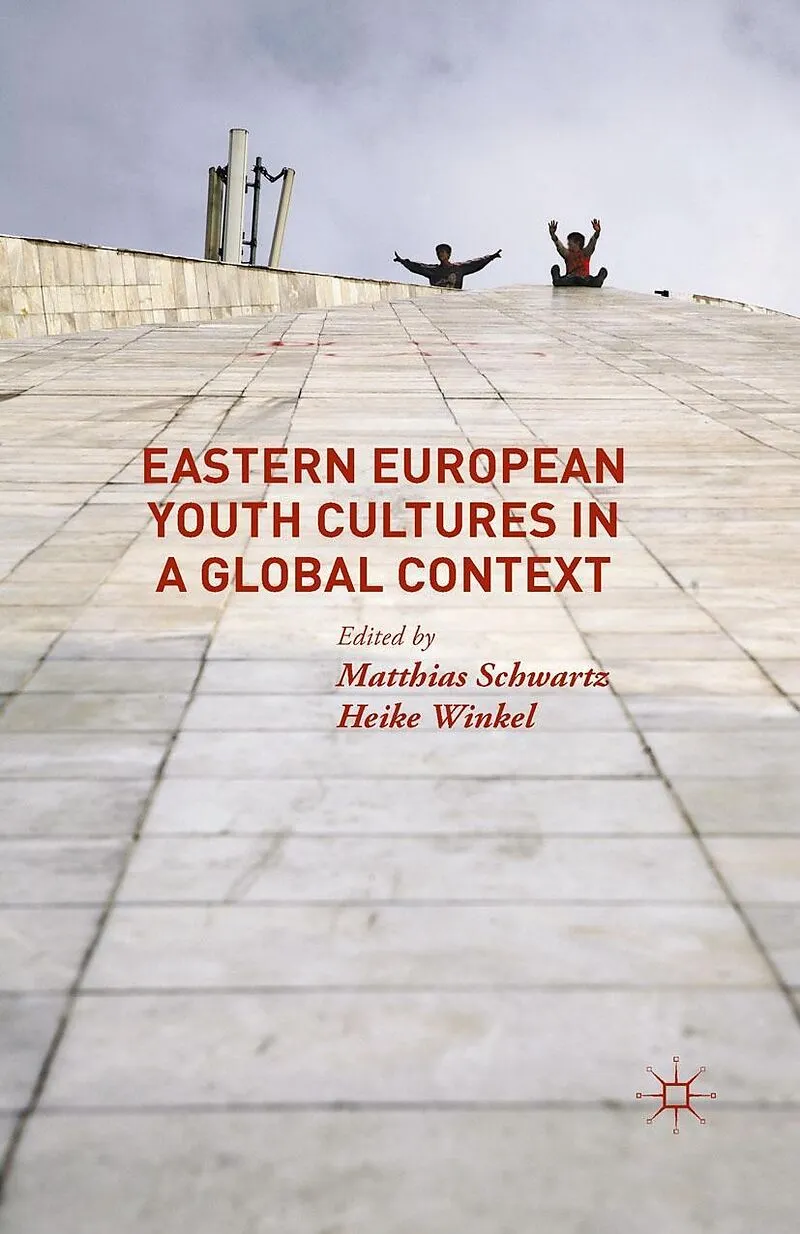
The demise of state Socialisms caused radical social, cultural and economic changes in Eastern Europe. Since then, young people have been confronted with fundamental disruptions and transformations to their daily environment, while an unsettling, globalized w...The demise of state Socialisms caused radical social, cultural and economic changes in Eastern Europe. Since then, young people have been confronted with fundamental disruptions and transformations to their daily environment, while an unsettling, globalized world substantially reshapes local belongings and conventional values. In times of multiple instabilities and uncertainties, this volume argues, young people prefer to try to adjust to given circumstances than to adopt the behaviour of potential rebellious, adolescent role models, dissident counter-cultures or artistic breakings of taboo.
Eastern European Youth Cultures in a Global Context takes this situation as a starting point for an examination of generational change, cultural belongings, political activism and everyday practices of young people in different Eastern European countries from an interdisciplinary perspective. It argues that the conditions of global change not only call for a differentiated evaluation ofyouth cultures, but also for a revision of our understanding of 'youth' itself - in Eastern Europe and beyond.
Autorentext
Matthias Schwartz is a Research Associate at the Centre for Literary and Cultural Research Berlin, Germany. His research interests include the cultural history of Russian and Soviet adventure literature, science fiction and popular sciences; Eastern European youth cultures, memory cultures and cultures of affect; and contemporary literatures in a globalized world.
Heike Winkel is a Research Fellow and lecturer at the Institute for East-European Studies at Freie Universität Berlin, Germany. Her research interests include the Stalinist Soviet Union, contemporary Russian and Czech literature and culture with a focus on identity politics, mnemonic aspects of literature, and intersections of history and literature.
Zusammenfassung
This volume examines contemporary Eastern European youth cultures from an interdisciplinary perspective, investigating how the radical changes resulting from the demise of state Socialisms and concurrent increased globalization processes have resulted in huge challenges for young people and a reimagining of youth itself.
Inhalt
Introduction; Matthias Schwarz and Heike Winkel
PART I: RECONSIDERING GENERATIONAL CHANGE