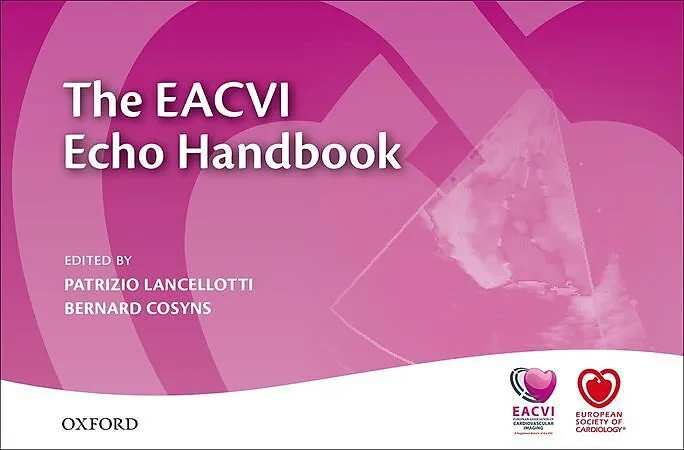
The EACVI Echo Handbook
Beschreibung
The EACVI Echo Handbook is the perfect companion for making both every day and complex clinical decisions. Designed and written by experts for use in the clinical arena, this practical guide provides the necessary information for reviewing, or consulting while...Format auswählen
- Kartonierter EinbandCHF 57.60

Wird oft zusammen gekauft
Andere Kunden kauften auch
Beschreibung
The EACVI Echo Handbook is the perfect companion for making both every day and complex clinical decisions. Designed and written by experts for use in the clinical arena, this practical guide provides the necessary information for reviewing, or consulting while performing or reporting on an echo or making clinical decisions based on echo findings.
Zusatztext This handbook is highly practical and meticulous, and would be of interest to a wide range of professionals in and beyond the field of echocardiography. Informationen zum Autor Patrizio Lancellotti is Professor of Cardiology at Unviersity of Liege, CHU Sart Tilman, Liege, Belgium where he also acts as director of the Cardiogist Intensive Unit and is the head of the Echo Lab and Heart Valve Clinic. He is currently President of the European Association of Cardiovascular Imaging and has been a board memeber of the European Association of Echocardiography since 2004.Bernard Cosyns is Professor of Cardiology at Free University of Brussels. Has been a memeber of the European Association of Echocardiography since 2004. He is currently an executive board member of the European Society of Cardiology. Klappentext The EACVI Echo Handbook is the perfect companion for making both every day and complex clinical decisions. Designed and written by experts for use in the clinical arena, this practical guide provides the necessary information for reviewing, or consulting while performing or reporting on an echo or making clinical decisions based on echo findings. Zusammenfassung Concise, fact-based and packed with images and illustrations The EACVI Echo Handbook is the perfect companion for making both every day and complex clinical decisions. Designed and written by leading experts in the field of echocardiography for use in the clinical arena, this practical handbook provides the necessary information for reviewing, or consulting while performing or reporting on an echo or making clinical decisions based on echo findings.Disease-focussed and succinct, it covers the information needed to accurately perform and interpret echocardiograms, including how to set up the echo-machine to optimize an examination and how to perform echocardiographic disease assessment; the clinical indicators, procedures and contraindications.Linked to EACVI recommendations and the EACVI Core Curriculum The EACVI Echo Handbook is an essential and easily accessible manual on using echocardiography for sonographers and trainee cardiologists that should never be left behind when performing an echocardiogram. Inhaltsverzeichnis Part 1. How to set up the echo-machine to optimize your examination; 1 How to set up the echo-machine to optimize your examination; Part 2. The standard transthoracic echo-examination; 2 2D echo and M-Mode echo; 3 Doppler echocardiography; 4 Functional echocardiography; 5 3D echocardiography; 6 Left ventricular opacification with contrast echocardiography; 7 The storage and report; Part 3. The standard transoesophageal echocardiographic examination; 8 Clinical indications, procedures and contraindications; 9 2D examination; 10 Continuous, colour flow Doppler and pulse wave examination; 11 3D examination; 12 The storage and report; Part 4. Assessment of left ventricular systolic dysfunction; 13 Assessment of left ventricular systolic dysfunction; Part 5. Assessment of diastolic function / dysfunction; 14 Assessment of diastolic function / dysfunction; Part 6. Ischaemic heart disease; 15 Ischaemic heart disease; 16 Chronic ischaemic cardiomyopathy; 17 Coronary arteries; Part 7. Heart valve disease; 18 Aortic stenosis; 19 Pulmonary stenosis; 20 Subvalvular and supravalvular stenosis; 21 Mitral stenosis; 22 Tricuspid stenosis; 23 Aortic regurgitation; 24 Mitral regurgitation; 25 Tricuspid regurgitation; 26 Pulmonary regurgitation; 27 Multivalvular disease; 28 Prosthetic valves; 29 Endocarditis; Part 8. Cardiomyopathies; 30 Dilated cardiomyopathy; 31 Hypertrophic cardiomyopathy; 32 Restrictive cardiomyopathy; 33 Myocarditis; 34 Tako-Tsubo; 35 Arrythmogenic RV cardiomyopathy; Part 9. Right heart function and pulmonary artery pressure; 36 RV function; 37 Volume overload; 38 Pressure overload; Part 10. Pericardial disease; 39 Pericardial effusion; 40 Constrictive pericarditis; 41 Pericardial c...
Autorentext
Patrizio Lancellotti is Professor of Cardiology at Unviersity of Liege, CHU Sart Tilman, Liege, Belgium where he also acts as director of the Cardiogist Intensive Unit and is the head of the Echo Lab and Heart Valve Clinic. He is currently President of the European Association of Cardiovascular Imaging and has been a board memeber of the European Association of Echocardiography since 2004.
Bernard Cosyns is Professor of Cardiology at Free University of Brussels. Has been a memeber of the European Association of Echocardiography since 2004. He is currently an executive board member of the European Society of Cardiology.
Klappentext
Concise, fact-based and packed with images and illustrations The EACVI Echo Handbook is the perfect companion for making both every day and complex clinical decisions. Designed and written by leading experts in the field of echocardiography for use in the clinical arena, this practical handbook provides the necessary information for reviewing, or consulting while performing or reporting on an echo or making clinical decisions based on echo findings.
Disease-focussed and succinct, it covers the information needed to accurately perform and interpret echocardiograms, including how to set up the echo-machine to optimize an examination and how to perform echocardiographic disease assessment; the clinical indicators, procedures and contraindications.
Linked to EACVI recommendations and the EACVI Core Curriculum The EACVI Echo Handbook is an essential and easily accessible manual on using echocardiography for sonographers and trainee cardiologists that should never be left behind when performing an echocardiogram.
Inhalt
Part 1. How to set up the echo-machine to optimize your examination
1: How to set up the echo-machine to optimize your examination
Part 2. The standard transthoracic echo-examination
2: 2D echo and M-Mode echo
3: Doppler echocardiography
4: Functional echocardiography
5: 3D echocardiography
6: Left ventricular opacification with contrast echocardiography
7: The storage and report
Part 3. The standard transoesophageal echocardiographic examination
8: Clinical indications, procedures and contraindications
9: 2D examination
10: Continuous, colour flow Doppler and pulse wave examination
11: 3D examination
12: The storage and report
Part 4. Assessment of left ventricular systolic dysfunction
13: Assessment of left ventricular systolic dysfunction
Part 5. Assessment of diastolic function / dysfunction
14: Assessment of diastolic function / dysfunction
Part 6. Ischaemic heart disease
15: Ischaemic heart disease
16: Chronic ischaemic cardiomyopathy
17: Coronary arteries
Part 7. Heart valve disease
18: Aortic stenosis
19: Pulmonary stenosis
20: Subvalvular and supravalvular stenosis
21: Mitral stenosis
22: Tricuspid stenosis
23: Aortic regurgitation
24: Mitral regurgitation
25: Tricuspid regurgitation
26: Pulmonary regurgitation
27: Multivalvular disease
28: Prosthetic valves
29: Endocarditis
Part 8. Cardiomyopathies
30: Dilated cardiomyopathy
31: Hypertrophic cardiomyopathy
32: Restrictive cardiomyopathy
33: Myocarditis
34: Tako-Tsubo
35: Arrythmogenic RV cardiomyopathy
Part 9. Right heart function and pulmonary artery pressure
36: RV function
37: Volume overload
…