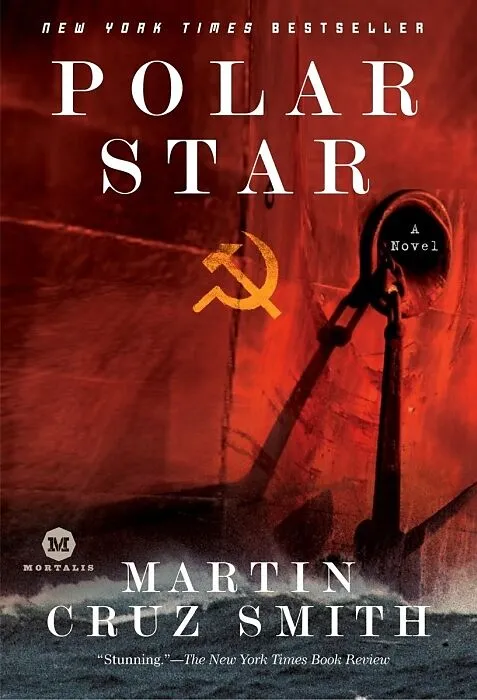
Polar Star
Beschreibung
Zusatztext Stunning. The New York Times Book Review Impossible to put down . . . a book of heart-stopping suspense and intricate plotting! but also a meticulously researched! ambitious literary work of great distinction. The Detroit News Martin Cruz Smith writ...Format auswählen
- Kartonierter EinbandCHF 23.90

Wird oft zusammen gekauft
Andere Kunden kauften auch
Beschreibung
Zusatztext Stunning. The New York Times Book Review Impossible to put down . . . a book of heart-stopping suspense and intricate plotting! but also a meticulously researched! ambitious literary work of great distinction. The Detroit News Martin Cruz Smith writes the most inventive thrillers of anyone in the first rank of thriller writers. The Washington Post Book World Gripping . . . absorbing. The Philadelphia Inquirer Informationen zum Autor Martin Cruz Smith 's novels include Gorky Park , Stallion Gate , Polar Star , Stalin's Ghost , Rose , December 6 , Tatiana, and The Girl from Venice . He is a two-time winner of the Hammett Prize, a recipient of Britain's Golden Dagger Award, and a winner of the Premio Piemonte Giallo Internazionale. He lives in California. Klappentext He made too many enemies. He lost his party membership. Once Moscow's top criminal investigator, Arkady Renko now toils in obscurity on a Russian factory ship working with American trawlers in the middle of the Bering Sea. But when an adventurous female crew member is picked up dead with the day's catch, Renko is ordered by his captain to investigate an accident that has all the marks of murder. Up against the celebrated Soviet bureaucracy once more, Renko must again become the obsessed, dedicated cop he was in Gorky Park and solve a chilling mystery fraught with international complications. Praise for Polar Star "Stunning."-The New York Times Book Review "Impossible to put down . . . a book of heart-stopping suspense and intricate plotting, but also a meticulously researched, ambitious literary work of great distinction."-The Detroit News "Martin Cruz Smith writes the most inventive thrillers of anyone in the first rank of thriller writers."-The Washington Post Book World "Gripping . . . absorbing."-The Philadelphia Inquirer Zusammenfassung He made too many enemies. He lost his party membership. Once Moscow's top criminal investigator! Arkady Renko now toils in obscurity on a Russian factory ship working with American trawlers in the middle of the Bering Sea. But when an adventurous female crew member is picked up dead with the day's catch! Renko is ordered by his captain to investigate an accident that has all the marks of murder. Up against the celebrated Soviet bureaucracy once more! Renko must again become the obsessed! dedicated cop he was in Gorky Park and solve a chilling mystery fraught with international complications. Praise for Polar Star Stunning. The New York Times Book Review Impossible to put down . . . a book of heart-stopping suspense and intricate plotting! but also a meticulously researched! ambitious literary work of great distinction. The Detroit News Martin Cruz Smith writes the most inventive thrillers of anyone in the first rank of thriller writers. The Washington Post Book World Gripping . . . absorbing. The Philadelphia Inquirer ...
ldquo;Stunning.”—The New York Times Book Review
“Impossible to put down . . . a book of heart-stopping suspense and intricate plotting, but also a meticulously researched, ambitious literary work of great distinction.”—The Detroit News
“Martin Cruz Smith writes the most inventive thrillers of anyone in the first rank of thriller writers.”—The Washington Post Book World
“Gripping . . . absorbing.”—The Philadelphia Inquirer
Autorentext
Martin Cruz Smith’s novels include Gorky Park, Stallion Gate, Polar Star, Stalin’s Ghost, Rose, December 6, Tatiana, and The Girl from Venice. He is a two-time winner of the Hammett Prize, a recipient of Britain’s Golden Dagger Award, and a winner of the Premio Piemonte Giallo Internazionale. He lives in California.
Klappentext
He made too many enemies. He lost his party membership. Once Moscow's top criminal investigator, Arkady Renko now toils in obscurity on a Russian factory ship working with American trawlers in the middle of the Bering Sea. But when an adventurous female crew member is picked up dead with the day's catch, Renko is ordered by his captain to investigate an accident that has all the marks of murder. Up against the celebrated Soviet bureaucracy once more, Renko must again become the obsessed, dedicated cop he was in Gorky Park and solve a chilling mystery fraught with international complications.
Praise for Polar Star
"Stunning."-The New York Times Book Review
"Impossible to put down . . . a book of heart-stopping suspense and intricate plotting, but also a meticulously researched, ambitious literary work of great distinction."-The Detroit News
"Martin Cruz Smith writes the most inventive thrillers of anyone in the first rank of thriller writers."-The Washington Post Book World
"Gripping . . . absorbing."-The Philadelphia Inquirer
Zusammenfassung
He made too many enemies. He lost his party membership. Once Moscow’s top criminal investigator, Arkady Renko now toils in obscurity on a Russian factory ship working with American trawlers in the middle of the Bering Sea. But when an adventurous female crew member is picked up dead with the day’s catch, Renko is ordered by his captain to investigate an accident that has all the marks of murder. Up against the celebrated Soviet bureaucracy once more, Renko must again become the obsessed, dedicated cop he was in Gorky Park and solve a chilling mystery fraught with international complications.
Praise for Polar Star
“Stunning.”—The New York Times Book Review
“Impossible to put down . . . a book of heart-stopping suspense and intricate plotting, but also a meticulously researched, ambitious literary work of great distinction.”—The Detroit News
“Martin Cruz Smith writes the most inventive thrillers of anyone in the first rank of thriller writers.”—The Washington Post Book World
“Gripping . . . absorbing.”—The Philadelphia Inquirer
Leseprobe
1
 
Like a beast, the net came steaming up the ramp and into the sodium lamps of the trawl deck. Like a gleaming pelt, mats of red, blue, orange strips covered the mesh: plastic “chafing hair” designed to ease the net’s way over the rocks of the sea bottom. Like rank breath, the exhalation of the sea’s cold enveloped the hair in a halo of its own colors, brilliant in the weepy night.
 
Water hissed from the net’s plastic hair onto the wooden boards that provided footing on the deck. Smaller fish, smelts and herring, fell free. Starfish dropped like stones. Uprooted crabs, even dead, landed on tiptoe. Overhead, gulls and shearwaters hovered at the outer glow of the lamps. As the wind shifted the birds broke into a swirl of white wings.
 
Usually the net was tipped and disgorged headfirst into the forward chutes to begin with, then ass-end into the rear. Either end could be opened by releasing the knot of a “zipper,” a nylon cord braided through the mesh. Though the men stood by with shovels ready for work, the trawlmaster waved them off and stepped into the water raining from the net’s plastic hair and stared straight up, removing his helmet the better to see. The colored strips dripped like running paint. He reached and spread the hair from the mesh, then looked into the dark to find the other, smaller light riding the ocean swells, but already fog hid the catcher boat the net had come from. From his belt the trawlmaster took a double-edged knife, reached through the dripping plastic hair and sawed the belly of the net down and across. Fish began dropping by ones and twos. He gave the knife a last furious tug and stepped back quickly.
 
Out of the net and into the light spilled a flood of silver po…