Beschreibung
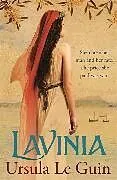
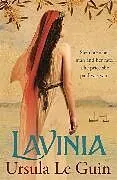
Lavinia, Tochter des Königs Latinus und Königin Amata, steht vor ihrer Hochzeit. Ihre Mutter beharrt auf ihren eigenen Neffen Turnus als Bräutigam, dem König des Nachbarreichs Rituli. Attraktiv und heldenhaft ist Turnus der Traum aller Frauen, aber das Orakel ...Lavinia, Tochter des Königs Latinus und Königin Amata, steht vor ihrer Hochzeit. Ihre Mutter beharrt auf ihren eigenen Neffen Turnus als Bräutigam, dem König des Nachbarreichs Rituli. Attraktiv und heldenhaft ist Turnus der Traum aller Frauen, aber das Orakel prophezeit Lavinia die Ehe mit einem jüngst eingereisten Fremden und Dichter aus Troja: Aeneas. Als Lavinia die Heirat mit Aeneas durchsetzen will, löst sie damit einen Bürgerkrieg aus ... Le Guins antikes Latium ist so außergewöhnlich wie das von Virgil, jedoch sind ihre Charaktere geerdet, real und angenehm alltäglich.
Zusatztext a superbly researched, beautifully written, profound and moving novel Informationen zum Autor Ursula K. Le Guin (1929-2018) was a celebrated author whose body of work includes 23 novels, 12 volumes of short stories, 11 volumes of poetry, 13 children's books, five essay collections, and four works of translation. The breadth and imagination of her work earned her six Nebula Awards, seven Hugo Awards, and SFWA's Grand Master, along with the PEN/Malamud and many other awards. In 2014 she was awarded the National Book Foundation Medal for Distinguished Contribution to American Letters, and in 2016 joined the short list of authors to be published in their lifetimes by the Library of America. Klappentext An exceptional combination of history and mythology - 'an intriguing, luxuriously realised novel' FINANCIAL TIMES 'Subtly moving, playful...a novel that brought me to tears more than once. Lavinia is a delightful heroine' GUARDIAN 'Like Spartan Helen, I caused a war. She caused hers by letting men who wanted her take her. I caused mine because I wouldn't be given, wouldn't be taken, but chose my man and my fate. The man was famous, the fate obscure; not a bad balance.' Lavinia is the daughter of the King of Latium, a victorious warrior who loves peace; she is her father's closest companion. Now of an age to wed, Lavinia's mother favours her own kinsman, King Turnus of Rutulia, handsome, heroic, everything a young girl should want. Instead, Lavinia dreams of mighty Aeneas, a man she has heard of only from a ghost of a poet, who comes to her in the gods' holy place and tells her of her future, and Aeneas' past... If she refuses to wed Turnus, Lavinia knows she will start a war - but her fate was set the moment the poet appeared to her in a dream and told her of the adventurer who fled fallen Troy, holding his son's hand and carrying his father on his back... An exceptional combination of history and mythology - 'an intriguing, luxuriously realised novel' FINANCIAL TIMES Zusammenfassung An exceptional combination of history and mythology - 'an intriguing, luxuriously realised novel' FINANCIAL TIMES...
a superbly researched, beautifully written, profound and moving novel
Vorwort
An exceptional combination of history and mythology - 'an intriguing, luxuriously realised novel' FINANCIAL TIMES
Autorentext
Ursula K. Le Guin (1929-2018) was a celebrated author whose body of work includes 23 novels, 12 volumes of short stories, 11 volumes of poetry, 13 children's books, five essay collections, and four works of translation. The breadth and imagination of her work earned her six Nebula Awards, seven Hugo Awards, and SFWA's Grand Master, along with the PEN/Malamud and many other awards. In 2014 she was awarded the National Book Foundation Medal for Distinguished Contribution to American Letters, and in 2016 joined the short list of authors to be published in their lifetimes by the Library of America.
Klappentext
An exceptional combination of history and mythology - 'an intriguing, luxuriously realised novel' FINANCIAL TIMES
**
'Subtly moving, playful...a novel that brought me to tears more than once. Lavinia is a delightful heroine' GUARDIAN
**
'Like Spartan Helen, I caused a war. She caused hers by letting men who wanted her take her. I caused mine because I wouldn't be given, wouldn't be taken, but chose my man and my fate. The man was famous, the fate obscure; not a bad balance.'
Lavinia is the daughter of the King of Latium, a victorious warrior who loves peace; she is her father's closest companion. Now of an age to wed, Lavinia's mother favours her own kinsman, King Turnus of Rutulia, handsome, heroic, everything a young girl should want. Instead, Lavinia dreams of mighty Aeneas, a man she has heard of only from a ghost of a poet, who comes to her in the gods' holy place and tells her of her future, and Aeneas' past...
If she refuses to wed Turnus, Lavinia knows she will start a war - but her fate was set the moment the poet appeared to her in a dream and told her of the adventurer who fled fallen Troy, holding his son's hand and carrying his father on his back...