
IHR WARENKORB IST AKTUELL LEER.
Haben Sie noch nichts passendes gefunden? Stöbern Sie durch unser komplettes Sortiment.
Oder melden Sie sich an bzw. registrieren Sie sich.
- Kostenlose Lieferung
- Kauf auf Rechnung
- Ex Libris Tiefpreis
- Filiallieferung und 650+ Abholorte
- Rabatt-Bons als Club-Mitglied
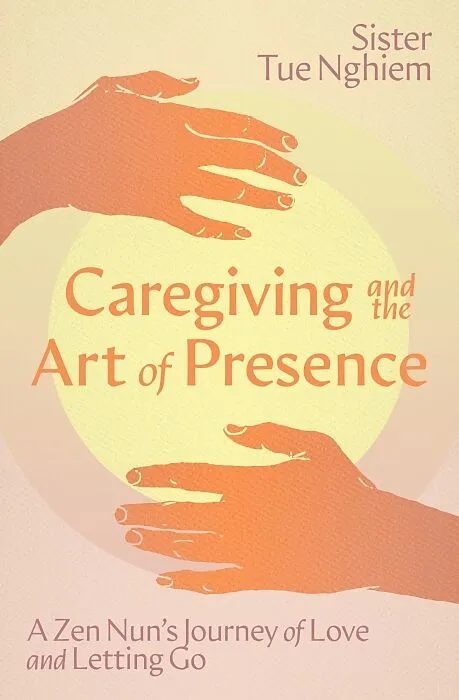
Caregiving and the Art of Presence
Beschreibung
In this tender, honest memoir spanning the last decade of her mother''s life, a Vietnamese American Zen teacher shares the deep challenges, unexpected gifts, and;pathways through the overwhelming exhaustion and isolation of caregiving with the practice of pres...Format auswählen
- TaschenbuchCHF 20.00

Wird oft zusammen gekauft
Andere Kunden kauften auch
Beschreibung
In this tender, honest memoir spanning the last decade of her mother''s life, a Vietnamese American Zen teacher shares the deep challenges, unexpected gifts, and;pathways through the overwhelming exhaustion and isolation of caregiving with the practice of presence and mindfulness. Ordaining as a Buddhist nun right after university, the author set out to cultivate peace and study and practice mindfulness under the tutelage of war refugee and Zen master Thich Nhat Hanh. When the health of her beloved mother, Ma, begins to decline, she is confronted with the challenge of applying Zen teachings on compassion and equanimity to real life. Through caring for Ma, a widow who had taken her five small children on a rickety boat onto the open seas to seek refuge from the war in Vietnam--and gone on to raise them in America alone--Sister Tue Nghiem discovers insights on healing from the long-term effects of war on the human family, as well as on her own mind and body. Drawing on her lifetime of mindfulness practice and the ancestral wisdom of Zen, she explores how a caregiver can remain grounded, compassionate, and free while navigating the emotional weight of a parent''s declining health. Through the author''s journey with her mother--alongside her brother and niece, also monastics--she reveals how developing the art of presence and mindfulness can be the keys to provide connection, clarity, and peace, even in the most difficult moments of caregiving.
Autorentext
Sister Tuệ Nghiêm (“Sister Insight”) ordained as a novice nun on December 11th, 1993, in Plum Village France. She was authorized to teach by Thich Nhat Hanh on February 19th, 1999. She regularly leads retreats in Europe, Asia, Australia, and North America.
Born in Vietnam, Sister Tue Nghiem grew up in California and studied psychology at university, with a strong interest in the mind and the aspiration to alleviate the mental pain she saw around her. The same interest and aspiration then brought her to Plum Village France, to train and ordain in mindfulness practice under Zen Master Thich Nhat Hanh.
Sister Tuệ Nghiêm balances her time in teaching and administrative roles in the monastery with growing organic vegetables in the gardens. She firmly believes in taking care of the body to sustain the practice, thus sharing her experience in holistic medicine, yoga, Qi Gong, and nutrition with the community.
Klappentext
In this tender, honest memoir spanning the last decade of her mother's life, a Vietnamese American Zen teacher shares the deep challenges, unexpected gifts, and pathways through the overwhelming exhaustion and isolation of caregiving with the practice of presence and mindfulness.
Ordaining as a Buddhist nun right after university, the author set out to cultivate peace and study and practice mindfulness under the tutelage of war refugee and Zen master Thich Nhat Hanh. When the health of her beloved mother, Ma, begins to decline, she is confronted with the challenge of applying Zen teachings on compassion and equanimity to real life. Through caring for Ma, a widow who had taken her five small children on a rickety boat onto the open seas to seek refuge from the war in Vietnam—and gone on to raise them in America alone—Sister Tue Nghiem discovers insights on healing from the long-term effects of war on the human family, as well as on her own mind and body.
Drawing on her lifetime of mindfulness practice and the ancestral wisdom of Zen, she explores how a caregiver can remain grounded, compassionate, and free while navigating the emotional weight of a parent's declining health. Through the author's journey with her mother—alongside her brother and niece, also monastics—she reveals how developing the art of presence and mindfulness can be the keys to provide connection, clarity, and peace, even in the most difficult moments of caregiving.
Zusammenfassung
In this tender, candid memoir looking back over the last seven years of her mother's life, a Vietnamese American Zen teacher shares the deep challenges, unexpected gifts, and the pathways she found through the responsibilities of caregiving and the long-term aftermath of loss.
Ordaining as a Buddhist nun right after university, the young Sister Tuệ Nghiêm (Sister Insight) set out to study and practice mindfulness under the tutelage of the celebrated Zen master Thích Nhất Hạnh, a war refugee and celebrated peace activist. When the health of her beloved mother begins to decline, she is confronted with the challenge of applying Zen teachings on impermanence to real life. Through caring for Má, a widow who had taken her five small children on a rickety boat onto the open seas to seek refuge from the war in Vietnam and raised them in America singlehandedly—the author discovers insights on self-care and healing in her own mind and body.
Zig-zagging in space and time between the United States, Vietnam, and France, Sister Tuệ Nghiêm reveals how developing the art of presence can be a key to resiliency, connection, clarity, and peace, even in the most difficult moments of caregiving and anticipatory grief. Drawing on her lifetime of mindfulness practice and the ancestral wisdom of Zen, she shares how taking a silent retreat ten years after her mother's death helps her integrate her love for her mother into her love for all beings, and explores how a caregiver can remain grounded, compassionate, and free while navigating the emotional weight of a parent's declining health.
As well as being a moving story of a woman's love for her mother, the book includes a resource section with Zen teachings on presence for caregivers.
Leseprobe
**Preface: We Can Suffer Less
**
Ten years after the passing of my mother, I sat down to write about my experience of caregiving for her during her final years, a difficult and spiritually transformative period of my life. I have been practicing mindfulness a long time; soon after graduating from university, in 1993 I ordained as a Buddhist nun in the Vietnamese Zen tradition of the great teacher Venerable Thích Nhất Hạnh, “the father of mindfulness.” As a nun, my vocation has been to serve others and to share the path of mindfulness in daily life, to help bring about more peace in myself and in the world.
Yet for many years—while I was caregiving during my mother’s last illness and for a long time afterward—I couldn’t write about my experience. During that time, if someone had asked me, “How are you?” I might have said, “I’m okay.” The truth is, I was so overwhelmed by my mother’s needs and my own suffering that I didn’t fully realize the physical and mental toll of caregiving until many years later. I didn’t have the words to express what I was going through, or even the time to reflect. It took all my powers of concentration just to be present for my mother and offer her my love and care, to try to meet her changing needs as her health deteriorated.
As a nun and Dharma teacher, I’ve given many talks over the years, but whenever I share about my mother, I receive the most heartfelt responses. People approach me afterward and say: It’s happening to me too. My mother (or father, or grandparent, or spouse, or sibling) is aging. Someone I love is losing their memory and becoming confused. They behave in ways that don’t make sense. I don’t know how to support them. It’s so painful. What can I do?
In Plum Village, the monastery and practice center where I live, we nuns are often occupied taking care of guests who come for retreats, sometimes hundreds of people at a time. We practice mindfulness together and learn how to embrace our difficult emotions and…