Beschreibung
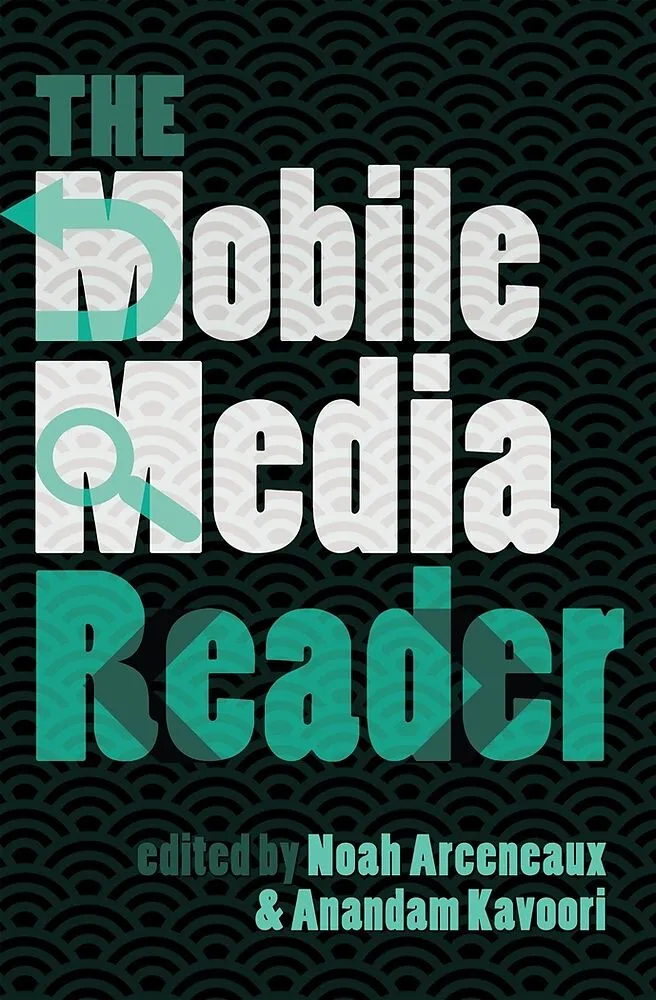
Portable phones are now miniature multi-media centers that can fit neatly in one's pocket, and media industries of all types are adapting content for these new platforms, or innovating entirely new forms. In the light of this explosive growth, this diverse col...Portable phones are now miniature multi-media centers that can fit neatly in one's pocket, and media industries of all types are adapting content for these new platforms, or innovating entirely new forms. In the light of this explosive growth, this diverse collection of essays establishes conceptual, critical frameworks for evaluating the latest transformations of the media landscape. Some essays provide historical context, exploring older phenomena such as the CB radio, automobile radio, and hand-held video games, while others unpack the behind-the-scenes negotiations that determine what kinds of services are available to consumers of the latest technology. The Mobile Media Reader is a comprehensive road map, enabling both scholars and students to examine the social, cultural, and commercial implications of media that are available anywhere at any time.
Autorentext
Noah Arceneaux is Assistant Professor in the School of Journalism and Media Studies at San Diego State University. His research explores the social construction of new media technologies, ranging from wireless telegraphy to emerging forms of mobile media. His work has been published in a number of journals, and he is the co-editor of The Cell Phone Reader (Lang, 2006). Anandam Kavoori is Professor in the Grady College of Journalism and Mass Communication at the University of Georgia. He is the author or editor of eight books including Reading YouTube (Lang, 2011), Digital Media Criticism (Lang, 2010), and co-editor of The Cell Phone Reader (Lang, 2006).
Zusammenfassung
A collection of essays establishes conceptual, critical frameworks for evaluating the latest transformations of the media landscape. It is a comprehensive road map, enabling both scholars and students to examine the social, cultural, and commercial implications of media that are available anywhere at any time.
Inhalt
Contents: Noah Arceneaux/Anandam Kavoori: Introduction: Mapping Mobile Media Jason Farman: Historicizing Mobile Media: Locating the Transformations of Embodied Space Scott W. Ruston: Calling Ahead: Cinematic Imaginations of Mobile Mediäs Critical Affordances Matthew A. Killmeier: Analog Analogue: U.S. Automotive Radio as Mobile Medium Noah Arceneaux: CB Radio: Mobile Social Networking in the 1970s Thomas W. Hazlett: A Brief History of U.S. Mobile Spectrum Aymar Jean Christian: Not TV, Not the Web: Mobile Video Between Openness and Control Gerard Goggin/Caroline Hamilton: Reading After the Phone: E-readers and Mobile Media Collette Snowden: As It Happens: Mobile Communications Technology, Journalists and Breaking News Samuel Tobin: Time and Space in Play: Saving and Pausing with the Nintendo DS Ben Aslinger: You Can Ring My Bell and Tap My Phone: Mobile Music, the Ringtone Economy, and the Rise of Apps Burçe Çelik: Appropriation of Cell Phones by Kurds: The Social Practice of Struggle for Political Identities in Turkey Imar de Vries: Through the Looking Cell Phone Screen: Dreams of Omniscience in an Age of Mobile Augmented Reality.