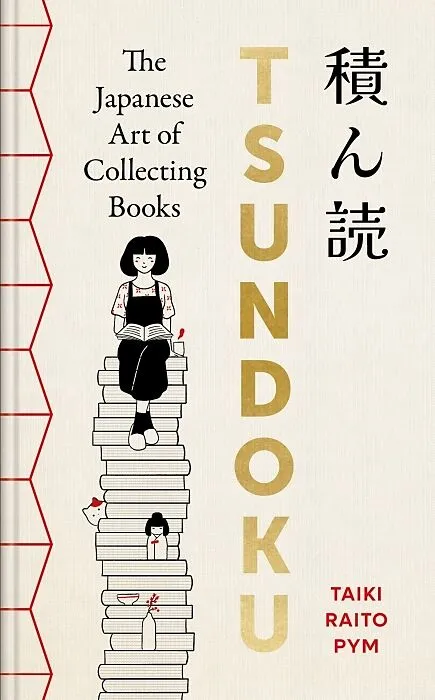
Tsundoku
Beschreibung
The term tsundoku dates to the Meiji Era (1868-1912) as a dialectical word. The Japanese term sums up a concept that will sound familiar to many readers: buying books and keeping them aside, to read them at a later date. The fact is that a quick calculation is...Format auswählen
- Fester EinbandCHF 25.90

Wird oft zusammen gekauft
Andere Kunden kauften auch
Beschreibung
The term tsundoku dates to the Meiji Era (1868-1912) as a dialectical word. The Japanese term sums up a concept that will sound familiar to many readers: buying books and keeping them aside, to read them at a later date. The fact is that a quick calculation is enough to understand that those books that we have accumulated in the famous "piles of shame" on the bedside table or in any other free space in our home are too many to be read in a single lifetime. And this is where the art of living tsundoku comes in, which is full of unpredictable facets: the joy of choosing and buying books, the rebellion against lists, creative ways to organize your bookshelves, the best excuses for when you are caught red-handed with yet another new book, techniques for not forgetting what you have already read, the forbidden pleasure of rereading... But, above all, this philosophy reminds us that we do not necessarily have to have read all the books we own to love them unconditionally. Feelings of guilt, be gone! Unread books can be even more fascinating because they take us on wonderful journeys, and speak to us regardless, whether we open them or keep them closed. We know that books are a cure for the soul: just touching one, smelling one, or leafing through one makes us feel better immediately.>
Autorentext
Taiki Raito Pym is not a single person, but the pseudonym of a group of passionate readers who have fallen victim to tsundoku. Books began to occupy their homes ever since they were children and, by the time they realized it, books had already taken over their living spaces. However, they allowed them do it. The one thing they all have in common is that they own more books than they can read in a single lifetime: and to tell the truth, they are happy nonetheless. And of course, they all have at least one cat. But that is another story!
Klappentext
An ode to the quiet joy of collecting more books than we could ever possibly read - and loving them all the same...
Drawing on the evocative Japanese term tsundoku - first coined in the Meiji era to describe the growing stacks of unread books that accumulate around devoted readers - this insightful and warmly humorous book reframes what some might see as clutter or guilt as a deeply meaningful way of living.
From the tactile pleasure of flipping through pages to the quiet ritual of rearranging overflowing shelves, Tsundoku explores the psychology, culture, and poetry behind the irresistible urge to collect and cherish books. It offers meditations on the joy of choosing and buying books, the rebellion against reading lists, creative ways to organise your shelves, foolproof excuses for sneaking in yet another new title, techniques for remembering what you've read, and the guilty - but glorious - pleasure of re-reading.
Above all, this philosophy reminds us that we do not necessarily have to have read all the books we own to love them unconditionally. Feelings of guilt, be gone! Unread books can be even more fascinating because they take us on wonderful journeys, and speak to us regardless, whether we open them or keep them closed. We know that books are a cure for the soul: just touching one, smelling one, or leafing through one makes us feel better immediately.