Beschreibung
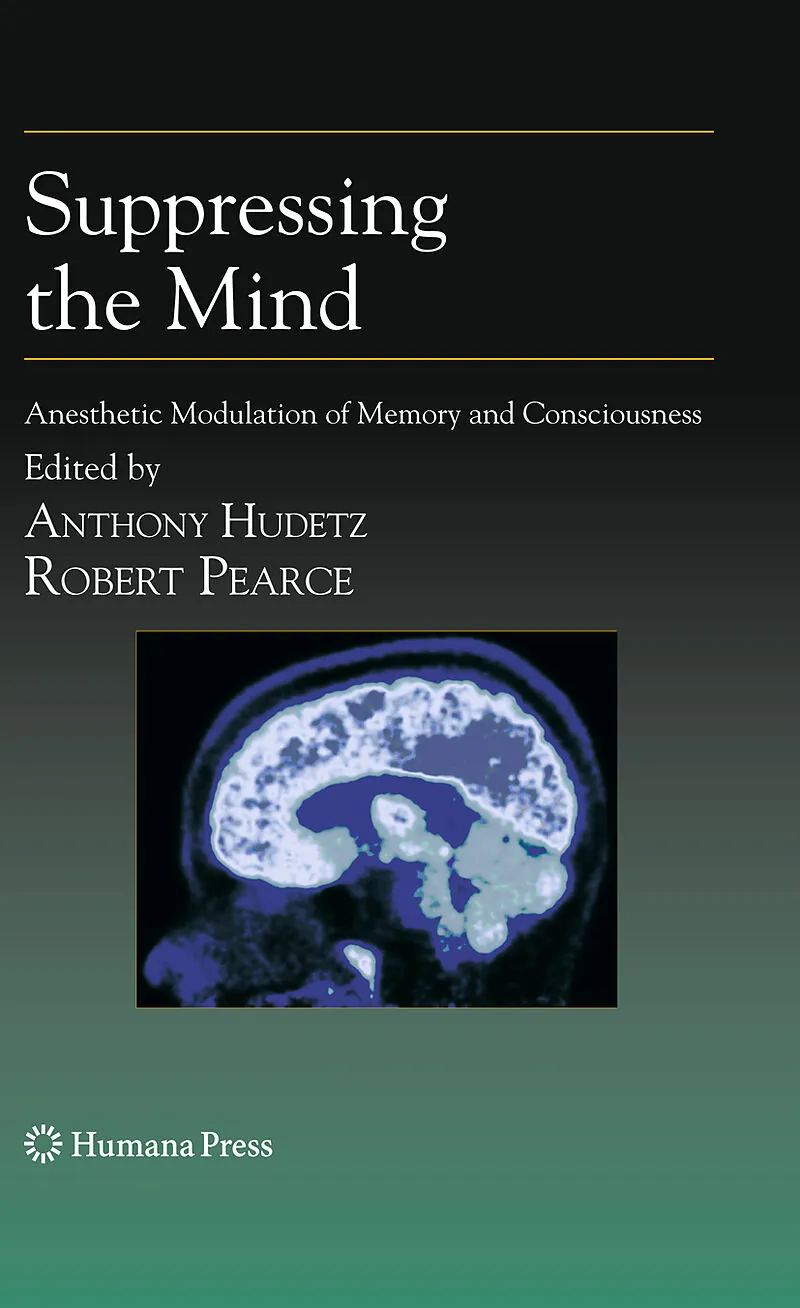
This book presents original results as well opinionated overviews of the current state of knowledge of the problem of anesthesia-induced unconsciousness and amnesia. It synthesizes information that has begun to reveal answers to the mystery of anesthesia. Anes...This book presents original results as well opinionated overviews of the current state of knowledge of the problem of anesthesia-induced unconsciousness and amnesia. It synthesizes information that has begun to reveal answers to the mystery of anesthesia.
Anesthetics produce a reversible state of unconsciousness accompanied by ante- grade amnesia. This remarkable phenomenon brings great relief to surgical patients and wonder to clinicians and scientists. To date, we do not fully understand the mechanisms by which anesthetics ablate conscious sensation and memory. We are, however, making progress. This book presents original results as well as overviews of the current state of knowledge of the problem. It is authored by investigators who know the ?eld well; their research at a number of levels has contributed substantially to our c- rent understanding of anesthetic modulation of memory and consciousness. Most of the contributors were presenters at two workshops organized by Dr. Pearce and Dr. Hudetz at the 40th Annual Winter Conference on Brain Research, held at Snowmass Village, Colorado, from January 27 through February 2, 2007. One workshop focused on anesthetic modulation of consciousness and another on an- thetic modulation of memory. Seven of the chapters are based on material presented at these symposia appropriately updated with new relevant ?ndings. This infor- tion is supplemented by chapters on anesthesia and sleep, computational analysis of the state of anesthesia, and the clinical phenomenon of anesthesia awareness, a topic that has recently received much public attention. With these three additional contributions, the book thus includes 10 chapters.
Multidisciplinary collection of original results and authoritative overviews of the current state of knowledge Written by investigators internationally known for their significant contribution to the current understanding of the mechanism of anesthesia Bridges molecular, cellular, integrative and systems-level actions of anesthetics with respect to their effects on consciousness and memory Includes supplementary material: sn.pub/extras
Klappentext
By suppressing memory and consciousness - two components of the mind - anesthetics provide great relief to surgical patients and elicit wonder in clinicians and scientists. To-date we do not fully understand the mechanisms by which these effects are achieved. However, with recent advances in investigational technologies, ranging from molecular modeling and genetic manipulation to noninvasive functional brain imaging and computational approaches, substantial progress toward this goal has been made during the last decade.
Suppressing the Mind is a multidisciplinary collection of original results and authoritative overviews of the current state of knowledge of the problem written by investigators who are internationally known for their significant contribution to our current understanding of the mechanism of anesthesia. It attempts to bridge molecular, cellular, integrative and systems-level actions of anesthetics with respect to their effects on consciousness and memory. Through a better understanding of how anesthetics work, we hope to also uncover the neurobiological bases of some of the deepest mysteries of the human mind; how it self-reflectively knows, perceives and remembers.
This book should appeal to anesthesiologists, neurologists, psychologists, neuroscientists -- essentially anyone interested in anesthesia, consciousness, or memory. It provides insight into the current state of knowledge, and a perspective for future treatments of the subject as guided by novel hypotheses.
Inhalt
Molecular Targets of General Anesthetics in the Nervous System.- A Neurochemical Perspective on States of Consciousness.- Anesthetic Modulation of Auditory Perception: Linking Cellular, Circuit, and Behavioral Effects.- Cortical Disintegration Mechanism of Anesthetic-Induced Unconsciousness.- Anesthesia and the Thalamocortical System.- Anesthesia-Induced State Transitions in Neuronal Populations.- Anesthesia Awareness: When the Mind Is Not Suppressed.- Loss of Recall and the Hippocampal Circuit Effects Produced by Anesthetics.- Modulation of the Hippocampal ?-Rhythm as a Mechanism for Anesthetic-Induced Amnesia.- Propofol Amnesia What is Going on in the Brain?.