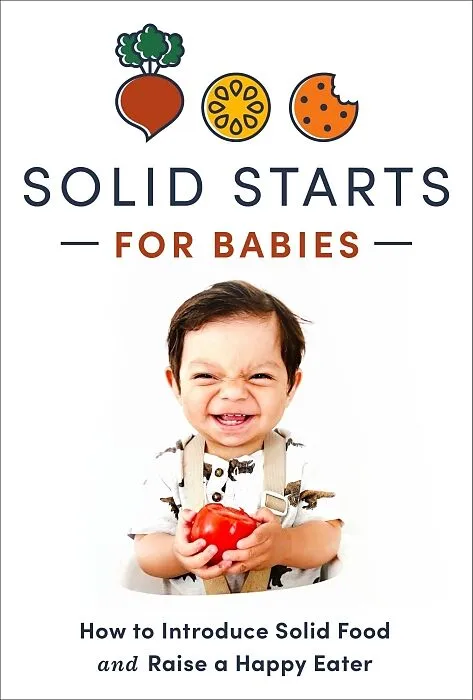
Solid Starts for Babies
Beschreibung
The definitive guide to introducing real food to babies--from the board-certified pediatric feeding pros trusted by millions of parents around the world. Led by a multidisciplinary team of licensed pediatric feeding professionals, Solid Starts has emerged as t...Format auswählen
- Fester EinbandCHF 25.60

Wird oft zusammen gekauft
Andere Kunden kauften auch
Beschreibung
The definitive guide to introducing real food to babies--from the board-certified pediatric feeding pros trusted by millions of parents around the world. Led by a multidisciplinary team of licensed pediatric feeding professionals, Solid Starts has emerged as the go-to resource for modern families searching for a research-based approach to solid food introduction to babies. In their debut book, they debunk the myth that “baby food” is necessary, and show how, from the moment that baby is ready to begin the transition from breast or bottle to solid food, baby can enjoy almost any food--the same food that you want to eat--with some basic safety modifications. In this book, they share: With practical, research-backed strategies, <Solid Starts for Babies< helps parents nurture confidence and sets up families;for mealtime joy.
Autorentext
Solid Starts
Klappentext
"With over 1 Million visits per month, 2 Million app users and 2.7 Million followers on Instagram, it's clear that Solid Starts is offering something that parents can't find anywhere else. Led by a team of pediatric feeding experts, doctors, dietitians, nutritionists and regular moms and dads - Solid Starts has quickly become the authority on how to introduce real food to babies while preventing and reversing picky eating. When Jenny Best became pregnant with twins, she decided this time would be different. After struggling with her oldest sons extreme picky eating due to prolonged spoon feeding of purees, she was committed to finding a way to raise happy eaters. Around 6 months is the time when most parents begin to explore their options and for Jenny, while she was terrified by this new approach, but she knew she needed to try something different. This began our founders journey into assembling an expert team, with diverse families at the center to model and make this approach accessible to millions. In their long awaited book, Solid Starts for Babies: How to Introduce Real Food to Baby & Raise A Happy Eater, offers parents a practical guide that cultivates curiosity and debunks that myth that baby food is necessary. With expert advice on introducing new flavors and textures, sensory motor learning, guidance on sharing family meals with baby, safety and allergy information, table gear, and overcoming challenges at the table, this is a first of it's kind book. A perfect blend of the psychological and physical aspects that grows with your baby, introducing them to any food and raising a happy eater"--
Zusammenfassung
**NATIONAL BESTSELLER • The definitive guide to introducing real food to babies—from the board-certified experts on baby-led weaning and feeding, trusted by millions of parents around the world.
“Like a conversation with a trustworthy friend who is also a seasoned pediatric expert.”—Tina Payne Bryson, PhD, New York Times bestselling co-author of The Whole-Brain Child and No-Drama Discipline, and author of The Bottom Line for Baby
**
Led by a multidisciplinary team of licensed pediatric feeding professionals, Solid Starts has emerged as the go-to resource for modern families searching for a research-based approach to solid food introduction to babies. In their debut book, they debunk the myth that “baby food” is necessary and show how, from the moment that baby is ready to begin the transition from breast or bottle to solid food, baby can enjoy almost any food—the same food that you want to eat—with some basic safety modifications. In this book, they share:
• How to cultivate curiosity, build trust at the table, and get out of the way at mealtime so babies can do what they were born to do: eat.
• How the early introduction to many flavors and textures before age one builds baby's palate and familiarity with food before the opinionated toddler years.
• Why food need not be pureed and why six-month-old babies are developmentally capable of eating real food.
• Why allowing baby to grab, hold, and eat food on their own maximizes sensory motor learning, fosters problem-solving skills, and can actually decrease the risk of choking.
• The nutritional, developmental, and psychological benefits to sharing the same food that you like to eat with baby.
• Techniques and guidance for sharing family meals with baby during each development window, from four months of age through early toddlerhood.
• The latest evidence on choking, safety, food allergens, nutrition, food shapes and sizes, and how recommendations are rapidly changing.
With practical, research-backed strategies, Solid Starts for Babies helps parents nurture confidence and sets up families for mealtime joy.
Leseprobe
Chapter One
Choosing the Long Game
You sit down with your baby for dinner. You’re having a simple meal tonight, something that was easy to prepare, which you enjoy. You serve your baby the same food you serve yourself. There’s no pressure to eat anything. You happily focus on your meal, enjoying your food while baby smashes and explores theirs. You converse with your baby even though you’re not sure they understand you. Laughter fills the room. You are relaxed and calm. Everyone eats what they want, and leaves what they don’t, including baby, who pushes food off the table to let you know they are done. There’s food all over baby’s face, and you laugh about that, too.
Human beings are connection-driven creatures. There is a special feeling of ease and comfort when we are doing things alongside other people we love. Mealtimes are just as much about personal connections as they are about the food. This is true for baby, too. Eating with you is a space for developing relationships as much as eating skills. The preceding anecdote isn’t really about dinner. It’s a story about relationships: the relationship between baby and their food, between baby and their body, and between you and baby. Every meal has potential to strengthen each of these connections.
It may sound obvious to say that love and trust are essential in all this, but sometimes what is most basic is what bears the most repeating. Parents and caregivers want to feed babies in the best way they can, but even the most attentive feeder can fall into the trap of focusing so deeply on the details of what to feed baby (or how much baby consumes) that they lose sight of the big picture—the joy of food and connection at the table.
When you make the table a place of connection, where everyone feels safe, cared for, and listened to, your child will want to keep coming back. They will feel seen and ready to learn. They will understand what it means to feel full in a way that is self-determined. Focusing on your relationship with your baby at the table is what we like to call the long game—where all of our micro decisions at meals build up the future and the child’s long-term relationship with food, the table, and you.
The opposite of the long game is the short game: counting bites. Fretting over the number of milligrams of this or that your baby is eating. Distracting baby so they will open their mouth for one more spoonful. All of this detracts from what is important: creating a dynamic where baby is ready and wanting to learn how to eat.
Creating a Space for Connection
The first step in baby’s journey of learning to eat is interest. The key to getting baby interested and excited to explore food is their connection with the person who is eating with them.
As we will discuss in Chapter 4, connection is a basic human need. When baby is in connection with you, they want to be near you and watch you. When a baby is connected to a loving caregiver, they naturally imitate them and more easily learn from them. Babies have all the necessary tools to safely learn to eat,…