
IHR WARENKORB IST AKTUELL LEER.
Haben Sie noch nichts passendes gefunden? Stöbern Sie durch unser komplettes Sortiment.
Oder melden Sie sich an bzw. registrieren Sie sich.
- Kostenlose Lieferung
- Kauf auf Rechnung
- Ex Libris Tiefpreis
- Filiallieferung und 650+ Abholorte
- Rabatt-Bons als Club-Mitglied
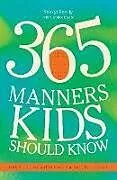
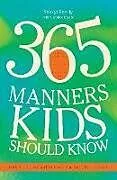
365 Manners Kids Should Know
Beschreibung
Informationen zum Autor Sheryl Eberly with Caroline Eberly Klappentext If you've ever cringed at the sight of your ten-year-old waltzing through the neighbor's front door without an invitation, or struggled to teach your teenager proper "netiquette" for naviga...Format auswählen
- TaschenbuchCHF 15.65

Wird oft zusammen gekauft
Andere Kunden kauften auch
Beschreibung
Informationen zum Autor Sheryl Eberly with Caroline Eberly Klappentext If you've ever cringed at the sight of your ten-year-old waltzing through the neighbor's front door without an invitation, or struggled to teach your teenager proper "netiquette" for navigating the complicated world of social networks, you know the importance of teaching kids that manners matter. Sheryl Eberly's bestselling 365 Manners Kids Should Know gives clever and insightful advice for the myriad situations where consideration counts, but is sometimes forgotten. This new edition incorporates tips for every aspect of digital communication into her straight-forward format. Using a smart one-manner-a-day organization, parents, grandparents, and teachers alike can find practical ways to teach essential manners like: - When and where it's appropriate to text - How to write a thank-you note - The proper way to handle an online bully - How to behave at events like birthday parties, weddings,and religious services Full of role-playing exercises, games, and other activities that adults can do with children, 365 Manners Kids Should Know explains not only what manners to teach, but also how-and at what ages-to present them. Leseprobe A Great Beginning Learning good manners will help your child act toward others with respect and take into account their feelings. Your child will also gain the confidence that comes from knowing the proper thing to do. As a parent, you're sure to discover it's a gradual process. While your children will put into practice a few good manners, you'll need to remind them often of others. Start with the basics, and enjoy the journey together! January 1 How early should you start teaching manners? Parents begin teaching manners by example as soon as a child is born. While our children might do what we say, they are more likely to do what we do. First-time parents may find it shocking to hear their child spout an off-color phrase she learned from a parent. Whether we like it or not, learning usually takes place in the home, through imitation. It's a good idea to teach your child one new chore each year. If a child learns to make a bed at age three, at age four he can begin emptying the wastebaskets, and by five start to set or clear the table. Try a similar approach with manners. Teach your child a few manners--and when he's mastered those, start on a few more. Lay a foundation and begin to build on it. Expect basic manners from a five-year-old, and more from a ten-year-old. You'll be amazed how many compliments you'll get by the time your child reaches adolescence. A three-year-old should: - Establish eye contact when speaking to another. - Say hello. - Wash hands before and after a meal. - Stay seated during the meal. - Use utensils at the table. - Say "please" and "thank you." A ten-year-old should: - Be able to hold a conversation with an adult. - Use good table manners. - Answer the telephone properly and take careful messages. - Show self-control in public places. - Take responsibility for keeping the bedroom neat. - Stand when an adult enters the room. - Know how to be on time. A fifteen-year-old should: - Initiate conversation and show interest with adults. - Pick up after herself and her friends at home. - Maintain a noise level that is acceptable to the family. - Be protective and kind toward younger siblings. - Express appreciation to parents and others. January 2 There's no place like home Some families are on their best behavior when they go out but like to kick back at home. They also let this philosophy govern their manners. Sarah Ferguson, the duchess of York, once told a reporter about her formula for good manners at the table. She and her daughters have A, B, and C manners, ...
Autorentext
Sheryl Eberly with Caroline Eberly
Klappentext
If you've ever cringed at the sight of your ten-year-old waltzing through the neighbor's front door without an invitation, or struggled to teach your teenager proper "netiquette" for navigating the complicated world of social networks, you know the importance of teaching kids that manners matter.
Sheryl Eberly's bestselling 365 Manners Kids Should Know gives clever and insightful advice for the myriad situations where consideration counts, but is sometimes forgotten. This new edition incorporates tips for every aspect of digital communication into her straight-forward format.
Using a smart one-manner-a-day organization, parents, grandparents, and teachers alike can find practical ways to teach essential manners like:
- When and where it's appropriate to text
- How to write a thank-you note
- The proper way to handle an online bully
- How to behave at events like birthday parties, weddings,and religious services
Full of role-playing exercises, games, and other activities that adults can do with children, 365 Manners Kids Should Know explains not only what manners to teach, but also how-and at what ages-to present them.
Leseprobe
A Great Beginning
Learning good manners will help your child act toward others with respect and take into account their feelings. Your child will also gain the confidence that comes from knowing the proper thing to do. As a parent, you're sure to discover it's a gradual process. While your children will put into practice a few good manners, you'll need to remind them often of others. Start with the basics, and enjoy the journey together!
January 1
How early should you start teaching manners?
Parents begin teaching manners by example as soon as a child is born. While our children might do what we say, they are more likely to do what we do. First-time parents may find it shocking to hear their child spout an off-color phrase she learned from a parent. Whether we like it or not, learning usually takes place in the home, through imitation.
It's a good idea to teach your child one new chore each year. If a child learns to make a bed at age three, at age four he can begin emptying the wastebaskets, and by five start to set or clear the table. Try a similar approach with manners. Teach your child a few manners--and when he's mastered those, start on a few more. Lay a foundation and begin to build on it. Expect basic manners from a five-year-old, and more from a ten-year-old. You'll be amazed how many compliments you'll get by the time your child reaches adolescence.
A three-year-old should:
- Establish eye contact when speaking to another.
- Say hello.
- Wash hands before and after a meal.
- Stay seated during the meal.
- Use utensils at the table.
- Say "please" and "thank you."
A ten-year-old should:
- Be able to hold a conversation with an adult.
- Use good table manners.
- Answer the telephone properly and take careful messages.
- Show self-control in public places.
- Take responsibility for keeping the bedroom neat.
- Stand when an adult enters the room.
- Know how to be on time.
A fifteen-year-old should:
- Initiate conversation and show interest with adults.
- Pick up after herself and her friends at home.
- Maintain a noise level that is acceptable to the family.
- Be protective and kind toward younger siblings.
- Express appreciation to parents and others.
January 2
There's no place like home
Some families are on their best behavior when they go out but like to kick back at home. They also let this philosophy govern their manners. Sarah Ferguson, the duchess of York, once told a reporter about her formula for good manners at the table. She and her daughters have A, B, and C manners, she explained. When they're dining with the queen at Buckingham Palace, they use their very best A manners. When they're at a restaurant, they're more relaxed, so they use their B manners. And at home? They're even less proper; C manners are fine.
Contrast Fergie's philosophy with pre-Civil War Eliza Farrar's. "Would it not be more …