Beschreibung
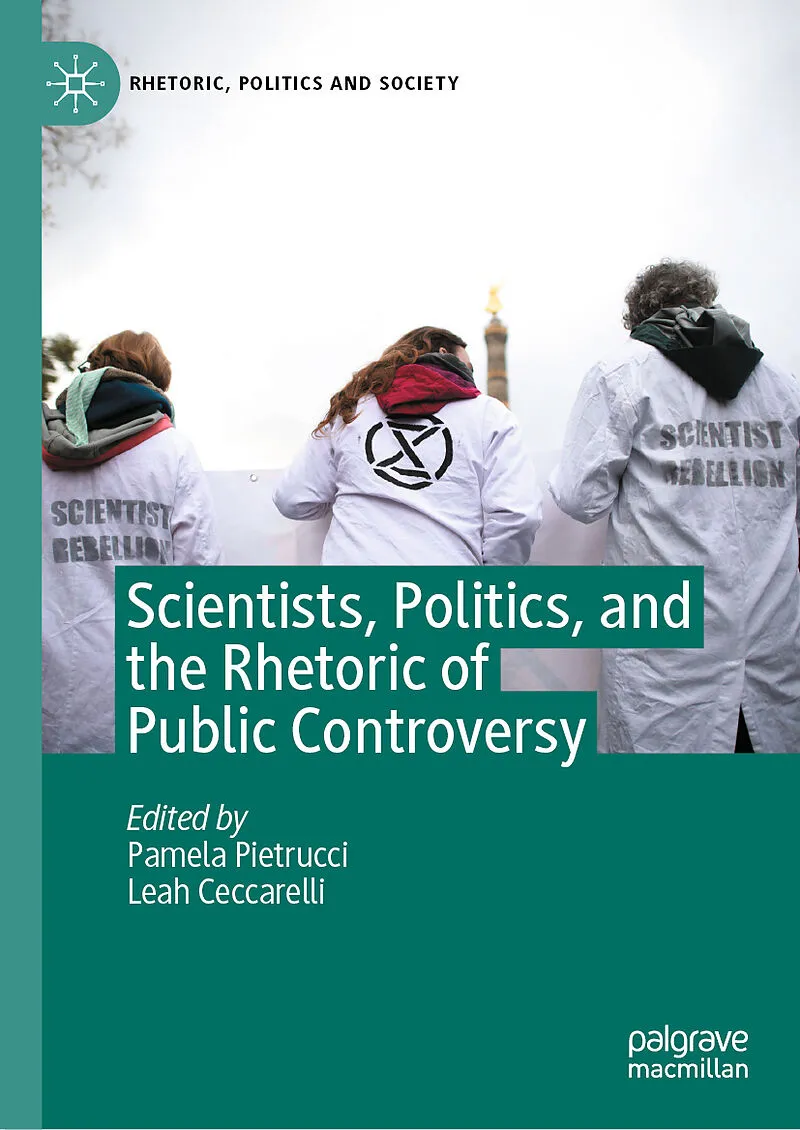
This book examines how scientists around the world embrace their responsibility as citizens, and how science is being used and abused by non-scientists in public spaces. As right-wing politicians, conspiracy theorists, and modern robber barons assault science...This book examines how scientists around the world embrace their responsibility as citizens, and how science is being used and abused by non-scientists in public spaces. As right-wing politicians, conspiracy theorists, and modern robber barons assault science in the current moment, it is time for the rhetoric of science to reconceptualize itself as a crisis/care discipline. The essays in this volume help us do that by scrutinizing particular cases of science activism, examining the public modalities of resistance that scientists are increasingly taking up as they modify their public engagement to fit evolving rhetorical situations. These essays also reveal how the authority of science is being distorted and exploited by non-experts in ways that are more dangerous than ever in the shadow of climate change and global pandemics. The book ends with a look at new possibilities for collaboration between local communities and scientists and a reflection on how a rhetorical conception of ethos can help us comprehend the negotiation of asymmetries between experts and laypeople in the current era.
Examines how scientists can engage the crises of our times by acting as thoughtful rhetors inthe public sphere Collects cutting-edge research on public rhetorics of science from different national, political, and cultural contexts Illustrates the value of rhetorical inquiry to scientists as well as scholars in the transdisciplinary space of STS
Autorentext
Pamela Pietrucci is Associate Professor of Rhetoric at the University of Copenhagen, Denmark.
Leah Ceccarelli is Professor of Communication at the University of Washington, in Seattle, USA.
Klappentext
" Scientists, Politics, and the Rhetoric of Public Controversy is an impressive volume highlighting dynamic interconnections between science, politics, and public life. In addition to critique, the chapters also empower scientists and rhetoricians to debunk misinformation; advocate for science in the face of health, environmental, and democratic crises; and engage in public debate. This is a must read for environmental communication scholars."
-- Danielle Endres , Professor of Communication and Director of Environmental Humanities Program, University of Utah
"Ceccarelli and Pietrucci have assembled timely and useful essays examining the persuasive options for Scientist Citizens, experts whoindividually or collectively, in actions or wordsalert the public on the impacts of their research and often face determined backlash. For rhetoricians and scientists, the chapters offer positive and negative models of how to respond to current public crises inflected by science."
-- Jeanne Fahnestock , Author of Rhetorical Figures in Science
This book examines how scientists around the world embrace their responsibility as citizens, and how science is being used and abused by non-scientists in public spaces. As right-wing politicians, conspiracy theorists, and modern robber barons assault science in the current moment, it is time for the rhetoric of science to reconceptualize itself as a crisis/care discipline. The essays in this volume help us do that by scrutinizing particular cases of science activism, examining the public modalities of resistance that scientists are increasingly taking up as they modify their public engagement to fit evolving rhetorical situations. These essays also reveal how the authority of science is being distorted and exploited by non-experts in ways that are more dangerous than ever in the shadow of climate change and global pandemics. The book ends with a look at new possibilities for collaboration between local communities and scientists and a reflection on how a rhetorical conception of ethos can help us comprehend the negotiation of asymmetries between experts and laypeople in the current era.
Pamela Pietrucci is Associate Professor of Rhetoric at the University of Copenhagen, Denmark.
Leah Ceccarelli is Professor of Communication at the University of Washington, in Seattle, USA.
Inhalt
Section I: Scientist Citizens.- Chapter 1: We Feel That It Is No Longer Possible to Remain Uninvolved: A Rhetorical History of the Union of Concerned Scientists.- Chapter 2: What Do We Want? Evidence-Based Claims! When Do We Want It? After Peer Review!: Advocacy and Activism in the March for Science.- Chapter 3: Publish and/or Perish: Scientific Journal Commentary for Social Action in the Climate and Ecological Emergency.- Chapter 4: Activism in Science: Saying No to the Objectionable Appropriation of Research.- Chapter 5: Reflections on a Scientist's Public Engagement: A Dialogue with Roberto Burioni.- Section II: Public Engagement with Science.- Chapter 6: Prodused ethos: Trust, ethos, and expertise in Facebook fan sites for health experts.- Chapter 7: Vituperation and Expert Ethos in Public Science: Censure of Public Health Officials in the COVID-19 Era.- Chapter 8: The Bro as Disingenuous Scientist Citizen.- Chapter 9: Vigilante Pseudoscience in a Science Denialist Data Dashboard.- Chapter 10: The Cook Inlet Beluga Whale: Global Whaling, Oppositional Activism, and Community Science.- Chapter 11: Balancing Acts: Asymmetries of Character and Community.