
IHR WARENKORB IST AKTUELL LEER.
Haben Sie noch nichts passendes gefunden? Stöbern Sie durch unser komplettes Sortiment.
Oder melden Sie sich an bzw. registrieren Sie sich.
- Kostenlose Lieferung
- Kauf auf Rechnung
- Ex Libris Tiefpreis
- Filiallieferung und 650+ Abholorte
- Rabatt-Bons als Club-Mitglied
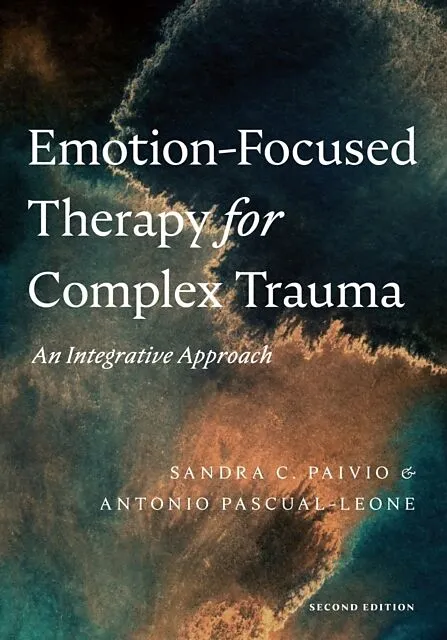
Emotion-Focused Therapy for Complex Trauma
Beschreibung
Informationen zum Autor Sandra C. Paivio, PhD, CPsych, maintains a private practice in Toronto, Canada, provides individual psychotherapy and clinical training at the York University Psychology Clinic, and is professor emeritus in the Psychology Department at ...Format auswählen
- Kartonierter EinbandCHF 81.60

Wird oft zusammen gekauft
Andere Kunden kauften auch
Beschreibung
Informationen zum Autor Sandra C. Paivio, PhD, CPsych, maintains a private practice in Toronto, Canada, provides individual psychotherapy and clinical training at the York University Psychology Clinic, and is professor emeritus in the Psychology Department at the University of Windsor. She is one of the developers of emotion-focused therapy, particularly applied to complex trauma (EFTT), has conducted clinical trials evaluating the efficacy and processes of change in EFTT, and is author of numerous publications on trauma and psychotherapy. Dr. Paivio received a Lifetime Achievement Award from the Trauma Section of the Canadian Psychological Association (2014) for her contributions to research and training in treatment for complex trauma. Antonio Pascual-Leone, PhD, CPsych, is a professor in psychology at the University of Windsor, Canada, where he is director of the Emotion Change Lab, and is honorary professor of psychiatry at the University of Lausanne, Switzerland. He has published seminal contributions to theory and research of emotion-focused therapy and is regarded as a world expert in emotional processing. He coauthored the first edition of this book with Sandra Paivio and is writing a trans-theoretical book on changing emotion. His work is recognized by career awards from international societies as well as distinguished publication awards. He runs a private practice seeing individuals and couples. Klappentext This fully updated second edition of Emotion-focused Therapy for Complex Trauma: An Integrative Approach presents theory, research, and practice guidelines for short-term, evidence-based individual treatment for adults. Zusammenfassung Now in a fully updated second edition, this book presents theory, research, and practice guidelines for short-term, evidence-based individual treatment for adults experiencing the effects of complex relational trauma. Inhaltsverzeichnis Acknowledgments Introduction to Emotion-Focused Therapy for Trauma: Development, Defining Features, Strengths, and ContributionsI. Theory Chapter 1. Trauma and its Effects Definition of Trauma Types of Traumatic Events Prevalence and Risk Factors Effects of Trauma Implications for Treatment Chapter 2. The EFTT Treatment Model Theoretical Foundations Distinguishing Features of EFTT Distinctions Between EFTT and the General Model of Emotion-Focused Therapy The Treatment Model Chapter 3. Working with Emotion Review of Emotion Theory Underlying EFTT Change Processes: Emotional Processing in EFTT Model of Change and Phases Of EFTTII. Practice Early Phase of Therapy Chapter 4. Cultivating the Alliance Intervention Principles for Developing a Productive Alliance Goals of Alliance Formation in Phase 1 Of EFTT Conducting the First Three Sessions Alliance Difficulties Chapter 5. Promoting Experiencing Features of Experiencing EFTT Compared With Other Perspectives on Experiencing Experiencing Compared to Other Constructs Measurement of Experiencing Research on Experiencing in Therapy The Process of Deepening Experiencing Step by Step Guidelines for Structured Focusing Procedure Difficulties With Experiencing Chapter 6. The Imaginal Confrontation Procedure Imaginal Confrontation of Perpetrators Intervention Principles The Process of Engagement in IC Steps in the IC Procedure and Corresponding Therapist Operations Relationship Development in the Initial IC Evocative Exploration as an Alternative to IC Client Difficulties With the Initial ICMiddle Phase of Therapy Chapter 7. Memory Work in EFTT Theory Different Approaches to Memory Work Goals and Processes of Memory Work In EFTT Practice Guidelines for EFTT Memory Work Memory Work When Memories Are Shallow Memories Are Warded Off Memories of Self as Defective or Damaged Summary, Considerations, and Cautions Chapter 8. Reducing Fear, Anxiety, and Avoidance of Internal Experience Perspectives on Fear, Anxiety, and Avoidance: EFTT Compared With Other Approaches Process D...
Autorentext
Sandra C. Paivio, PhD, CPsych, maintains a private practice in Toronto, Canada, provides individual psychotherapy and clinical training at the York University Psychology Clinic, and is professor emeritus in the Psychology Department at the University of Windsor. She is one of the developers of emotion-focused therapy, particularly applied to complex trauma (EFTT), has conducted clinical trials evaluating the efficacy and processes of change in EFTT, and is author of numerous publications on trauma and psychotherapy. Dr. Paivio received a Lifetime Achievement Award from the Trauma Section of the Canadian Psychological Association (2014) for her contributions to research and training in treatment for complex trauma.
Antonio Pascual-Leone, PhD, CPsych, is a professor in psychology at the University of Windsor, Canada, where he is director of the Emotion Change Lab, and is honorary professor of psychiatry at the University of Lausanne, Switzerland. He has published seminal contributions to theory and research of emotion-focused therapy and is regarded as a world expert in emotional processing. He coauthored the first edition of this book with Sandra Paivio and is writing a trans-theoretical book on changing emotion. His work is recognized by career awards from international societies as well as distinguished publication awards. He runs a private practice seeing individuals and couples.
Klappentext
This fully updated second edition of Emotion-focused Therapy for Complex Trauma: An Integrative Approach presents theory, research, and practice guidelines for short-term, evidence-based individual treatment for adults.
Zusammenfassung
Offering evidence-based strategies for short-term, emotion-focused therapy in complex relational trauma, this update guides clinicians in restoring disrupted narratives and emotions. With insights from over 25 years of expertise, it equips therapists to effectively address long-term effects of abuse and betrayal.
Inhalt
Acknowledgments
Introduction to Emotion-Focused Therapy for Trauma: Development, Defining Features, Strengths, and Contributions
I. Theory
Chapter 1. Trauma and its Effects
Definition of Trauma
Types of Traumatic Events
Prevalence and Risk Factors
Effects of Trauma
Implications for Treatment
Chapter 2. The EFTT Treatment Model
Theoretical Foundations
Distinguishing Features of EFTT
Distinctions Between EFTT and the General Model of Emotion-Focused Therapy
The Treatment Model
Chapter 3. Working with Emotion
Review of Emotion Theory Underlying EFTT
Change Processes: Emotional Processing in EFTT
Model of Change and Phases Of EFTT
II. Practice
Early Phase of Therapy
Chapter 4. Cultivating the Alliance
Intervention Principles for Developing a Productive Alliance
Goals of Alliance Formation in Phase 1 Of EFTT
Conducting the First Three Sessions
Alliance Difficulties
Chapter 5. Promoting Experiencing
Features of Experiencing
EFTT Compared With Other Perspectives on Experiencing
Experiencing Compared to Other Constructs
Measurement of Experiencing
Research on Experiencing in Therapy
The Process of Deepening Experiencing Step by Step
Guidelines for Structured Focusing Procedure
Difficulties With Experiencing
Chapter 6. The Imaginal Confrontation Procedure
Imaginal Confrontation of Perpetrators
Intervention Principles
The Process of Engagement in IC
Steps in the IC Procedure and Corresponding Therapist Operations
Relationship Development in the Initial IC
Evocative Exploration as an Alternative to IC
Client Difficulties With the Initial IC
Middle Phase of Therapy
Chapter 7. Memory Work in EFTT
Theory
Different Approaches to Memory Work
Goals and Processes of Memory Work In EFTT
Practice Guidelines for EFTT Memory Work
Memory Work When Memories Are Shallow
Memories Are Warded Off
Memories of Self as De…