
IHR WARENKORB IST AKTUELL LEER.
Haben Sie noch nichts passendes gefunden? Stöbern Sie durch unser komplettes Sortiment.
Oder melden Sie sich an bzw. registrieren Sie sich.
- Kostenlose Lieferung
- Kauf auf Rechnung
- Ex Libris Tiefpreis
- Filiallieferung und 650+ Abholorte
- Rabatt-Bons als Club-Mitglied
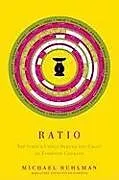
Ratio: Volume 1
Beschreibung
Zusatztext "Cooking! like so many creative endeavors! is defined by relationships. For instance! knowing exactly how much flour to put into a loaf of bread isn't nearly as useful as understanding the relationship between the flour and the water! or fat! or sal...Format auswählen
- Fester EinbandCHF 33.20

Wird oft zusammen gekauft
Andere Kunden kauften auch
Beschreibung
Zusatztext "Cooking! like so many creative endeavors! is defined by relationships. For instance! knowing exactly how much flour to put into a loaf of bread isn't nearly as useful as understanding the relationship between the flour and the water! or fat! or salt . That relationship is defined by a 'ratio!' and having a ratio in hand is like having a secret decoder ring that frees you from the tyranny of recipes. Professional cooks and bakers guard ratios passionately so it wouldn't surprise me a bit if Michael Ruhlman is forced into hiding like a modern-day Prometheus! who in handing us mortals a power better suited to the gods! has changed the balance of kitchen power forever. I for one am grateful. I suspect you will be too." -- Alton Brown! author of I'm Just Here for the Food Informationen zum Autor Michael Ruhlman is the author of award-winning cookbooks and nonfiction narratives. He is the author of chef Thomas Keller's seminal The French Laundry Cookbook as well as the highly successful series about the training of chefs: The Making of a Chef , The Soul of a Chef , and The Reach of a Chef . He is also the author of The Elements of Cooking and Ratio . Ruhlman has worked at The New York Times and as a food columnist for the Los Angeles Times . He has attended the Culinary Institute of America and is the author of eighteen booksabout food and cooking, and also such wide ranging subjects as a pediatric heart surgeon and building wooden boats. Michael lives with his wife in New York City and Providence, Rhode Island. Klappentext Michael Ruhlman's groundbreaking New York Times bestseller takes us to the very truth of cooking: it is not about recipes but rather about basic ratios and fundamental techniques that makes all food come together, simply.When you know a culinary ratio, it's not like knowing a single recipe, it's instantly knowing a thousand. Why spend time sorting through the millions of cookie recipes available in books, magazines, and on the Internet? Isn't it easier just to remember 1-2-3? That's the ratio of ingredients that always make a basic, delicious cookie dough: 1 part sugar, 2 parts fat, and 3 parts flour. From there, add anything you wantchocolate, lemon and orange zest, nuts, poppy seeds, cinnamon, cloves, nutmeg, almond extract, or peanut butter, to name a few favorite additions. Replace white sugar with brown for a darker, chewier cookie. Add baking powder and/or eggs for a lighter, airier texture. Ratios are the starting point from which a thousand variations begin. Ratios are the simple proportions of one ingredient to another. Biscuit dough is 3:1:2or 3 parts flour, 1 part fat, and 2 parts liquid. This ratio is the beginning of many variations, and because the biscuit takes sweet and savory flavors with equal grace, you can top it with whipped cream and strawberries or sausage gravy. Vinaigrette is 3:1, or 3 parts oil to 1 part vinegar, and is one of the most useful sauces imaginable, giving everything from grilled meats and fish to steamed vegetables or lettuces intense flavor. Cooking with ratios will unchain you from recipes and set you free. With thirty-three ratios and suggestions for enticing variations, Ratio is the truth of cooking: basic preparations that teach us how the fundamental ingredients of the kitchenwater, flour, butter and oils, milk and cream, and eggswork. Change the ratio and bread dough becomes pasta dough, cakes become muffins become popovers become crepes. As the culinary world fills up with overly complicated recipes and never-ending ingredient lists, Michael Ruhlman blasts through the surplus of information and delivers this innovative, straightforward book that cuts to the core of cooking. Ratio provides one of the greatest kitchen lessons there isand it makes the cooking easier and more satisfying than ever. Zusammenfassung ...
"Cooking, like so many creative endeavors, is defined by relationships. For instance, knowing exactly how much flour to put into a loaf of bread isn't nearly as useful as understanding the relationship between the flour and the water, or fat, or salt . That relationship is defined by a 'ratio,' and having a ratio in hand is like having a secret decoder ring that frees you from the tyranny of recipes.
Professional cooks and bakers guard ratios passionately so it wouldn't surprise me a bit if Michael Ruhlman is forced into hiding like a modern-day Prometheus, who in handing us mortals a power better suited to the gods, has changed the balance of kitchen power forever.
I for one am grateful. I suspect you will be too." -- Alton Brown, author of I'm Just Here for the Food
Autorentext
Michael Ruhlman is the author of award-winning cookbooks and nonfiction narratives. He is the author of chef Thomas Keller’s seminal *The French Laundry Cookbook *as well as the highly successful series about the training of chefs: The Making of a Chef, The Soul of a Chef, and The Reach of a Chef. He is also the author of The Elements of Cooking and Ratio. Ruhlman has worked at The New York Times and as a food columnist for the Los Angeles Times. He has attended the Culinary Institute of America and is the author of eighteen books—about food and cooking, and also such wide ranging subjects as a pediatric heart surgeon and building wooden boats. Michael lives with his wife in New York City and Providence, Rhode Island.
Klappentext
Michael Ruhlman’s groundbreaking New York Times bestseller gets at the very “truth” of cooking: it is not about recipes but rather about basic ratios and fundamental techniques.
Ratios are the simple proportions of one ingredient to another. Knowing a culinary ratio is not like knowing a single recipe; it’s instantly knowing a thousand.
Why spend time sorting through millions of cookie recipes online or in cookbooks? Isn’t it easier to remember 1:2:3? That’s the ratio of ingredients that consistently make a basic, delicious cookie dough: 1 part sugar, 2 parts fat, and 3 parts flour. From there, add anything you want—chocolate, orange zest, walnuts, cinnamon, almond extract, or peanut butter, to name a few favorite variations. Replace white sugar with brown for a darker, chewier cookie. Add baking powder and/or eggs for a lighter, airier texture.
Biscuit dough is 3:1:2—or 3 parts flour, 1 part fat, and 2 parts liquid. Vinaigrette is 3:1, or 3 parts oil to 1 part vinegar, and is one of the most useful sauces imaginable, giving everything from grilled meats and fish to steamed vegetables or lettuces fabulous flavor. Change its ratio and bread dough becomes pasta dough; cakes become muffins become popovers become crepes. Once you know the ratio, you no longer need a recipe.
Ratio also helpfully teaches readers how the fundamental ingredients of the kitchen—water, flour, butter and oils, milk and cream, and eggs—work together. In a world full of overly complicated recipes, award-winning author Michael Ruhlman delivers an innovative, straightforward book that makes the cooking easier and more satisfying than ever.
Zusammenfassung
Michael Ruhlman’s groundbreaking New York Times bestseller takes us to the very “truth” of cooking: it is not about recipes but rather about basic ratios and fundamental techniques that makes all food come together, simply.
When you know a culinary ratio, it’s not like knowing a single recipe, it’s instantly knowing a thousand.
Why spend time sorting through the millions of cookie recipes available in books, magazines, and on the Internet? Isn’t it easier just to remember 1-2-3? That’s the ratio of ingredients that always make a basic, delicious cookie dough: 1 part sugar, 2 parts fat, and 3 parts flour. From there, add anything you want—chocolate, lemon and orange zest, nuts,…