Beschreibung
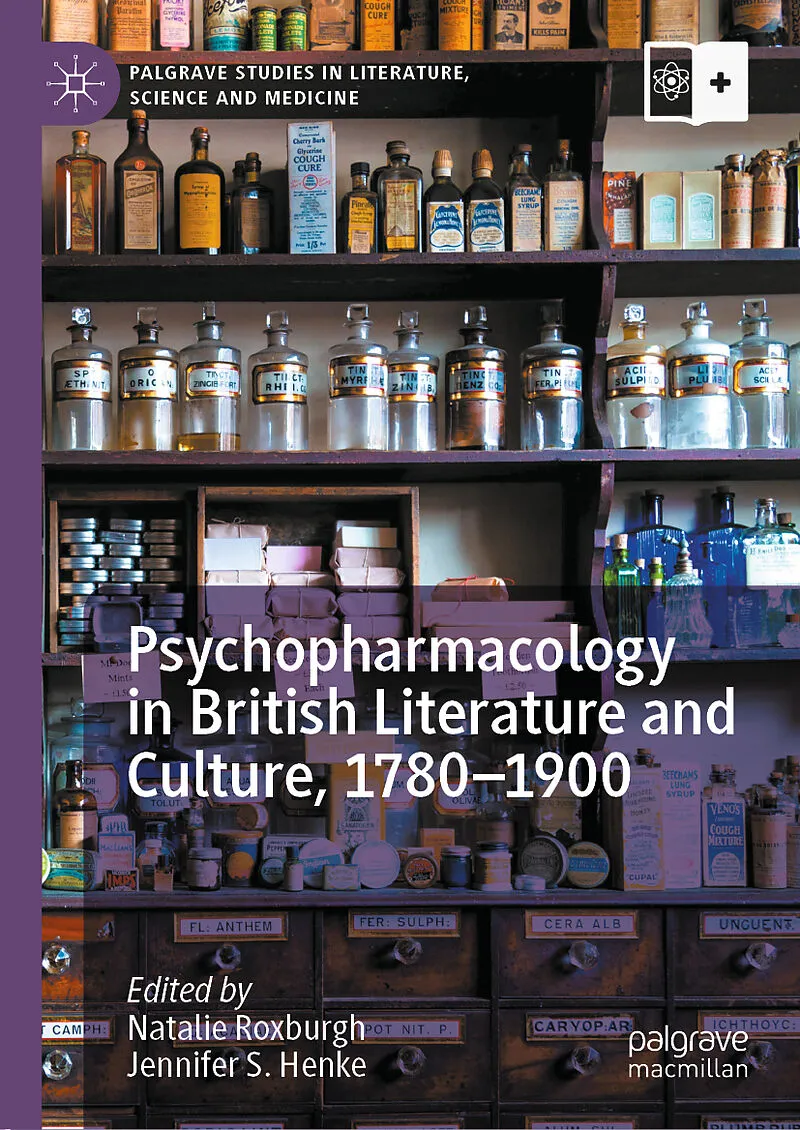
This collection of essays examines the way psychoactive substances are described and discussed within late eighteenth- and nineteenth-century British literary and cultural texts. Covering several genres, such as novels, poetry, autobiography and non-fiction, ...This collection of essays examines the way psychoactive substances are described and discussed within late eighteenth- and nineteenth-century British literary and cultural texts. Covering several genres, such as novels, poetry, autobiography and non-fiction, individual essays provide insights on eighteenth- and nineteenth-century understandings of drug effects of opium, alcohol and many other plant-based substances. Contributors consider both contemporary and recent medical knowledge in order to contextualise and illuminate understandings of how drugs were utilised as stimulants, as relaxants, for pleasure, as pain relievers and for other purposes. Chapters also examine the novelty of experimentations of drugs in conversation with the way literary texts incorporate them, highlighting the importance of literary and cultural texts for addressing ethical questions.
Addresses scholars within the fields of Romantic and Victorian Studies, literature and science and the medical humanities, plant studies, addiction studies, and interdisciplinary approaches to medicine Examines drugs by going beyond discourses on literature and addiction Focuses on the history of the science of psychoactive drugs alongside their cultural, social, and political contexts
Autorentext
N**atalie Roxburgh is Lecturer and Research Fellow in English Literary Studies at the University of Siegen, Germany. She has published widely on a variety of topics-such as science, economics and politics-from the seventeenth century to the present, including a monograph titled Representing Public *Credit: CredibleC*ommitment, Fiction, and the Rise of the Financial Subject (2016).
Jennifer S. Henke is Assistant Professor at the University of Bremen, Germany. Her publications include topics ranging from Shakespeare in film to science and posthumanism. She is the author of the monograph Unsex Me Here (2014), and her second book deals with medicine and the pregnant female body in eighteenth-century literature and culture.
Inhalt