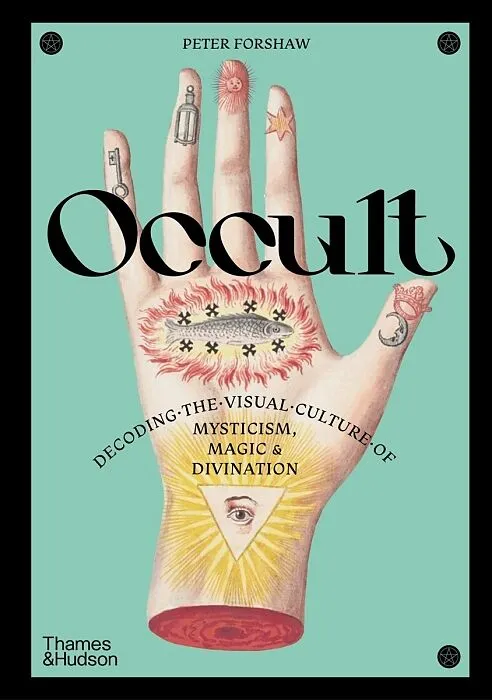
Occult
Beschreibung
A clear, concise, and detailed historical analysis of the eclectic and arcane visual and material culture of the occult. Focusing on a carefully curated selection of esoteric art and artefacts, Occult explores the meaning and mystic power of original occult ma...Format auswählen
- Fester EinbandCHF 38.00
Wird oft zusammen gekauft
Andere Kunden kauften auch
Beschreibung
A clear, concise, and detailed historical analysis of the eclectic and arcane visual and material culture of the occult. Focusing on a carefully curated selection of esoteric art and artefacts, Occult explores the meaning and mystic power of original occult manuscripts, ritual objects and symbols from around the world. The author identifies five key elements of occultism - alchemy, astrology, magic, mysticism and divination. Key symbols are highlighted and examined, and key rituals and practices are explained to provide new insights into the philosophies and beliefs of occultists from antiquity to today. The book begins with an introduction that clarifies what we mean by ''occult''. It traces the pre-Christian origins of esotericism in Mesopotamian astrology and Egyptian, Greek and Arab alchemy and its development through the Middle Ages as occult sciences, encompassing Kabbalah and natural, astral and ritual magic. Occult is then organized into three broad sections - foundations of the occult, occult philosophy, as three major forms of magic, and the modern occult revival - that guide readers from its origins in antiquity through to the rebirth of the occult in the 19th century with spiritualism, theosophy and the Hermetic Order of the Golden Dawn and the 20th-century''s anthroposophy, ''New Age'' and occulture movements. For each of the nine themed chapters, illustrated narrative text is interspersed with double-page presentations of the key practices, figures, and symbols relevant to that theme. Artworks and artefacts are examined in detail: the practices depicted are identified and explained, and the hidden symbolism decrypted. As the book progresses, readers will not only come to understand the mysterious practices and secret ciphers of the occult, but will also discover the beliefs, rituals and philosophies of occultists around the world from their origins in the early esoteric traditions of the ancient Egyptians to their reinterpretation in modern occultism....
Autorentext
Peter Forshaw is a researcher interested in the history of alchemy, magic, Kabbalah, astrology, ritual activity and esotericism. He has a doctorate in Intellectual History and is Associate Professor of Western Esotericism in the Early Modern Period at the Centre for History of Hermetic Philosophy, University of Amsterdam. In addition to editing several volumes on occult and esoteric subjects, he is the author of The Mage's Images: Heinrich Khunrath in his Oratory and Laboratory and served as editor-in-chief of Aries: Journal for the Study of Western Esotericism for 10 years. He has contributed to TV and Radio programmes including BBC Radio 4's In Our Time series and Channel 5's The Philosophers' Stone - The True Story. His Instagram page of esoteric art attracts more than 58,000 followers.
Klappentext
Searching for the philosophers' stone in the pursuit of transmutation and immortality; harnessing the properties of the natural world to cast magic spells; seeking visionary experiences to connect with the spiritual world; conjuring demons to enact our desires; using the tarot and astrology to divine the future--the quest to understand the mysteries of the universe and to tap into its powers has fueled manifold occult philosophies from the early esoteric traditions of the ancient Egyptians to the practices of modern occultists.
For hundreds of years, occult--or hidden--knowledge has been recorded in esoteric manuscripts, enshrined in illustrated grimoires, inscribed in stelae, incorporated in cryptic paintings, and embodied in arcane ritual objects. Delve within these pages and pore over myriad intricate images, ornate manuscripts, and intriguing ritual objects, and discover the meaning concealed within the secret ciphers, mysterious symbols, and covert rituals of the occult.
Inhalt
Introduction: As Above, So Below
Foundations
- Astrology
- Alchemy
- Kabbalah
Occult Philosophy - Natural Magic
- Astral Magic
- Ritual Magic
Occult Revival - Occultism
- Tarot
- New Age & Occulture