
IHR WARENKORB IST AKTUELL LEER.
Haben Sie noch nichts passendes gefunden? Stöbern Sie durch unser komplettes Sortiment.
Oder melden Sie sich an bzw. registrieren Sie sich.
- Kostenlose Lieferung
- Kauf auf Rechnung
- Ex Libris Tiefpreis
- Filiallieferung und 650+ Abholorte
- Rabatt-Bons als Club-Mitglied
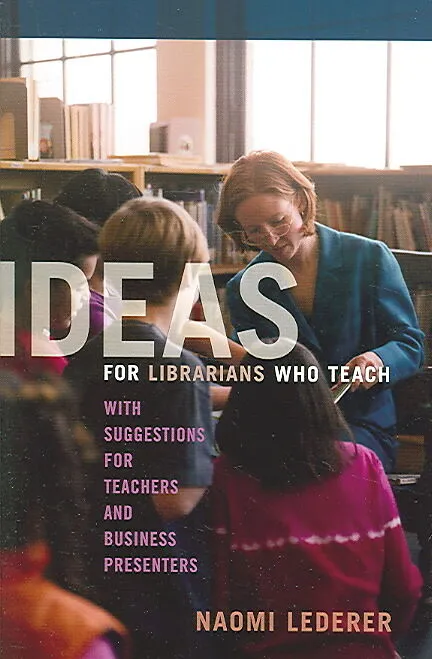
Ideas for Librarians Who Teach
Beschreibung
Informationen zum Autor Naomi Lederer is an Associate Professor and Reference Librarian at the Morgan Library at Colorado State University in Fort Collins, Colorado. Klappentext This book contains nearly one thousand individual ideas and bits of advice for tea...Format auswählen
- Kartonierter EinbandCHF 108.40

Wird oft zusammen gekauft
Andere Kunden kauften auch
Beschreibung
Informationen zum Autor Naomi Lederer is an Associate Professor and Reference Librarian at the Morgan Library at Colorado State University in Fort Collins, Colorado. Klappentext This book contains nearly one thousand individual ideas and bits of advice for teaching. Topics range from preparing for a session to looking over the classroom, and from dealing with questions to using visuals, Web pages, and handouts. There are suggestions for teaching audiences with different learning styles as well as teaching foreign students (and vice versa). Group learning ideas and practical suggestions for what to put on feedback forms are also included. Promoting library instruction, teaching via distance education, dealing with disruptive students, and coping with burnout are addressed with applicable recommendations. There is an extensive bibliography and recommended resources throughout for additional or more detailed descriptions of some of the ideas. Example syllabi and a workshop outline are provided as appendixes. Inhaltsverzeichnis Part 1 Introduction Part 2 1. Knowing the Material Part 3 2. Librarian as Key Tool Part 4 3. Customizing Sessions Chapter 5 Assignments Chapter 6 Lecture/Hands-On/Other Chapter 7 Useful Resources Chapter 8 Learner's Search Process Chapter 9 Team Teaching Chapter 10 Another Way to Provide Instruction Chapter 11 Instructional Design Part 12 4. In the Classroom...Teaching Chapter 13 Icebreakers Chapter 14 Discussion Chapter 15 Critical Thinking Chapter 16 Tours Part 17 5. Diverse Students and Foreign Teachers Chapter 18 Generally Speaking Chapter 19 American Students, Foreign Teacher Chapter 20 About Americans (for Foreigners) Chapter 21 Fitting In while in the United States Part 22 6. The Classroom Chapter 23 School Library/Media Center Chapter 24 New Classroom/Lab Part 25 7. Questions Part 26 8. Visuals Chapter 27 Black or White Board Chapter 28 Overhead Transparencies Chapter 29 Presentation Software Chapter 30 Flip Charts Chapter 31 Videos Part 32 9. Using Web Pages Part 33 10. Handouts Chapter 34 Hands-On Assignments Part 35 11. Humor Part 36 12. Learning Styles, Different Learners Chapter 37 Myers-Briggs Chapter 38 North, South, East, and West Chapter 39 Students with Disabilities Chapter 40 Learning Differences Chapter 41 Non-Traditional Students Chapter 42 High-Risk/Gifted Students Chapter 43 K-12/Adult Differences Part 44 13. Group Learning Chapter 45 Forming Groups Chapter 46 Pre-Activity Chapter 47 Example Methods Chapter 48 Virtual Groups Chapter 49 Library Setting Part 50 14. Evaluation Feedback Improving Part 51 15. Promoting Library Instruction Chapter 52 University/College Chapter 53 K-12 Chapter 54 Marketing/Promoting Chapter 55 Promote Value Part 56 16. Distance Education Chapter 57 On Television: In General Chapter 58 As Course Instructor on Television Chapter 59 Computer Instruction Part 60 17. Miscellaneous Chapter 61 Disruptive Students Chapter 62 Complaints/Problems Chapter 63 Burnout Chapter 64 Teaching a Credit Course Part 65 Appendix A: Example Syllabus 1 Part 66 Appendix B: Example Syllabus 2 Part 67 Appendix C: Example Workshop Outline Part 68 Bibliography Part 69 Index Part 70 About the Author ...
Autorentext
Naomi Lederer is an Associate Professor and Reference Librarian at the Morgan Library at Colorado State University in Fort Collins, Colorado.
Klappentext
This book contains nearly one thousand individual ideas and bits of advice for teaching. Topics range from preparing for a session to looking over the classroom, and from dealing with questions to using visuals, Web pages, and handouts. There are suggestions for teaching audiences with different learning styles as well as teaching foreign students (and vice versa). Group learning ideas and practical suggestions for what to put on feedback forms are also included. Promoting library instruction, teaching via distance education, dealing with disruptive students, and coping with burnout are addressed with applicable recommendations. There is an extensive bibliography and recommended resources throughout for additional or more detailed descriptions of some of the ideas. Example syllabi and a workshop outline are provided as appendixes.
Inhalt
Part 1 Introduction
Part 2 1. Knowing the Material
Part 3 2. Librarian as Key Tool
Part 4 3. Customizing Sessions
Chapter 5 Assignments
Chapter 6 Lecture/Hands-On/Other
Chapter 7 Useful Resources
Chapter 8 Learner's Search Process
Chapter 9 Team Teaching
Chapter 10 Another Way to Provide Instruction
Chapter 11 Instructional Design
Part 12 4. In the Classroom...Teaching
Chapter 13 Icebreakers
Chapter 14 Discussion
Chapter 15 Critical Thinking
Chapter 16 Tours
Part 17 5. Diverse Students and Foreign Teachers
Chapter 18 Generally Speaking
Chapter 19 American Students, Foreign Teacher
Chapter 20 About Americans (for Foreigners)
Chapter 21 Fitting In while in the United States
Part 22 6. The Classroom
Chapter 23 School Library/Media Center
Chapter 24 New Classroom/Lab
Part 25 7. Questions
Part 26 8. Visuals
Chapter 27 Black or White Board
Chapter 28 Overhead Transparencies
Chapter 29 Presentation Software
Chapter 30 Flip Charts
Chapter 31 Videos
Part 32 9. Using Web Pages
Part 33 10. Handouts
Chapter 34 Hands-On Assignments
Part 35 11. Humor
Part 36 12. Learning Styles, Different Learners
Chapter 37 Myers-Briggs
Chapter 38 North, South, East, and West
Chapter 39 Students with Disabilities
Chapter 40 Learning Differences
Chapter 41 Non-Traditional Students
Chapter 42 High-Risk/Gifted Students
Chapter 43 K-12/Adult Differences
Part 44 13. Group Learning
Chapter 45 Forming Groups
Chapter 46 Pre-Activity
Chapter 47 Example Methods
Chapter 48 Virtual Groups
Chapter 49 Library Setting
Part 50 14. Evaluation Feedback Improving
Part 51 15. Promoting Library Instruction
Chapter 52 University/College
Chapter 53 K-12
Chapter 54 Marketing/Promoting
Chapter 55 Promote Value
Part 56 16. Distance Education
Chapter 57 On Television: In General
Chapter 58 As Course Instructor on Television
Chapter 59 Computer Instruction
Part 60 17. Miscellaneous
Chapter 61 Disruptive Students
Chapter 62 Complaints/Problems
Chapter 63 Burnout
Chapter 64 Teaching a Credit Course
Part 65 Appendix A: Example Syllabus 1
Part 66 Appendix B: Example Syllabus 2
Part 67 Appendix C: Example Workshop Outline
Part 68 Bibliography
Part 69 Index
Part 70 About the Author