
IHR WARENKORB IST AKTUELL LEER.
Haben Sie noch nichts passendes gefunden? Stöbern Sie durch unser komplettes Sortiment.
Oder melden Sie sich an bzw. registrieren Sie sich.
- Kostenlose Lieferung
- Kauf auf Rechnung
- Ex Libris Tiefpreis
- Filiallieferung und 650+ Abholorte
- Rabatt-Bons als Club-Mitglied
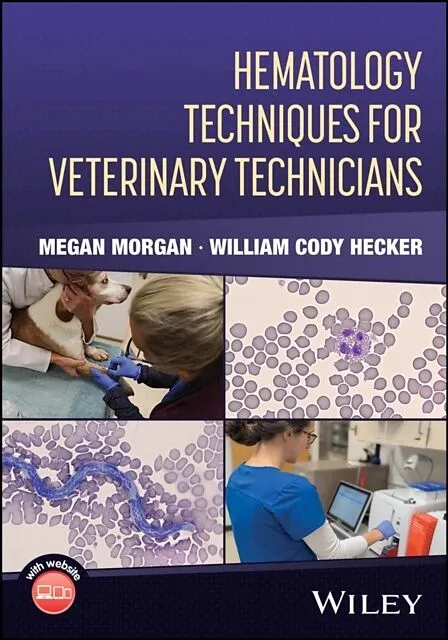
Hematology Techniques for Veterinary Technicians
Beschreibung
Informationen zum Autor MEGAN MORGAN, BAS, RVTg, Department Chair, Veterinary Medical Technology, Central Carolina Community College, Sanford, North Carolina, USA. WILLIAM CODY HECKER, AAS, RVT, Instructor, Veterinary Medical Technology, Central Carolina Commu...Format auswählen
- Kartonierter EinbandCHF 101.20

Wird oft zusammen gekauft
Andere Kunden kauften auch
Beschreibung
Informationen zum Autor MEGAN MORGAN, BAS, RVTg, Department Chair, Veterinary Medical Technology, Central Carolina Community College, Sanford, North Carolina, USA. WILLIAM CODY HECKER, AAS, RVT, Instructor, Veterinary Medical Technology, Central Carolina Community College, Sanford, North Carolina, USA. Klappentext Practical resource combining hematology information with reference images and procedures Hematology Techniques for Veterinary Technicians is the first textbook to integrate extensive hematology knowledge with essential reference images and procedures. After a thorough introduction, this book guides readers through essential procedures like packed cell volume and total solids testing, blood sample collection, and blood smear preparation, with a focus on common domestic species. Real-life case studies with corresponding hematologic images elucidate key concepts for readers. The quick-reference page provides access to the step-by-step laboratory procedures throughout the book in an easy-to-find format, and the reference image and range sections offer a practical tool for comparing and identifying findings on blood smears in the lab. Hematology Techniques for Veterinary Technicians includes information on: The pivotal role of hematology in veterinary medicine, the fascinating processes of blood cell genesis, and the meticulous setup and safety protocols of the hematology labCellular differentiation and morphology of common domestic species-feline, canine, equine, bovine, and small ruminants-enabling readers to gain proficiency in performing complete blood counts and adeptly interpreting the resultsCommon hematologic disorders including anemia, polycythemia, blood parasites, coagulopathies, and leukemiasCellular differentiation and morphology, covering erythrocytes, leukocytes, and thrombocytesPlatelet disorders (e.g., giant platelets and platelet clumps) and coagulation disorders (e.g., fibrin strands and schistocytes) Hematology Techniques for Veterinary Technicians equips both students and experienced technicians to approach hematology with confidence, improve diagnostic accuracy, and make a meaningful impact in veterinary care. Inhaltsverzeichnis Preface xii Acknowledgments xiii About the Companion Site xiv Quick Reference of Laboratory Procedures xv Section I Introduction to Hematology 1 1 Introduction to Hematology 3 1.1 What Is Hematology? 3 1.2 The History of Hematology 3 1.3 Evolution of Veterinary Hematology 5 1.4 The Role of Veterinary Technicians in Hematology 8 1.5 Components of Blood 9 1.6 Species-specific Considerations 12 1.7 Overview of Hematopoiesis 15 1.8 Common Blood Tests in Veterinary Practice 16 1.9 The Diagnostic Value of Blood 20 1.10 How Blood Reflects Disease Processes 21 1.11 Limitations of Hematology and the Importance of Correlation with Clinical Signs 23 1.12 Ethical and Legal Responsibilities in Hematology for Veterinary Technicians 25 1.13 Preparing for Success in Hematology 28 1.14 Summary 30 2 Hematopoiesis 35 2.1 Introduction to Hematopoiesis 35 2.2 Sites of Hematopoiesis 35 2.3 Hematopoietic Stem Cells 42 2.4 Erythropoiesis: RBC Production 45 2.5 Leukopoiesis: WBC Production 46 2.6 Thrombopoiesis: Platelet Production 51 2.7 Regulation of Hematopoiesis 52 2.8 Regeneration of Blood Cells After Loss or Destruction 56 2.9 Disorders and Diagnostic Overview 58 2.10 Summary 61 3 The Hematology Laboratory 65 3.1 Introduction to the Hematology Lab 65 3.2 Overview of Laboratory Setup and Safety 65 3.3 QC and QA in the Veterinary Laboratory 67 3.4 Common Laboratory Equipment 69 3.5 Summary 81 Section II Fundamentals of Hematological Testing 85 4 Blood Sample Collection and Handling 87 4.1 Introductio...
Autorentext
MEGAN MORGAN, BAS, RVTg, Department Chair, Veterinary Medical Technology, Central Carolina Community College, Sanford, North Carolina, USA. WILLIAM CODY HECKER, AAS, RVT, Instructor, Veterinary Medical Technology, Central Carolina Community College, Sanford, North Carolina, USA.
Klappentext
Practical resource combining hematology information with reference images and procedures Hematology Techniques for Veterinary Technicians is the first textbook to integrate extensive hematology knowledge with essential reference images and procedures. After a thorough introduction, this book guides readers through essential procedures like packed cell volume and total solids testing, blood sample collection, and blood smear preparation, with a focus on common domestic species. Real-life case studies with corresponding hematologic images elucidate key concepts for readers. The quick-reference page provides access to the step-by-step laboratory procedures throughout the book in an easy-to-find format, and the reference image and range sections offer a practical tool for comparing and identifying findings on blood smears in the lab. Hematology Techniques for Veterinary Technicians includes information on:
- The pivotal role of hematology in veterinary medicine, the fascinating processes of blood cell genesis, and the meticulous setup and safety protocols of the hematology lab
- Cellular differentiation and morphology of common domestic species-feline, canine, equine, bovine, and small ruminants-enabling readers to gain proficiency in performing complete blood counts and adeptly interpreting the results
- Common hematologic disorders including anemia, polycythemia, blood parasites, coagulopathies, and leukemias
- Cellular differentiation and morphology, covering erythrocytes, leukocytes, and thrombocytes
- Platelet disorders (e.g., giant platelets and platelet clumps) and coagulation disorders (e.g., fibrin strands and schistocytes) Hematology Techniques for Veterinary Technicians equips both students and experienced technicians to approach hematology with confidence, improve diagnostic accuracy, and make a meaningful impact in veterinary care.
Inhalt
Preface xii
Acknowledgments xiii
About the Companion Site xiv
Quick Reference of Laboratory Procedures xv
Section I Introduction to Hematology 1
1 Introduction to Hematology 3
1.1 What Is Hematology? 3
1.2 The History of Hematology 3
1.3 Evolution of Veterinary Hematology 5
1.4 The Role of Veterinary Technicians in Hematology 8
1.5 Components of Blood 9
1.6 Species-specific Considerations 12
1.7 Overview of Hematopoiesis 15
1.8 Common Blood Tests in Veterinary Practice 16
1.9 The Diagnostic Value of Blood 20
1.10 How Blood Reflects Disease Processes 21
1.11 Limitations of Hematology and the Importance of Correlation with Clinical Signs 23
1.12 Ethical and Legal Responsibilities in Hematology for Veterinary Technicians 25
1.13 Preparing for Success in Hematology 28
1.14 Summary 30
2 Hematopoiesis 35
2.1 Introduction to Hematopoiesis 35
2.2 Sites of Hematopoiesis 35
2.3 Hematopoietic Stem Cells 42
2.4 Erythropoiesis: RBC Production 45
2.5 Leukopoiesis: WBC Production 46
2.6 Thrombopoiesis: Platelet Production 51
2.7 Regulation of Hematopoiesis 52
2.8 Regeneration of Blood Cells After Loss or Destruction 56
2.9 Disorders and Diagnostic Overview 58
2.10 Summary 61
3 The Hematology Laboratory 65
3.1 Introduction to the Hematology Lab 65
3.2 Overview of Laboratory Setup and Safety 65
3.3 QC and QA in the Veterinary Laboratory 67
3.4 Common Laboratory Equipment 69
3.5 Summary 81
Section II Fundamentals of Hematological Testing 85
4 Blood Sample Collection and Handling 87
4.1 Introduction to Sample Collection and Handling 87
4.2 Sample Handling 87
4.3 Sample Labeling 96
4.4 Sample Storage 97
4.5 Sample Packaging 98
4.6 Summary 98
5 The Hematocrit and Associated Tests 102
5.1 Introduction to PCV, TS, Fibrinogen, and RBC Indices 102
5.2 PCV-The Hematocrit 103
5.3 TS Testing 105
5.4 Obtaining Fibrinogen Values 110
5.5 Interpreting PCV, TS, and Fibrinogen Together 113
5.6 Cell Count and Hemog…