
IHR WARENKORB IST AKTUELL LEER.
Haben Sie noch nichts passendes gefunden? Stöbern Sie durch unser komplettes Sortiment.
Oder melden Sie sich an bzw. registrieren Sie sich.
- Kostenlose Lieferung
- Kauf auf Rechnung
- Ex Libris Tiefpreis
- Filiallieferung und 650+ Abholorte
- Rabatt-Bons als Club-Mitglied
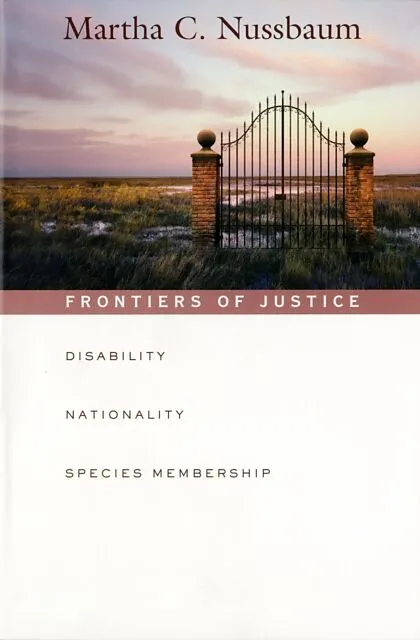

Frontiers of Justice
Beschreibung
Informationen zum Autor Martha C. Nussbaum is Ernst Freund Distinguished Service Professor of Law and Ethics! Department of Philosophy! Law School! and Divinity School! The University of Chicago. Klappentext purposes of political cooperation and the nature of ...Format auswählen
- Kartonierter EinbandCHF 35.90

Wird oft zusammen gekauft
Andere Kunden kauften auch
Beschreibung
Informationen zum Autor Martha C. Nussbaum is Ernst Freund Distinguished Service Professor of Law and Ethics! Department of Philosophy! Law School! and Divinity School! The University of Chicago. Klappentext purposes of political cooperation and the nature of political principles--and to look to a future of greater justice for all. Zusammenfassung Taking up three urgent problems of social justice-those with physical and mental disabilities! all citizens of the world! and nonhuman animals-neglected by current theories and thus harder to tackle in practical terms! Martha Nussbaum seeks a theory of social justice that can guide us to a richer! more responsive approach to social cooperation. Inhaltsverzeichnis * Abbreviations * Introduction *1. Social Contracts and Three Unsolved Problems of Justice * i. The State of Nature * ii. Three Unsolved Problems * iii. Rawls and the Unsolved Problems * iv. Free! Equal! and Independent * v. Grotius! Hobbes! Locke! Hume! Kant * vi. Three Forms of Contemporary Contractarianism * vii. The Capabilities Approach * viii. Capabilities and Contractarianism * ix. In Search of Global Justice *2. Disabilities and the Social Contract * i. Needs for Care! Problems of Justice * ii. Prudential and Moral Versions of the Contract; Public and Private * iii. Rawls's Kantian Contractarianism: Primary Goods! Kantian Personhood! Rough Equality! Mutual Advantage * iv. Postponing the Question of Disability * v. Kantian Personhood and Mental Impairment * vi. Care and Disability: Kittay and Sen * vii. Reconstructing Contractarianism? *3. Capabilities and Disabilities * i. The Capabilities Approach: A Noncontractarian Account of Care * ii. The Bases of Social Cooperation * iii. Dignity: Aristotelian! not Kantian * iv. The Priority of the Good! the Role of Agreement * v. Why Capabilities? * vi. Care and the Capabilities List * vii. Capability or Functioning? * viii. The Charge of Intuitionism * ix. The Capabilities Approach and Rawls's Principles of Justice * x. Types and Levels of Dignity: The Species Norm * xi. Public Policy: The Question of Guardianship * xii. Public Policy: Education and Inclusion * xiii. Public Policy: The Work of Care * xiv. Liberalism and Human Capabilities *4. Mutual Advantage and Global Inequality: The Transnational Social Contract * i. A World of Inequalities * ii. A Theory of Justice: The Two-Stage Contract Introduced * iii. The Law of Peoples: The Two-Stage Contract Reaffirmed and Modified * iv. Justification and Implementation * v. Assessing the Two-Stage Contract * vi. The Global Contract: Beitz and Pogge * vii. Prospects for an International Contractrarianism *5. Capabilities across National Boundaries * i. Social Cooperation: The Priority of Entitlements * ii. Why Capabilities? * iii. Capabilities and Rights * iv. Equality and Adequacy * v. Pluralism and Toleration * vi. An International "Overlapping Consensus"? * vii. Globalizing the Capabilities Approach: The Role of Institutions * viii. Globalizing the Capabilities Approach: What Institutions? * ix. Ten Principles for the Global Structure *6. Beyond "Compassion and Humanity": Justice for Nonhuman Animals * i. "Beings Entitled to Dignified Existence" * ii. Kantian Social-Contract Views: Indirect Duties! Duties of Compassion * iii. Utilitarianism and Animal Flourishing * iv. Types of Dignity! Types of Flourishing: Extending the Capabilities Approach * v. Methodology: Theory and Imagination * vi. Species and Individual * vii. Evaluating Animal Capabilities: No Nature Worship * viii. Positive and Negative! Capability and Functioning * ix. Equality and Adequacy ...
Autorentext
Martha C. Nussbaum
Klappentext
purposes of political cooperation and the nature of political principles--and to look to a future of greater justice for all.
Zusammenfassung
Taking up three urgent problems of social justicethose with physical and mental disabilities, all citizens of the world, and nonhuman animalsneglected by current theories and thus harder to tackle in practical terms, Martha Nussbaum seeks a theory of social justice that can guide us to a richer, more responsive approach to social cooperation.
Inhalt
Abbreviations Introduction 1. Social Contracts and Three Unsolved Problems of Justice i. The State of Nature ii. Three Unsolved Problems iii. Rawls and the Unsolved Problems iv. Free, Equal, and Independent v. Grotius, Hobbes, Locke, Hume, Kant vi. Three Forms of Contemporary Contractarianism vii. The Capabilities Approach viii. Capabilities and Contractarianism ix. In Search of Global Justice 2. Disabilities and the Social Contract i. Needs for Care, Problems of Justice ii. Prudential and Moral Versions of the Contract; Public and Private iii. Rawls's Kantian Contractarianism: Primary Goods, Kantian Personhood, Rough Equality, Mutual Advantage iv. Postponing the Question of Disability v. Kantian Personhood and Mental Impairment vi. Care and Disability: Kittay and Sen vii. Reconstructing Contractarianism? 3. Capabilities and Disabilities i. The Capabilities Approach: A Noncontractarian Account of Care ii. The Bases of Social Cooperation iii. Dignity: Aristotelian, not Kantian iv. The Priority of the Good, the Role of Agreement v. Why Capabilities? vi. Care and the Capabilities List vii. Capability or Functioning? viii. The Charge of Intuitionism ix. The Capabilities Approach and Rawls's Principles of Justice x. Types and Levels of Dignity: The Species Norm xi. Public Policy: The Question of Guardianship xii. Public Policy: Education and Inclusion xiii. Public Policy: The Work of Care xiv. Liberalism and Human Capabilities 4. Mutual Advantage and Global Inequality: The Transnational Social Contract i. A World of Inequalities ii. A Theory of Justice: The Two-Stage Contract Introduced iii. The Law of Peoples: The Two-Stage Contract Reaffirmed and Modified iv. Justification and Implementation v. Assessing the Two-Stage Contract vi. The Global Contract: Beitz and Pogge vii. Prospects for an International Contractrarianism 5. Capabilities across National Boundaries i. Social Cooperation: The Priority of Entitlements ii. Why Capabilities? iii. Capabilities and Rights iv. Equality and Adequacy v. Pluralism and Toleration vi. An International "Overlapping Consensus"? vii. Globalizing the Capabilities Approach: The Role of Institutions viii. Globalizing the Capabilities Approach: What Institutions? ix. Ten Principles for the Global Structure 6. Beyond "Compassion and Humanity": Justice for Nonhuman Animals i. "Beings Entitled to Dignified Existence" ii. Kantian Social-Contract Views: Indirect Duties, Duties of Compassion iii. Utilitarianism and Animal Flourishing iv. Types of Dignity, Types of Flourishing: Extending the Capabilities Approach v. Methodology: Theory and Imagination vi. Species and Individual vii. Evaluating Animal Capabilities: No Nature Worship viii. Positive and Negative, Capability and Functioning ix. Equality and Adequacy x. Death and Harm xi. An Overlapping Consensus? xii. Toward Basic Political Principles: The Capabilities List xiii. The Ineliminability of Conflict xiv. Toward a Truly Global Justice 7. The Moral Sentiments and the Capabilities Approach Notes References Index