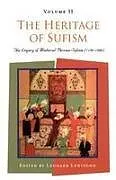
The Heritage of Sufism
Beschreibung
Informationen zum Autor Leonard Lewisohn was Research Associate in Esoteric Traditions in Islam in the Department of Academic Research of the Institute of Ismaili Studies, London. He was the author, editor, and translator of many leading books and articles in ...Format auswählen
- Kartonierter EinbandCHF 76.40

Wird oft zusammen gekauft
Andere Kunden kauften auch
Beschreibung
Informationen zum Autor Leonard Lewisohn was Research Associate in Esoteric Traditions in Islam in the Department of Academic Research of the Institute of Ismaili Studies, London. He was the author, editor, and translator of many leading books and articles in the area of Sufism and lectured widely on the subject. Klappentext 'Persian Sufi literature occupies a unique position not only in the history of Persian but in the whole of Islamic civilization' writes Seyyed Hossein Nasr in the introduction to this scholarly study of the Sufi tradition. Featuring studies by twenty-three of the world's foremost authorities on Islamic mysticism, this collection - the second of a three-volume comprehensive study - examines the roots of the artistic, literary and cultural renaissance of Sufism from the twelfth to fifteenth centuries. It features essays on: Rumi's poetry and imagery Sufi music and the idea of ecstasy Sainthood and Neoplatonism Comparative metaphysics and literature Unity of religion theory in Sufi philosophy. Unique in its historical scope, this fascinating investigation makes a perfect guide for students and for those interested in Islamic mysticism. Zusammenfassung This collection - the second of a three-volume study - examines the roots of the artistic, literary and cultural renaissance of Sufism from the 12th to the 15th centuries. It includes essays on Rumi's poetry and imagery; Sufi music and the idea of ecstacy; sainthood and Neoplatonism; comparative metaphysics and literature; and unity of religion theory in Sufi philosophy. Inhaltsverzeichnis 1. Introduction and Historical overview 1 2. Poetics and Imagery 45 3. Between History and hagiography 87 4. Metaphysics and Ontology 203 5. Sufi practices and methodology 277 6. Comparative Religion and Symbolism 353
Autorentext
Leonard Lewisohn was Research Associate in Esoteric Traditions in Islam in the Department of Academic Research of the Institute of Ismaili Studies, London. He was the author, editor, and translator of many leading books and articles in the area of Sufism and lectured widely on the subject.
Klappentext
'Persian Sufi literature occupies a unique position not only in the history of Persian but in the whole of Islamic civilization' writes Seyyed Hossein Nasr in the introduction to this scholarly study of the Sufi tradition.
Featuring studies by twenty-three of the world's foremost authorities on Islamic mysticism, this collection - the second of a three-volume comprehensive study - examines the roots of the artistic, literary and cultural renaissance of Sufism from the twelfth to fifteenth centuries. It features essays on:
Rumi's poetry and imagery
Sufi music and the idea of ecstasy
Sainthood and Neoplatonism
Comparative metaphysics and literature
Unity of religion theory in Sufi philosophy.
Unique in its historical scope, this fascinating investigation makes a perfect guide for students and for those interested in Islamic mysticism.
Zusammenfassung
This collection - the second of a three-volume study - examines the roots of the artistic, literary and cultural renaissance of Sufism from the 12th to the 15th centuries. It includes essays on Rumi's poetry and imagery; Sufi music and the idea of ecstacy; sainthood and Neoplatonism; comparative metaphysics and literature; and unity of religion theory in Sufi philosophy.
Inhalt
Introduction and Historical overview 1
Poetics and Imagery 45
Between History and hagiography 87
Metaphysics and Ontology 203
Sufi practices and methodology 277
Comparative Religion and Symbolism 353