
IHR WARENKORB IST AKTUELL LEER.
Haben Sie noch nichts passendes gefunden? Stöbern Sie durch unser komplettes Sortiment.
Oder melden Sie sich an bzw. registrieren Sie sich.
- Kostenlose Lieferung
- Kauf auf Rechnung
- Ex Libris Tiefpreis
- Filiallieferung und 650+ Abholorte
- Rabatt-Bons als Club-Mitglied
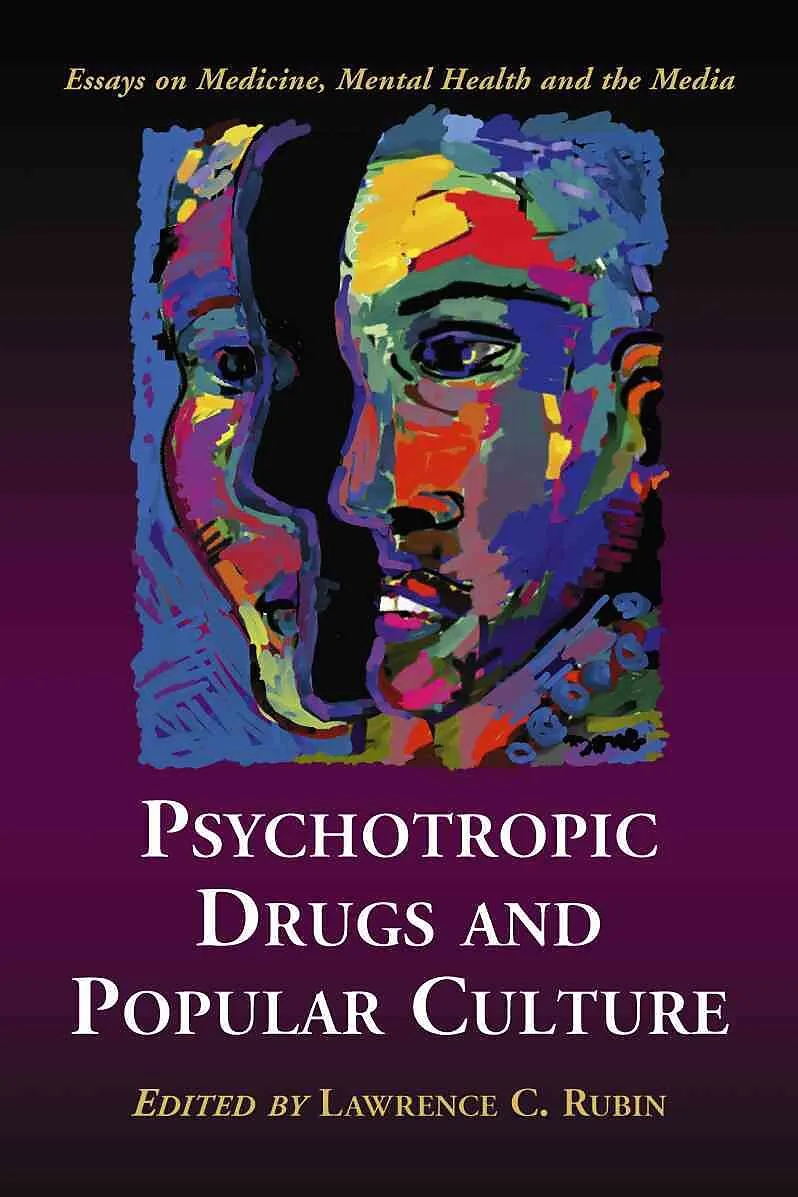
Psychotropic Drugs and Popular Culture
Beschreibung
Informationen zum Autor Lawrence C. Rubin is a professor of counselor education at St. Thomas University in Miami, Florida, and a practicing psychologist. He lives in Pompano Beach. Klappentext Psychotropic drugs--those intended to change moods, numb anxiety, ...Format auswählen
- Kartonierter EinbandCHF 57.10
Wird oft zusammen gekauft
Andere Kunden kauften auch
Beschreibung
Informationen zum Autor Lawrence C. Rubin is a professor of counselor education at St. Thomas University in Miami, Florida, and a practicing psychologist. He lives in Pompano Beach. Klappentext Psychotropic drugs--those intended to change moods, numb anxiety, calm children--are pervasive in American culture. References are everywhere: not just in print and electronic advertisements but in television show dialogue, movies, song lyrics, and on advertising paraphernalia like notepads, wall clocks, mouse pads, coffee mugs, pens and pencils. The authors in this compilation of essays on psychotropic drugs and mass culture contend that society has been transformed into an asylum without walls--a "psychotropia." With each new definition of a mental ailment, a new cure is offered, increasing the number of inmates in this borderless asylum and blurring the lines between mental health and mental illness. Eight essays probe this issue, with an introduction and conclusion by the editor. The introduction frames the topic in the dehumanized asylums brought to light in 1961 by sociologist Erving Goffman, and in author Marshall McLuhan's warning not to be seduced by the media. Essay topics cover: how psychotropia came to be; drug portrayal in Hollywood; advertising in cyberspace and the postmodern condition; the advertising madness that promotes better living through chemistry; food as medicine; the music culture of psychotropia; children and psychotropic drugs; and stereotypes and manipulation in mass marketing. Instructors considering this book for use in a course may request an examination copy here. Zusammenfassung Presents essays on psychotropic drugs and mass culture! which contend that society has been transformed into a wall-less asylum - a ""psychotropia."" With each definition of a mental ailment! a different cure is offered! increasing the number of inmates in this borderless asylum and blurring the lines between mental health and mental illness. Inhaltsverzeichnis Table of ContentsAcknowledgments Introduction 1 The Asylum: Its Construction and Deconstruction 2 Hollywood Rx 3 Cheerful Robots in Cyberspace: Prozac, Postmodernism, and Politics 4 Advertising Madness 5 Psychotropics, It's What's for Dinner! Technologies of Sex, Gender, Body, and the Mind in the Medicalization of Food 6 Rappers, Ravers, and Rock Stars: The Deviantizing Hand of Music in Psychotropia 7 From Playground to Pharmacy: Medicating Childhood 8 False Advertising: Gender Stereotypes, Corporate Manipulation, and Consumer Resistance Conclusion: Huxley's Prophecy About the Contributors Index ...
Autorentext
Lawrence C. Rubin is a professor of counselor education at St. Thomas University in Miami, Florida, and a practicing psychologist. He lives in Pompano Beach.
Klappentext
Psychotropic drugs--those intended to change moods, numb anxiety, calm children--are pervasive in American culture. References are everywhere: not just in print and electronic advertisements but in television show dialogue, movies, song lyrics, and on advertising paraphernalia like notepads, wall clocks, mouse pads, coffee mugs, pens and pencils. The authors in this compilation of essays on psychotropic drugs and mass culture contend that society has been transformed into an asylum without walls--a "psychotropia." With each new definition of a mental ailment, a new cure is offered, increasing the number of inmates in this borderless asylum and blurring the lines between mental health and mental illness. Eight essays probe this issue, with an introduction and conclusion by the editor. The introduction frames the topic in the dehumanized asylums brought to light in 1961 by sociologist Erving Goffman, and in author Marshall McLuhan's warning not to be seduced by the media. Essay topics cover: how psychotropia came to be; drug portrayal in Hollywood; advertising in cyberspace and the postmodern condition; the advertising madness that promotes better living through chemistry; food as medicine; the music culture of psychotropia; children and psychotropic drugs; and stereotypes and manipulation in mass marketing. Instructors considering this book for use in a course may request an examination copy here.
Zusammenfassung
Presents essays on psychotropic drugs and mass culture, which contend that society has been transformed into a wall-less asylum - a ""psychotropia."" With each definition of a mental ailment, a different cure is offered, increasing the number of inmates in this borderless asylum and blurring the lines between mental health and mental illness.
Inhalt
Table of Contents
Acknowledgments
Introduction
1 The Asylum: Its Construction and Deconstruction
2 Hollywood Rx
3 Cheerful Robots in Cyberspace: Prozac, Postmodernism, and Politics
4 Advertising Madness
5 Psychotropics, It's What's for Dinner! Technologies of Sex, Gender, Body, and the Mind in the Medicalization of Food
6 Rappers, Ravers, and Rock Stars: The Deviantizing Hand of Music in Psychotropia
7 From Playground to Pharmacy: Medicating Childhood
8 False Advertising: Gender Stereotypes, Corporate Manipulation, and Consumer Resistance
Conclusion: Huxley's Prophecy
About the Contributors
Index