
IHR WARENKORB IST AKTUELL LEER.
Haben Sie noch nichts passendes gefunden? Stöbern Sie durch unser komplettes Sortiment.
Oder melden Sie sich an bzw. registrieren Sie sich.
- Kostenlose Lieferung
- Kauf auf Rechnung
- Ex Libris Tiefpreis
- Filiallieferung und 650+ Abholorte
- Rabatt-Bons als Club-Mitglied
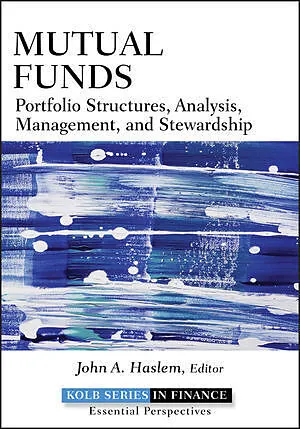
Mutual Funds
Beschreibung
Informationen zum Autor JOHN A. HASLEM, PHD, is Professor Emeritus of Finance at the University of Maryland. He also served as the founding academic affairs dean and founding chair of the finance department. Haslem received the Panhellenic Association's "Outst...Format auswählen
- Fester EinbandCHF 120.00

Wird oft zusammen gekauft
Andere Kunden kauften auch
Beschreibung
Informationen zum Autor JOHN A. HASLEM, PHD, is Professor Emeritus of Finance at the University of Maryland. He also served as the founding academic affairs dean and founding chair of the finance department. Haslem received the Panhellenic Association's "Outstanding Teacher Award" for his mutual funds course?the first in the curriculum of a school of business. His research has appeared in numerous leading finance journals, several books, and over 100 research articles with a primary focus on mutual fund analysis, regulation, and disclosure. Klappentext An authoritative, must-read guide to making more informed decisions about mutual fundsProviding a balance of theory and application, this authoritative book will enable you to evaluate the various performance and risk attributes of mutual funds. It covers a broad range of topics, including understanding the advantages and disadvantages of mutual funds, evaluating stock/bond allocations within fund portfolios, assessing fund diversification risk, measuring fund returns and risk, and making fund buy/sell decisions.While informative chapters combine clear summaries of existing research with practical guidelines for mutual fund analysis, step-by-step decision checklists guide you through the selection of various mutual funds.* Puts the risks and rewards of mutual fund investing in perspective* Skillfully examines how to select and evaluate the best mutual funds* Outlines mutual fund service advantages and disadvantages* Discusses the long- and short-term effectiveness of mutual fundsCovering major theoretical and management issues in mutual fund analysis and portfolio management, this book is an authoritative guide. Zusammenfassung An authoritative, must-read guide to making more informed decisions about mutual fundsProviding a balance of theory and application, this authoritative book will enable you to evaluate the various performance and risk attributes of mutual funds. It covers a broad range of topics, including understanding the advantages and disadvantages of mutual funds, evaluating stock/bond allocations within fund portfolios, assessing fund diversification risk, measuring fund returns and risk, and making fund buy/sell decisions.While informative chapters combine clear summaries of existing research with practical guidelines for mutual fund analysis, step-by-step decision checklists guide you through the selection of various mutual funds.* Puts the risks and rewards of mutual fund investing in perspective* Skillfully examines how to select and evaluate the best mutual funds* Outlines mutual fund service advantages and disadvantages* Discusses the long- and short-term effectiveness of mutual fundsCovering major theoretical and management issues in mutual fund analysis and portfolio management, this book is an authoritative guide. Inhaltsverzeichnis I. Mutual Funds: Nature, Regulation, and Costs. Chapter One: The Nature of Mutual Funds by (Conrad Ciccotello). Attributes of the Open-End Mutual Fund. The Board of Directors. Liquidity. All Equity Capital Structure. Portfolio Diversification. Professional Management. Investor Services. Mutual Funds and the Competitive Environment. Employer Sponsored Retirement Plans. After-Tax Accounts. References. About The Author. Chapter Two: Mutual Fund Regulation and Issues by (Conrad Ciccotello). Historical Perspective. Regulation of Open-End Funds. Recent Regulatory Issues in Open-End Funds. NAV Pricing and Trading Policies. Fund Pricing and the (Late) Trading Scandal. Current Regulatory Issues in Funds. Board Governance. Fees. Performance Reporting. References. About The Author. Chapter Three: The Economics of Mutual Funds by (David M. Smith). Size and structure of the mutual fund industry. Mutual fund creation and mortality. Scale economies: Expenses and fees. Scale Diseconomies: Fund Returns. Benefits of mut...
Autorentext
JOHN A. HASLEM, PHD, is Professor Emeritus of Finance at the University of Maryland. He also served as the founding academic affairs dean and founding chair of the finance department. Haslem received the Panhellenic Association's "Outstanding Teacher Award" for his mutual funds course?the first in the curriculum of a school of business. His research has appeared in numerous leading finance journals, several books, and over 100 research articles with a primary focus on mutual fund analysis, regulation, and disclosure.
Klappentext
An authoritative, must-read guide to making more informed decisions about mutual funds Providing a balance of theory and application, this authoritative book will enable you to evaluate the various performance and risk attributes of mutual funds. It covers a broad range of topics, including understanding the advantages and disadvantages of mutual funds, evaluating stock/bond allocations within fund portfolios, assessing fund diversification risk, measuring fund returns and risk, and making fund buy/sell decisions. While informative chapters combine clear summaries of existing research with practical guidelines for mutual fund analysis, step-by-step decision checklists guide you through the selection of various mutual funds. * Puts the risks and rewards of mutual fund investing in perspective * Skillfully examines how to select and evaluate the best mutual funds * Outlines mutual fund service advantages and disadvantages * Discusses the long- and short-term effectiveness of mutual funds Covering major theoretical and management issues in mutual fund analysis and portfolio management, this book is an authoritative guide.
Inhalt
I. Mutual Funds: Nature, Regulation, and Costs. Chapter One: The Nature of Mutual Funds by (Conrad Ciccotello). Attributes of the Open-End Mutual Fund. The Board of Directors. Liquidity. All Equity Capital Structure. Portfolio Diversification. Professional Management. Investor Services. Mutual Funds and the Competitive Environment. Employer Sponsored Retirement Plans. After-Tax Accounts. References. About The Author. Chapter Two: Mutual Fund Regulation and Issues by (Conrad Ciccotello). Historical Perspective. Regulation of Open-End Funds. Recent Regulatory Issues in Open-End Funds. NAV Pricing and Trading Policies. Fund Pricing and the (Late) Trading Scandal. Current Regulatory Issues in Funds. Board Governance. Fees. Performance Reporting. References. About The Author. Chapter Three: The Economics of Mutual Funds by (David M. Smith). Size and structure of the mutual fund industry. Mutual fund creation and mortality. Scale economies: Expenses and fees. Scale Diseconomies: Fund Returns. Benefits of mutual fund investing to fund shareholders. Diversification. Professional portfolio management. Ready access to asset classes and market sectors. Drawbacks of mutual fund investing. Persistent high fees in some families. Underperformance relative to index funds. Tax inefficiency. Inadequate disclosure. Financial barriers to mutual fund investing and redemption. Mutual fund governance and agency problems. Fund family marketing and cross-subsidization. Conclusions. References. About The Author. Chapter Four: Mutual Fund Fees and Expenses by (David M. Smith). Loads. Expenses. Management Fees. Rule 12b-1 Fees. "Other" Expenses within the Expense Ratio. The Load Versus Expense Relation. Distribution Channel. ETFs and Closed-End Mutual Funds. Taxes. Fees and Expenses Internationally. Charges Not Included in the Expense Ratio. Partitioning Actively Managed Mutual Fund Fees Based on Alpha and Beta. Separation. Conclusions. References. About The Author. II. The Realities and Analogies of Investing. Chapter Five: How Financial Markets Work by (Larry E. Swedroe). How Markets Set Prices. Point Spreads and Random Errors. Examining the Evidence. An Efficient Market. How Stock Prices Are Set. Battle of the Discount Stores. The Financial Equivalent of the Point Spread. In…