
IHR WARENKORB IST AKTUELL LEER.
Haben Sie noch nichts passendes gefunden? Stöbern Sie durch unser komplettes Sortiment.
Oder melden Sie sich an bzw. registrieren Sie sich.
- Kostenlose Lieferung
- Kauf auf Rechnung
- Ex Libris Tiefpreis
- Filiallieferung und 650+ Abholorte
- Rabatt-Bons als Club-Mitglied
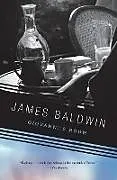
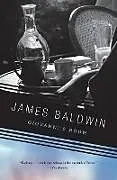
Giovanni's Room
Beschreibung
Zusatztext If Van Gogh was our 19th-century artist-saint! James Baldwin is our 20th-century one. Michael Ondaatje A young American involved with both a woman and a man. . . . Baldwin writes of these matters with unusual candor and yet with such dignity and int...Format auswählen
- Kartonierter EinbandCHF 21.90
Wird oft zusammen gekauft
Andere Kunden kauften auch
Beschreibung
Zusatztext If Van Gogh was our 19th-century artist-saint! James Baldwin is our 20th-century one. Michael Ondaatje A young American involved with both a woman and a man. . . . Baldwin writes of these matters with unusual candor and yet with such dignity and intensity. The New York Times Absorbing . . . [with] immediate emotional impact. The Washington Post Mr. Baldwin has taken a very special theme and treated it with great artistry and restraint. Saturday Review Exciting . . . a book that belongs in the top rank of fiction. The Atlantic Violent! excruciating beauty. San Francisco Chronicle To be James Baldwin is to touch on so many hidden places in Europe! America! the Negro! the white man to be forced to understand so much. Alfred Kazin This author retains a place in an extremely select group; that composed of the few genuinely indispensable American writers. Saturday Review He has not himself lost access to the sources of his being which is what makes him read and awaited by perhaps a wider range of people than any other major American writer. The Nation He is thought-provoking! tantalizing! irritating! abusing and amusing. And he uses words as the sea uses waves! to flow and beat! advance and retreat! rise and take a bow in disappearing . . . the thought becomes poetry and the poetry illuminates thought. Langston Hughes He has become one of the few writers of our time. Norman Mailer Informationen zum Autor James Baldwin Klappentext James Baldwin's groundbreaking novel whose frank exploration of sexuality and self-acceptance was decades ahead of its timenamed one of The Atlantic 's Great American Novels of the past 100 years Baldwin writes . . . with unusual candor and yet with such dignity and intensity. The New York Times In 1950s Paris, a young American expatriate finds himself caught between his repressed desires and conventional morality. David has just proposed marriage to his American girlfriend, but while she is away on a trip he becomes involved in a doomed affair with a bartender named Giovanni. With sharp, probing insight, James Baldwin's classic novel delves into the mysteries of love and tells a deeply moving story that reveals the unspoken complexities of the human heart.I stand at the window of this great house in the south of France as night falls, the night which is leading me to the most terrible morning of my life. I have a drink in my hand, there is a bottle at my elbow. I watch my reflection in the darkening gleam of the window pane. My reflection is tall, perhaps rather like an arrow, my blond hair gleams. My face is like a face you have seen many times. My ancestors conquered a continent, pushing across death-laden plains, until they came to an ocean which faced away from Europe into a darker past. I may be drunk by morning but that will not do any good. I shall take the train to Paris anyway. The train will be the same, the people, struggling for comfort and, even, dignity on the straight-backed, wooden, third-class seats will be the same, and I will be the same. We will ride through the same changing countryside northward, leaving behind the olive trees and the sea and all of the glory of the stormy southern sky, into the mist and rain of Paris. Someone will offer to share a sandwich with me, someone will offer me a sip of wine, someone will ask me for a match. People will be roaming the corridors outside, looking out of windows, looking in at us. At each stop, recruits in their baggy brown uniforms and colored hats will open the compartment door to ask Complet? We will all nod Yes, like conspirators, smiling faintly at each other as they continue through the train. Two or three of them will end up before our compartment ...
“If Van Gogh was our 19th-century artist-saint, James Baldwin is our 20th-century one.” —Michael Ondaatje
“A young American involved with both a woman and a man. . . . Baldwin writes of these matters with unusual candor and yet with such dignity and intensity.” —The New York Times
“Absorbing . . . [with] immediate emotional impact.” —The Washington Post
“Mr. Baldwin has taken a very special theme and treated it with great artistry and restraint.” —Saturday Review
“Exciting . . . a book that belongs in the top rank of fiction.” —The Atlantic
“Violent, excruciating beauty.” —San Francisco Chronicle
“To be James Baldwin is to touch on so many hidden places in Europe, America, the Negro, the white man —to be forced to understand so much.” —Alfred Kazin
“This author retains a place in an extremely select group; that composed of the few genuinely indispensable American writers.” —*Saturday Review
*“He has not himself lost access to the sources of his being —which is what makes him read and awaited by perhaps a wider range of people than any other major American writer.” —*The Nation
*“He is thought-provoking, tantalizing, irritating, abusing and amusing. And he uses words as the sea uses waves, to flow and beat, advance and retreat, rise and take a bow in disappearing . . . the thought becomes poetry and the poetry illuminates thought.” —Langston Hughes
“He has become one of the few writers of our time.” —Norman Mailer
Autorentext
James Baldwin
Klappentext
James Baldwin’s groundbreaking novel whose frank exploration of sexuality and self-acceptance was decades ahead of its time—named one of The Atlantic’s Great American Novels of the past 100 years
“Baldwin writes . . . with unusual candor and yet with such dignity and intensity.”—The New York Times
In 1950s Paris, a young American expatriate finds himself caught between his repressed desires and conventional morality. David has just proposed marriage to his American girlfriend, but while she is away on a trip he becomes involved in a doomed affair with a bartender named Giovanni. With sharp, probing insight, James Baldwin’s classic novel delves into the mysteries of love and tells a deeply moving story that reveals the unspoken complexities of the human heart.
Leseprobe
I stand at the window of this great house in the south of France as night falls, the night which is leading me to the most terrible morning of my life. I have a drink in my hand, there is a bottle at my elbow. I watch my reflection in the darkening gleam of the window pane. My reflection is tall, perhaps rather like an arrow, my blond hair gleams. My face is like a face you have seen many times. My ancestors conquered a continent, pushing across death-laden plains, until they came to an ocean which faced away from Europe into a darker past.
I may be drunk by morning but that will not do any good. I shall take the train to Paris anyway. The train will be the same, the people, struggling for comfort and, even, dignity on the straight-backed, wooden, third-class seats will be the same, and I will be the same. We will ride through the same changing countryside northward, leaving behind the olive trees and the sea and all of the glory of the stormy southern sky, into the mist and rain of Paris. Someone will offer to share a sandwich with me, someone will offer me a sip of wine, someone will ask me for a match. People will be roaming the corridors outside, looking out of windows, looking in at us. At each stop, recruits in their baggy brown uniforms and colored hats will open the compartment door to ask Complet? We will all nod Yes, like conspirators, smiling faintly at each other as they continue through the train. Two or three of them will end up befor…