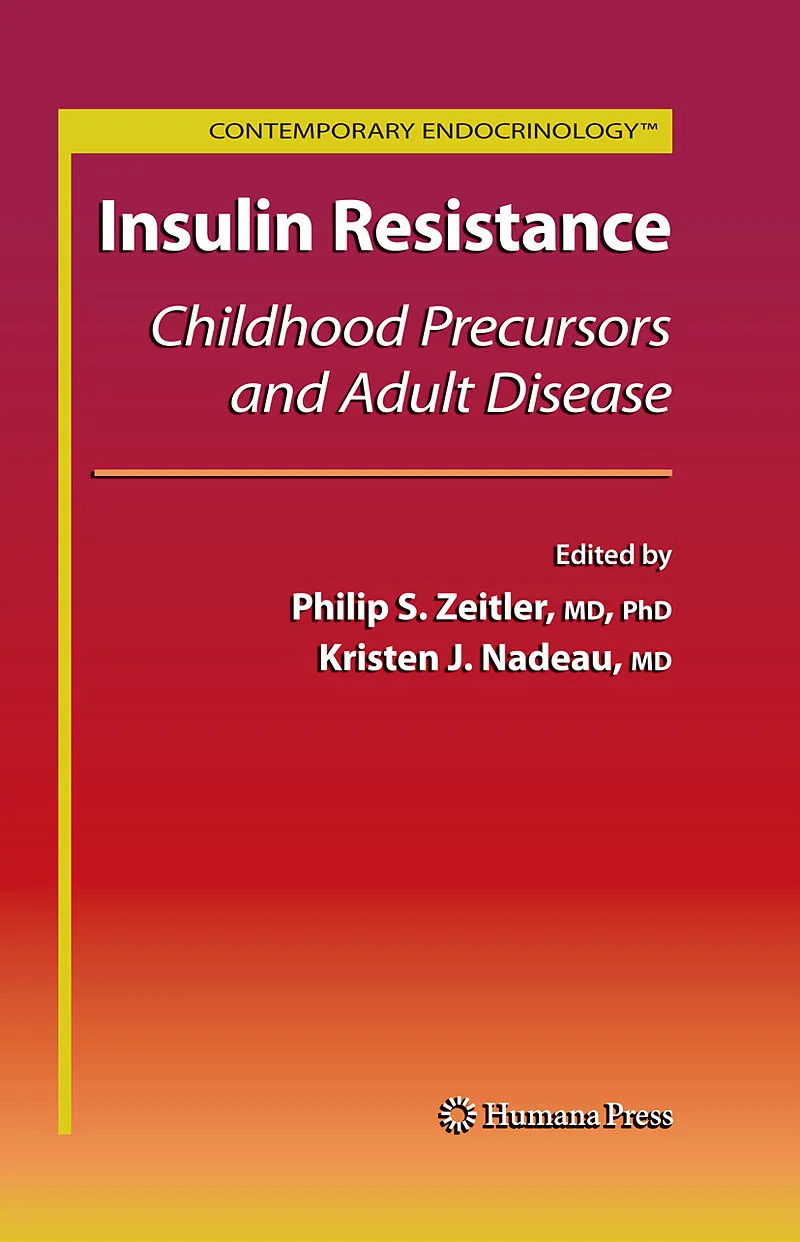
Insulin Resistance
Beschreibung
This book presents up-to-date reviews on topics related to insulin resistance and its consequences across the lifespan. The first section of the book examines epidemiology. The second part of the book explores pathophysiology. In the mid 1990s, Drs. Gerald Re...
Format auswählen

Wird oft zusammen gekauft
Andere Kunden kauften auch
Beschreibung
This book presents up-to-date reviews on topics related to insulin resistance and its consequences across the lifespan. The first section of the book examines epidemiology. The second part of the book explores pathophysiology.
In the mid 1990s, Drs. Gerald Reaven identified a constellation of clinical findings, known variously as the metabolic syndrome, syndrome X, insulin resistance s- drome or insulin resistance-related disorders, that are associated with an increased risk of heart disease and diabetes. Interest in this topic grew rapidly, culminating in the publication by this series of the book, Insulin Resistance and the Metabolic Syndrome X, edited by Drs. Reaven and Laws in 1999. Since the original publication of that now classic volume, the world's population has continued to become more obese and sedentary and the prevalence of disorders related to insulin resistance has continued to increase throughout the developed and developing world. Of great concern in the last decade is the extension of these deleterious lifestyle patterns to the pediatric population, leading to both obesity and the appearance of insulin resistance-related disorders in youth as well as adults. Today, about one in three children and adolescents in the United States is overweight or obese, and this prevalence approaches one in two among adolescents in certain minority groups. In addition, components of this cardiovascular risk constellation are now being recognized in young adults, adolescents, and even children. Youth are increasingly developing type 2 diabetes, fatty liver disease, hypertriglyceridemia, hypertension, polycystic ovarian syndrome, sleep apnea, orthopedic and psychiatric complications, as well as other complications of obesity and insulin resistance.
Over the last few years, the understanding of metabolic syndrome has advanced in a number of directions. This book provides an update on the current status of the understanding of insulin resistance and metabolic syndrome in children and adults. There is particular focus on childhood precursors of the disorder (fetal, perinatal, and childhood factors) since this is an area of great promise for prevention of future expansion of the epidemic. The book is divided into three major sections - epidemiology, pathophysiology, and intervention (both pharmacologic and lifestyle) in both adults and children.
Klappentext
The prevalence of disorders related to insulin resistance has continued to increase throughout the developed and developing world. The world's population has continued to become more obese and sedentary. Of great concern in the last decade is the extension of these deleterious lifestyle patterns to the pediatric population, leading to both obesity and the appearance of insulin resistance-related disorders in youth as well as adults. Insulin Resistance: Childhood Precursors and Adult Disease presents topics related to insulin resistance and its consequences across the lifespan. In the first section of the book examining epidemiology, the contributors review controversies over the definition of metabolic syndrome in adults and children, current knowledge regarding the epidemiology of insulin resistance in the pediatric population and the contributions of the prenatal and early childhood environment to the development of insulin resistance. The Second part of the book explores pathophysiology, with reviews of the techniques used to study insulin resistance, as well as current knowledge of the molecular and physiologic mechanisms of insulin resistance, including the contributions of adipose tissue and biochemical mediators. This section concludes with discussion of the relationship between insulin resistance and cardiovascular, endothelial, liver and gonadal disorders. The final section of the book explores the impact of exercise and weight loss medications on insulin resistance. Insulin resistance is likely to be the most important public health concern in many parts of the world in coming decades. This volume provides up-to-date reviews of these areas, providing the reader with a current perspective on issues in insulin resistance as they affect patients across the lifespan. The hope for Insulin Resistance: Childhood Precursors and Adult Disease is that it will spur continued interest in the topic on the part of clinicians and researchers, perhaps promoting new points of view and creative approaches to a daunting challenge.
Inhalt
Epidemiology The metabolic syndrome: definitions, controversies, and clinical utility. Lewis W Johnson MD, Ruth S Weinstock MD, PhD Epidemiology of the Metabolic syndrome and related disorders in children and adolescents Jennifer L Foltz MD, Stephen R Cook MD, MPH Metabolic syndrome in children and adolescents worldwide Orit Pinhas-Hamiel MD Maternal-fetal contributors to the insulin resistance syndrome in youth Dana Dabelea MD, PhD Early childhood contributions to insulin resistance David B Dunger MD, FRCP, FRCPCH, Burak Salgin, Ken K Ong MRCPCH PhD Pathophysiology Molecular Mechanisms of insulin resistance - Boris Draznin MD, PhD Techniques used to assess insulin action Michael J Pagliassotti PhD, Kyle T. Pfaffenbach MS, Tracy J. Horton Adiposity is the enemy: body composition and insulin sensitivity J Higgins PhD, William T Donahoo MD Ectopic fat deposition: adiponectin and insulin resistance in obese adolescents Anna MG Cali MD, Sonia Caprio MD Mediators of insulin resistance - Rocio Periera MD, David Maahs MD Insulin resistance and the pathogenesis of cardiovascular disease. Ramzi Ajjan MRCP, MMed.Sci, PhD, Mark T Kearn FRCP, PhD, Peter T Grant FRCP, MD Insulin Resistance and Cardiovascular disease: Cecilia C Low Wang MD The liver and insulin resistance: the important convergence of endocrinology and hepatology Charissa Y Chang, MD , Kerry Whitt MD, Zhenqi Liu MD, Stephen H Caldwell MD Polycystic Ovarian Syndrome and metabolic syndrome: Marie-Helene. Pesant MD, Jean-Patrice BaillargeonMD Treatment Effects of Exercise in Metabolic Syndrome and Diabetes: A Central Role for Insulin Sensitivity Irene E Schauer MD, PhD, Judith.G. Regensteiner PhD, Jane EB. Reusch MD Weight loss medications and the metabolic syndrome Linda Buckley MD, Daniel Bessessen MD.


