
IHR WARENKORB IST AKTUELL LEER.
Haben Sie noch nichts passendes gefunden? Stöbern Sie durch unser komplettes Sortiment.
Oder melden Sie sich an bzw. registrieren Sie sich.
- Kostenlose Lieferung
- Kauf auf Rechnung
- Ex Libris Tiefpreis
- Filiallieferung und 650+ Abholorte
- Rabatt-Bons als Club-Mitglied
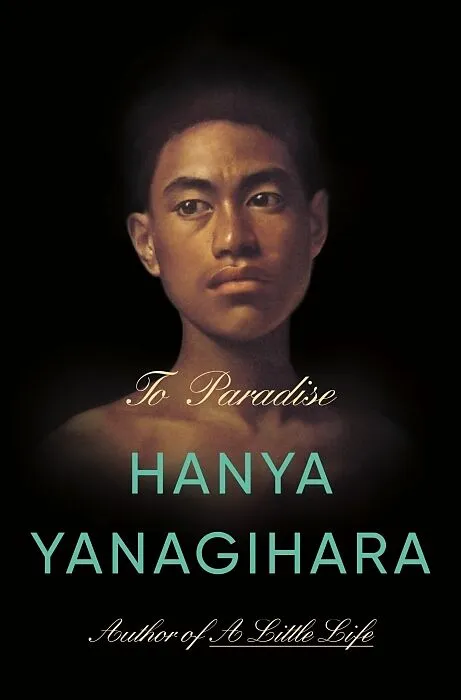
To Paradise
Beschreibung
Zusatztext #1 NEW YORK TIMES BEST SELLER RemarkableThe emotional impact of this novel is less visceral than A LITTLE LIFE but only because the author's scope is so vast and her dexterity so dazzling.TO PARADISE demonstrates the inexhaustible ingenuity of an au...Format auswählen
- Fester EinbandCHF 36.40
Wird oft zusammen gekauft
Andere Kunden kauften auch
Beschreibung
Zusatztext #1 NEW YORK TIMES BEST SELLER RemarkableThe emotional impact of this novel is less visceral than A LITTLE LIFE but only because the author's scope is so vast and her dexterity so dazzling.TO PARADISE demonstrates the inexhaustible ingenuity of an author who keeps shattering expectations.she explores the dream of freedom that lures all these characters to risk everything for a paradise they desire but can barely envision. No matter the setting past present or future TO PARADISE stems from the hypnotic confluence of Yanagihara's skills. She speaks softly, with the urgency of a whisper. She draws us into the most intimate sympathy with these characters while placing them in crises that feel irresistibly compelling. - Ron Charles, The Washington Post Sometimes literature takes time to digest momentous events... Occasionally, though, a masterpiece emerges from the white heat of the moment: T he Great Gatsby, The Decameron, The Waste Land . There's something miraculous about reading To Paradise while the coronavirus crisis is still playing out around us, the dizzying sense that you're immersed in a novel that will come to represent the age, its obsessions and anxieties. It's rare that you get the opportunity to review a masterpiece, but To Paradise , definitively, is one. - The Observer (London) We are given a patriarch, wealth, children; there is an arranged marriage, an inheritance, a true love, a class divide and a significant twist. Deftly paced and judiciously detailed, the tale makes hay with the conventions of the 19th-century novel. But that's not all. With breathtaking audacity Yanagihara rewrites America.Yanagihara masterfully repurposes themes, situations and motifsThis ambitious novel tackles major American questions and answers them in an original, engrossing way. It has a major feel. But it is finally in [its] minor moments that Yanagihara shows greatness. - Gish Jen, The New York Times Book Review (cover review) "To Paradise" is a novel of the highest order. Yanagihara writes with elegance, evoking emotion and rendering believable characters who move the plot. Her perceptive eye is evident in the three separate settings, placing the reader in each time frame through multiple narratives, which she orchestrates with great acuity. Themes of love and belonging reign in Book I and Book II. In Book III, fear trumps love for a mimesis of reality, hitting close to home for all of us right now." - Wayne Catan , USA Today Hanya Yanagihara's critically-acclaimed A Little Life was an intimate, close-up portrait of four men and their love, shame, and existential loneliness. Her new book, To Paradise, is a sprawling, yet similarly intimate epic that is also focused on love, shame, and existential loneliness. Other than these shared themes (and heft), the two books have little in common besides Yanagihara's masterful, transfixing writing, and her ability to plumb the depths of her characters at their most despicable and at their most tender. On the surface, what ties the three books together are the repetition of character names (David, Charles, Edward, etc.) and the house on Washington Square Park that appears in each book in one iteration or another. But there are deeper, more ineffable ties, in the form of moral and political questions: What does it mean to be free? What does it mean to be protected? Does the latter preclude the possibility of the former? Are gilded cages any less restrictive for being gilded? To Paradise doesn't definitively answer these questions, but revels in ambivalence rather than moral absolutes, making it a rich, emotional, and thought-provoking read. - Boston Globe "Tour de forceYanagihara changes the novel landscape: What is different, we accept; what is famil...
#1 NEW YORK TIMES BEST SELLER
“Remarkable…The emotional impact of this novel is less visceral than A LITTLE LIFE but only because the author’s scope is so vast and her dexterity so dazzling….TO PARADISE demonstrates the inexhaustible ingenuity of an author who keeps shattering expectations….she explores the dream of freedom that lures all these characters to risk everything for a paradise they desire but can barely envision. No matter the setting – past present or future – TO PARADISE stems from the hypnotic confluence of Yanagihara’s skills. She speaks softly, with the urgency of a whisper. She draws us into the most intimate sympathy with these characters while placing them in crises that feel irresistibly compelling.”
- Ron Charles, The Washington Post
“Sometimes literature takes time to digest momentous events... Occasionally, though, a masterpiece emerges from the white heat of the moment: The Great Gatsby, The Decameron, The Waste Land. There's something miraculous about reading To Paradise while the coronavirus crisis is still playing out around us, the dizzying sense that you're immersed in a novel that will come to represent the age, its obsessions and anxieties. It's rare that you get the opportunity to review a masterpiece, but To Paradise, definitively, is one.”
- The Observer (London)
“We are given a patriarch, wealth, children; there is an arranged marriage, an inheritance, a true love, a class divide and a significant twist. Deftly paced and judiciously detailed, the tale makes hay with the conventions of the 19th-century novel. But that’s not all. With breathtaking audacity Yanagihara rewrites America….Yanagihara masterfully repurposes themes, situations and motifs…This ambitious novel tackles major American questions and answers them in an original, engrossing way. It has a major feel. But it is finally in [its] minor moments that Yanagihara shows greatness.”
- Gish Jen, The New York Times Book Review **(cover review)
"To Paradise" is a novel of the highest order. Yanagihara writes with elegance, evoking emotion and rendering believable characters who move the plot. Her perceptive eye is evident in the three separate settings, placing the reader in each time frame through multiple narratives, which she orchestrates with great acuity. Themes of love and belonging reign in Book I and Book II. In Book III, fear trumps love for a mimesis of reality, hitting close to home for all of us right now."
- Wayne Catan*, USA Today
*
“Hanya Yanagihara’s critically-acclaimed “A Little Life” was an intimate, close-up portrait of four men and their love, shame, and existential loneliness. Her new book, “To Paradise,” is a sprawling, yet similarly intimate epic that is also focused on love, shame, and existential loneliness. Other than these shared themes (and heft), the two books have little in common besides Yanagihara’s masterful, transfixing writing, and her ability to plumb the depths of her characters at their most despicable and at their most tender. On the surface, what ties the three books together are the repetition of character names (David, Charles, Edward, etc.) and the house on Washington Square Park that appears in each book in one iteration or another. But there are deeper, more ineffable ties, in the form of moral and political questions: What does it mean to be free? What does it mean to be protected? Does the latter preclude the possibility of the former? Are gilded cages any less restrictive for being gilded? “To Paradise” doesn’t definitively answer these questions, but revels in ambivalence rather than moral absolutes, making it a rich, emotional, and thought-provoking read.”
- **Boston Globe
**"Tour de force…Yanagihara changes the novel landscape: What is different, we accept; what is familiar, we recognize. To Paradise resonates because of its exploration of human relationships and the dismantling of preconceived…