Beschreibung
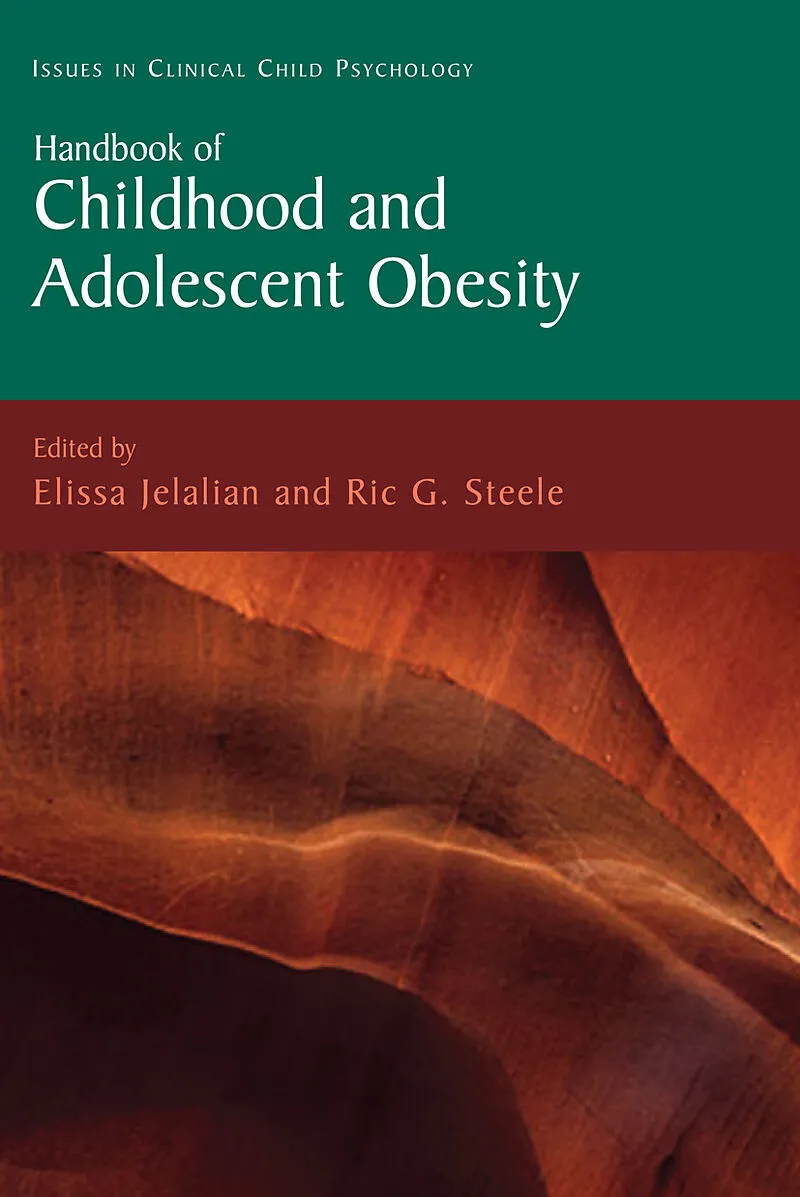
This comprehensive, easy-to-access volume lays bare the scope of the growing problem of childhood and adolescent obesity. It also examines the impact of the epidemic in terms of its psychological burden, its health consequences, and the available prevention an...This comprehensive, easy-to-access volume lays bare the scope of the growing problem of childhood and adolescent obesity. It also examines the impact of the epidemic in terms of its psychological burden, its health consequences, and the available prevention and treatment options.
Now, in one comprehensive, easy-to-access volume, this essential handbook lays bare the scope of the growing problem of childhood and adolescent obesity. It goes further, too, examining the impact of the epidemic in terms of its psychological burden, its health consequences, and the available prevention and treatment options. Editors Jelalian and Steele have ensured that the chapters utilize the most up-to-date empirical and clinical knowledge available. This volume provides readers not only raw data, but also a framework for translating findings into effective, efficient practice assessment, treatment, and prevention. The text emphasizes developmental considerations the specific information most relevant to toddlers, school-age children, and adolescents. It also examines sociocultural and economic risk factors and their attendant treatment issues, and addresses the particular challenges of treating overweight children with psychiatric comorbidities. In sum, it will be requiredreading for a host of professionals, from psychologists to social workers and medical practitioners.
Comprehensive coverage of component behaviors including physical activity and diet Developmental framework, with chapters giving separate attention to issues unique to children and adolescents Comprehensive attention to prevention, intervention, and potential policy recommendations to inform the management of pediatric obesity
Autorentext
Elissa Jelalian, Ph.D. is an associate professor of Psychiatry and Human Behavior at Brown Medical School. She received her PhD in clinical psychology from Miami University of Ohio and completed an internship in child psychology at the University of Rochester Medical School. She subsequently pursued a postdoctoral fellowship in pediatric psychology at Rhode Island Hospital and Brown Medical School, where she remained in a faculty position. Dr. Jelalian is the recipient of grants from NHLBI and NIDDK evaluating weight control interventions for overweight adolescents. She has published in the areas of pediatric weight control, risk-taking and injury in adolescents, and nutrition in children with cystic fibrosis. Dr. Jelalian serves on the editorial board of the Journal of Pediatric Psychology.
Ric G. Steele, Ph.D., ABPP, is an Associate Professor of Psychology and Applied Behavioral Science at the University of Kansas, in the Clinical Child Psychology Program. He earned his doctorate from the University of Georgia in clinical psychology, with a specialization in clinical child psychology, completed a clinical internship at the University of Tennessee (Memphis) Professional Psychology Internship Consortium, and completed a Post-Doctoral Fellowship at the St. Jude Children's Research Hospital (Memphis, TN). Dr. Steele is an associate editor for the Journal of Child and Family*Studies , and is on the editorial boards of the Journal of Clinical Child and Adolescent Psychology , the Journal of Pediatric Psychology, and Professional Psychology: Research and Practice . He has published more than 45 peer-reviewed articles on topics in clinical child and pediatric psychology, and has recently co-edited the Handbook of Mental Health Services for Children, Adolescents, and Families and the Handbook of Evidence Based Therapies for Children and Adolescents.* Dr. Steele's federally-funded research is concerned with evaluation of family-based approaches to child and adolescent weight management.
Inhalt
Prevalence, Correlates, And Consequences.- Pediatric Obesity: Trends and Epidemiology.- Health Consequences of Obesity in Children and Adolescents.- Psychosocial Factors Related to Obesity in Children and Adolescents.- Binge Eating Among Children and Adolescents.- Assessment Of Pediatric Obesity And Contributing Conditions.- The Definition and Assessment of Childhood Overweight: A Developmental Perspective.- Diet Assessment in Children and Adolescents.- Development of Eating Patterns.- Risk Factors For Obesity In Children And Youth.- Physiological Mechanisms Impacting Weight Regulation.- Socioeconomic Factors Related to Obesity in Children and Adolescents.- The Obesogenic Environment.- Application of Genetic Epidemiology to Understanding Pediatric Obesity.- Interventions.- Developmental Considerations in the Prevention of Pediatric Obesity.- Evidence-Based Treatments for Childhood Obesity.- Empirically Supported Treatment of Overweight Adolescents.- Intensive Therapies for the Treatment of Pediatric Obesity.- Residential Treatment Programs for Pediatric Obesity.- Model Treatment Programs.- Cultural Considerations in the Development of Pediatric Weight Management Interventions.- Prevention of Pediatric Obesity.- Prevention of Childhood Obesity in Childcare Settings.- Obesity Prevention Programs for School-aged Children and Adolescents.- Preventing Childhood Obesity through Collaborative Public Health Action in Communities.- Future Directions.- The Role of Public Policy in Addressing the Pediatric Obesity Epidemic.- Application of Innovative Technologies in the Prevention and Treatment of Overweight in Children and Adolescents.- Motivational Interviewing and Pediatric Obesity.- Treatment of Children and Adolescents with Obesity and Comorbid Psychiatric Conditions.- Application of Empirically Supported Treatments to Clinical Settings.- Future Directions in Pediatric Obesity Prevention and Intervention: Research and Practice.
Tief- preis